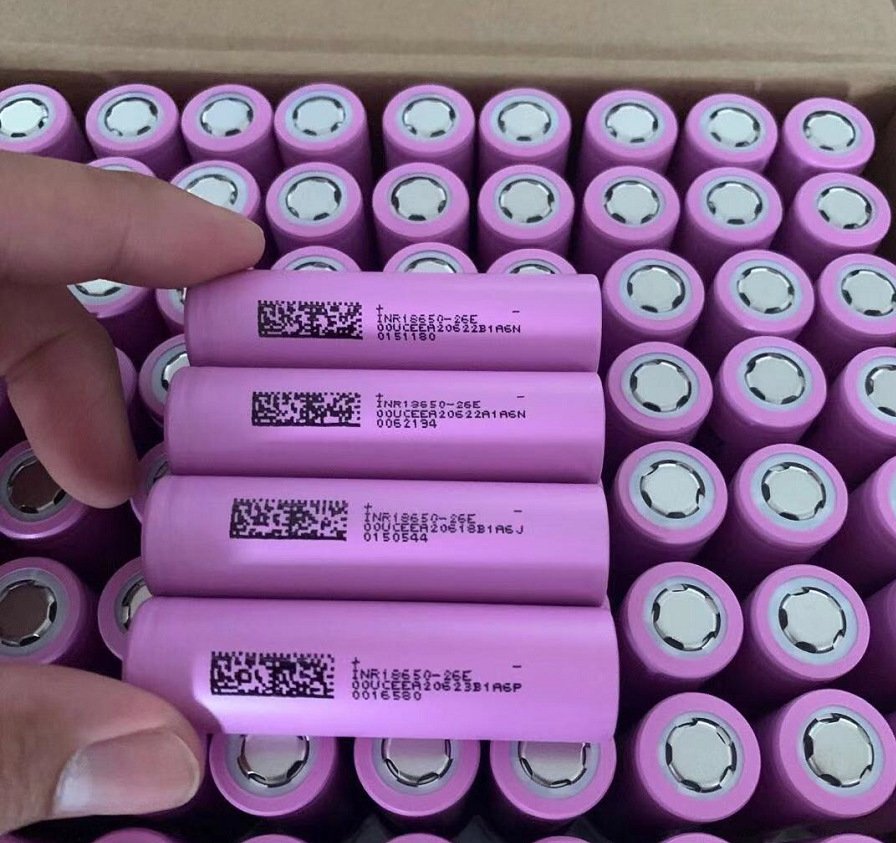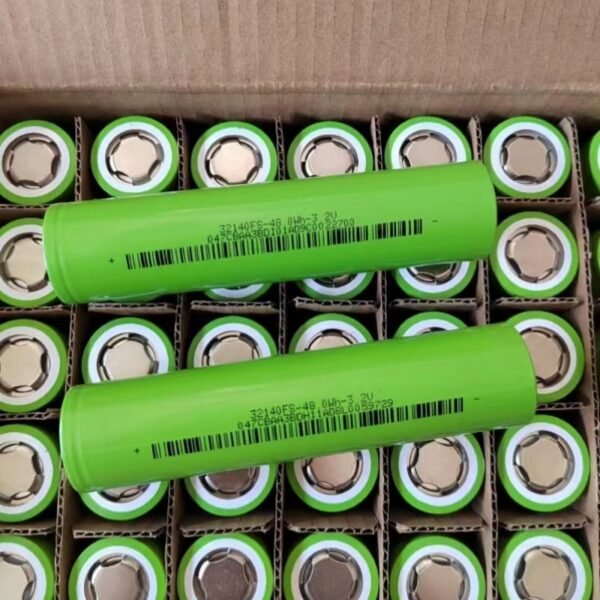
Ultimate Guide to 18650 LFP Cells for Solar Storage 2026 – Complete UN38.3 UL CE Certified Focus
As the global renewable energy market accelerates toward 2026, lithium iron phosphate (LFP) 18650 cells have emerged as the cornerstone solution for commercial and residential solar energy storage systems. For B2B buyers, system integrators, and distributors across North America, Europe, and Australia, understanding certification compliance, technical specifications, and supply chain reliability is critical for making informed procurement decisions.
Why 18650 LFP Cells Dominate Solar Storage in 2026
The 18650 cylindrical form factor offers exceptional thermal stability, extended cycle life exceeding 3,000-5,000 charges, and superior safety characteristics compared to NMC alternatives. LFP chemistry eliminates cobalt dependency, reducing both cost volatility and ethical supply chain concerns. For solar applications requiring daily cycling and long-term reliability, 18650 LFP cells deliver optimal performance at competitive price points.
Key technical advantages include:
- Operating Temperature Range: -20°C to 60°C with minimal degradation
- Nominal Voltage: 3.2V per cell with stable discharge curves
- Energy Density: 90-120 Wh/kg, balancing capacity and safety
- Self-Discharge Rate: Less than 3% monthly, ideal for seasonal storage
Critical Certifications: UN38.3, UL, and CE Compliance
International shipping and market access demand rigorous certification adherence. UN38.3 certification ensures safe transportation of lithium batteries across air, sea, and ground freight—mandatory for all cross-border shipments. UL 1642/1973 standards validate cell safety under abuse conditions including overcharge, short circuit, and thermal exposure. CE marking confirms compliance with European Union electromagnetic compatibility and low voltage directives.
Buyers should request complete test reports from manufacturers before finalizing orders. Reputable battery manufacturers in China maintain in-house testing laboratories and provide full documentation packages including MSDS, transportation declarations, and certification copies.
Technical Selection Criteria for B2B Procurement
When evaluating 18650 LFP cells for solar projects, consider these essential parameters:
Capacity Consistency: Cell-to-cell capacity variation should remain below 3% for optimal pack performance. Request batch testing data showing capacity distribution across production lots.
Internal Resistance: Lower IR values (typically 30-50mΩ) reduce heat generation during high-current charging from solar inverters. Consistent IR matching prevents cell imbalance over extended cycling.
Cycle Life Verification: Demand accelerated aging test reports demonstrating capacity retention after 2,000+ cycles at 80% depth of discharge. Real-world solar applications rarely exceed 1-2 cycles daily, extending practical lifespan beyond 10 years.
BMS Compatibility: Ensure cells integrate seamlessly with common battery management systems supporting passive or active balancing. Communication protocols including CAN, RS485, and Bluetooth enable remote monitoring for commercial installations.
Regional Market Considerations and Geo SEO Insights
Solar storage demand varies significantly by region. North American buyers prioritize UL certification and domestic warehousing options for faster deployment. European purchasers require CE compliance and GDPR-compliant documentation. Australian and Southeast Asian markets emphasize high-temperature performance and humidity resistance for tropical installations.
Working with established suppliers reduces lead times and ensures consistent quality across large-volume orders. Professional manufacturers offer customized packaging, private labeling, and technical support throughout project implementation. Explore comprehensive cylindrical battery cell options designed specifically for renewable energy applications.
Supply Chain Reliability and Quality Assurance
Post-pandemic supply chain disruptions highlighted the importance of diversified sourcing. Leading manufacturers maintain multiple production lines with automated quality control systems including X-ray inspection, OCV testing, and capacity grading. Traceability systems track each cell from raw material sourcing through final packaging, enabling rapid response to any quality concerns.
For project developers managing multi-megawatt installations, consistent cell performance across batches prevents system imbalances and warranty complications. Request factory audit reports and third-party inspection certificates before committing to long-term supply agreements.
Conclusion: Making Informed 18650 LFP Procurement Decisions
The 2026 solar storage market demands certified, reliable, and technically sound 18650 LFP cells from trusted manufacturing partners. Prioritize suppliers offering complete UN38.3, UL, and CE documentation alongside transparent technical specifications and responsive customer support.
For detailed product specifications, certification documentation, or customized quotation requests, contact our professional sales team through our contact page. We support B2B clients worldwide with competitive pricing, flexible MOQ options, and comprehensive after-sales technical assistance for solar energy storage projects.
Investing in properly certified 18650 LFP cells today ensures your solar storage systems deliver reliable performance throughout their operational lifetime while maintaining full regulatory compliance across international markets.