Best 32800 Li-ion Lithium Cells for Medical Devices: Minimal Low Temperature B2B Export Certified
In the rapidly evolving landscape of medical device manufacturing, selecting the right power source is critical for ensuring device reliability, patient safety, and regulatory compliance. Among various battery configurations, the 32800 cylindrical Li-ion cell has emerged as a preferred choice for portable and stationary medical equipment. This article explores why 32800 lithium cells excel in medical applications, with particular focus on low-temperature performance and essential B2B export certifications.
Why 32800 Li-ion Cells for Medical Devices?
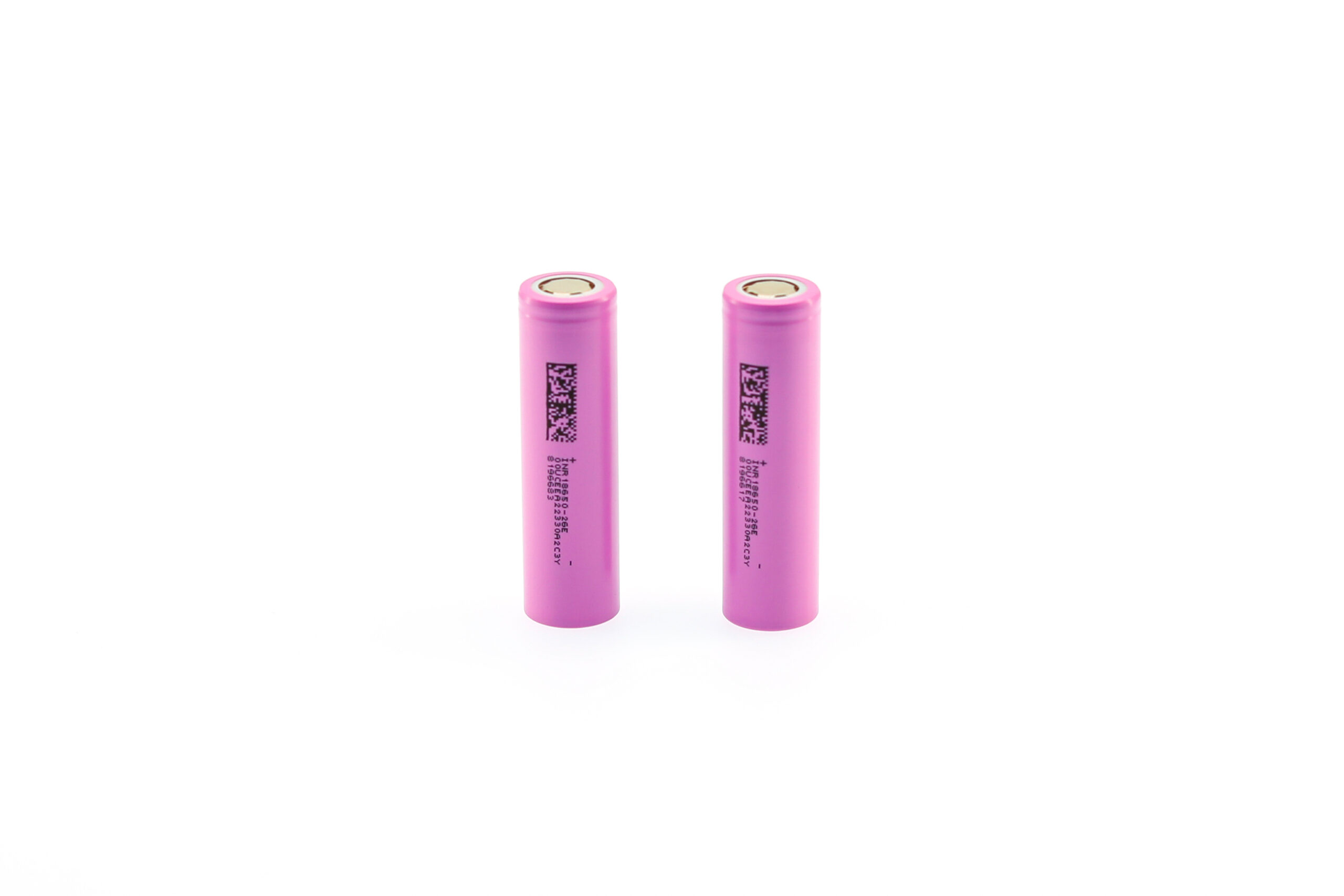
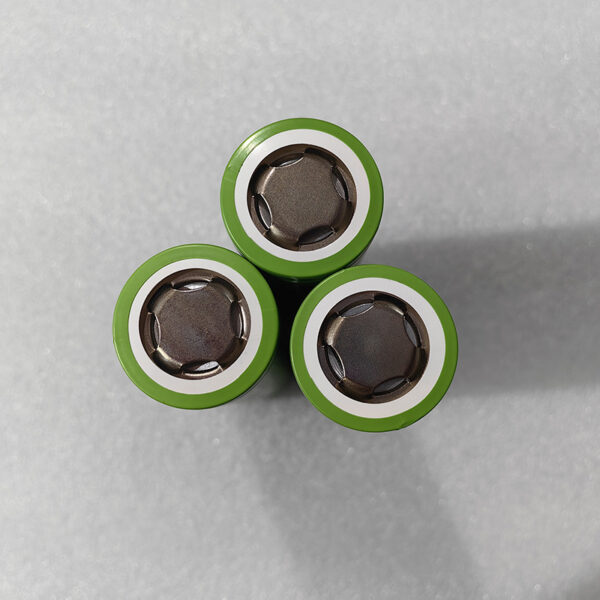
The 32800 designation refers to a cylindrical battery cell with 32mm diameter and 80mm length. This form factor offers an optimal balance between energy density and thermal management—two critical factors for medical devices that must operate continuously under varying environmental conditions.
Key Technical Advantages:
- High Capacity: Typical 32800 cells deliver 6000-10000mAh capacity, supporting extended operation cycles for critical medical equipment
- Stable Discharge Profile: Lithium-ion chemistry ensures consistent voltage output throughout discharge, crucial for precision medical instruments
- Enhanced Safety: Cylindrical design provides superior mechanical strength and thermal dissipation compared to pouch or prismatic alternatives
For medical device engineers evaluating battery options, understanding these specifications is essential. Explore our comprehensive range of cylindrical battery cells designed for demanding applications.
Low Temperature Performance: A Critical Requirement
Medical devices often operate in challenging environments—from ambulance transport in winter conditions to storage facilities with limited climate control. Standard Li-ion cells experience significant capacity loss below 0°C, with some losing over 50% of rated capacity at -20°C.
Premium 32800 cells for medical applications feature:
- Specialized Electrolyte Formulations: Low-viscosity electrolytes maintain ion mobility at temperatures down to -40°C
- Optimized Anode Materials: Modified graphite structures reduce lithium plating risks during cold-temperature charging
- Enhanced BMS Integration: Smart battery management systems prevent charging below safe temperature thresholds
For medical device manufacturers requiring reliable cold-weather performance, selecting cells with verified low-temperature specifications is non-negotiable. Devices such as portable defibrillators, infusion pumps, and patient monitoring systems cannot afford power failures due to temperature-related degradation.
Essential B2B Export Certifications
When sourcing 32800 Li-ion cells for medical device production, verifying export certifications is paramount for international distribution. Medical devices face stringent regulatory requirements across different markets, and battery certification forms a foundational compliance layer.
UN38.3 Transportation Certification
UN38.3 represents the mandatory international standard for lithium battery transportation safety. This certification includes eight critical tests:
- T.1 Altitude Simulation: Verifies cell integrity under low-pressure conditions during air freight
- T.2 Thermal Testing: Evaluates performance across extreme temperature cycles (-55°C to +75°C)
- T.3 Vibration & T.4 Shock: Ensures mechanical stability during transport
- T.5 External Short Circuit: Confirms safety under fault conditions
- T.6 Impact, T.7 Overcharge, T.8 Forced Discharge: Additional safety validations
Without valid UN38.3 documentation, customs authorities may reject battery shipments, causing significant supply chain disruptions for medical device manufacturers.
IEC 62133 Safety Standard
IEC 62133 specifies safety requirements for portable sealed secondary cells used in medical equipment. This standard addresses:
- Electrical abuse conditions (overcharge, forced discharge, external short circuit)
- Mechanical abuse (crushing, impact, vibration)
- Environmental stress (temperature cycling, low-pressure exposure)
Medical device manufacturers targeting European markets must ensure battery suppliers maintain IEC 62133 compliance documentation.
Additional Medical-Grade Certifications
For comprehensive compliance, consider suppliers offering:
- ISO 13485: Quality management systems specific to medical devices
- RoHS/REACH: Environmental compliance for restricted substances
- CE Marking: European conformity for electrical safety
Selecting the Right B2B Partner
Choosing a battery manufacturer for medical device applications requires thorough due diligence. Key evaluation criteria include:
Manufacturing Capabilities: Verify production facilities maintain clean-room environments and automated quality control systems. Medical-grade cells demand consistent manufacturing processes with traceability throughout the production chain.
Technical Support: Reliable suppliers provide application engineering support, helping optimize battery integration for specific medical device requirements.
Documentation Quality: Complete certification packages should include test reports, material declarations, and traceability documentation for each production batch.
For manufacturers seeking verified battery suppliers in China, review resources at battery manufacturers in China to identify qualified partners with proven medical device experience.
Implementation Considerations
When integrating 32800 cells into medical device designs, engineers should account for:
- Thermal Management: Ensure adequate heat dissipation pathways, particularly for high-drain applications
- Cell Matching: Use cells from the same production batch to minimize capacity and impedance variations
- End-of-Life Planning: Implement battery health monitoring to predict replacement intervals before failure
Conclusion
The 32800 Li-ion cell represents an excellent power solution for medical devices requiring reliable performance across diverse operating conditions. However, successful implementation depends on selecting cells with verified low-temperature capabilities and complete export certification documentation.
Medical device manufacturers must prioritize supplier qualification, ensuring battery partners understand the unique regulatory and performance requirements of healthcare applications. By partnering with certified manufacturers and maintaining rigorous incoming quality control, companies can deliver safe, reliable medical devices to global markets.
For detailed technical specifications and certification documentation, contact qualified battery suppliers directly. Learn more about partnership opportunities at CNS Battery contact page.
This article provides general technical guidance for medical device engineers and procurement professionals. Always verify specific certification requirements with regulatory authorities in your target markets before product launch.