

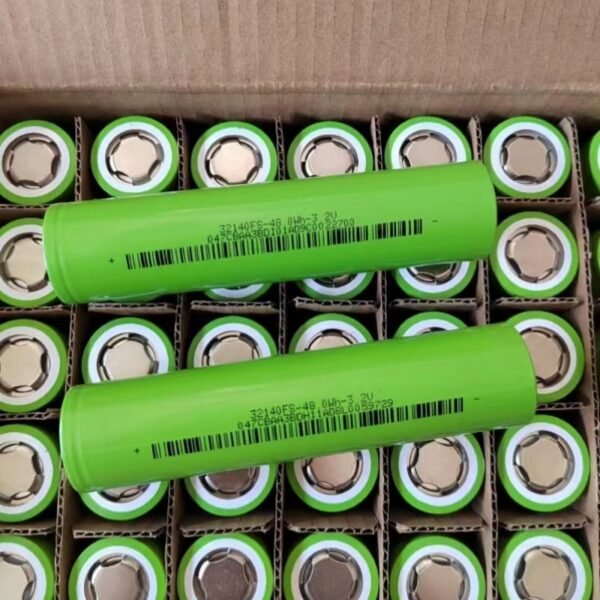
Top 5 Sustainability & Carbon Footprint Problems with 18650 Cells in Electric Motorcycle Applications & Solutions
The electric motorcycle industry is experiencing unprecedented growth, with 18650 cylindrical battery cells remaining a popular choice due to their proven reliability, standardized dimensions (18mm diameter × 65mm length), and mature manufacturing ecosystem. However, as global sustainability regulations tighten and carbon footprint scrutiny intensifies, manufacturers and procurement teams must address critical environmental challenges. This article examines the top five sustainability and carbon footprint problems associated with 18650 cells in electric motorcycle applications, paired with actionable solutions for B2B stakeholders.
Problem 1: High Carbon Emissions from Cell Manufacturing
The Challenge:
18650 cell production is energy-intensive, particularly during electrode drying, cell assembly, and formation processes. Studies indicate that battery manufacturing can account for 40-60% of a battery’s lifetime carbon emissions. For electric motorcycles using hundreds of 18650 cells per pack, the cumulative carbon footprint becomes significant.
Technical Insight:
The cathode material production (NMC/NCA or LFP) requires high-temperature calcination processes exceeding 800°C, consuming substantial electricity. In regions dependent on coal-based power grids, this amplifies carbon emissions considerably.
Solution:
- Supplier Verification: Partner with manufacturers utilizing renewable energy in production facilities. Request carbon footprint documentation aligned with ISO 14067 standards.
- Local Sourcing: Reduce transportation emissions by sourcing from regional manufacturers when possible.
- Case Reference: Leading battery manufacturers in China are increasingly transitioning to solar-powered production lines, reducing manufacturing emissions by up to 35%.
For verified low-carbon battery manufacturers, explore options at Battery Manufacturers in China.
Problem 2: Limited End-of-Life Recycling Infrastructure
The Challenge:
18650 cells contain valuable materials (lithium, cobalt, nickel), yet global recycling rates remain below 50%. Improper disposal leads to soil contamination and resource waste. Electric motorcycle operators face increasing regulatory pressure for battery take-back programs.
Technical Insight:
The cylindrical steel casing of 18650 cells complicates automated disassembly compared to prismatic or pouch cells. Manual processing increases labor costs and safety risks.
Solution:
- Design for Recycling: Specify 18650 cells with standardized labeling and easier disassembly features.
- Partner with Recyclers: Establish closed-loop agreements with certified recycling facilities before procurement.
- Compliance: Ensure adherence to EU Battery Regulation 2023 and similar frameworks requiring minimum recycled content thresholds.
- Procurement Tip: Request suppliers’ recycling program documentation and end-of-life management plans during vendor evaluation.
Problem 3: Thermal Management Inefficiency Leading to Premature Degradation
The Challenge:
Poor thermal management in 18650 packs accelerates cell degradation, shortening lifespan and increasing replacement frequency. This creates additional carbon emissions from manufacturing replacement batteries and disposing of prematurely aged cells.
Technical Insight:
18650 cells packed densely in motorcycle applications experience uneven heat distribution. Without adequate cooling, cells operating above 45°C experience accelerated SEI layer growth, reducing cycle life by 30-50%.
Solution:
- Advanced BMS Integration: Implement intelligent Battery Management Systems with individual cell monitoring and active thermal regulation.
- Phase Change Materials: Incorporate PCM-based thermal interfaces to maintain optimal operating temperatures (20-40°C).
- Case Study: Premium electric motorcycle brands now integrate liquid cooling systems with 18650 packs, extending battery lifespan to 1,500+ cycles versus 800-1,000 in air-cooled configurations.
Quality cylindrical battery cells with optimized thermal characteristics are available at Cylindrical Battery Cell Products.
Problem 4: Raw Material Sourcing and Supply Chain Transparency
The Challenge:
Cobalt and nickel sourcing for 18650 cathodes raises ethical and environmental concerns. Lack of supply chain transparency exposes manufacturers to reputational risks and potential regulatory non-compliance.
Technical Insight:
Approximately 70% of global cobalt originates from the Democratic Republic of Congo, where artisanal mining practices often lack environmental safeguards. Scope 3 emissions from raw material extraction frequently exceed direct manufacturing emissions.
Solution:
- Certified Supply Chains: Require suppliers to provide cobalt and nickel sourcing certifications (e.g., IRMA, Responsible Minerals Initiative).
- LFP Alternative: Consider Lithium Iron Phosphate (LFP) 18650 variants for applications where energy density trade-offs are acceptable, eliminating cobalt dependency.
- Audit Requirements: Include supply chain audit clauses in procurement contracts with annual third-party verification.
- Documentation: Maintain complete material traceability records for regulatory compliance and customer transparency.
Problem 5: Energy Density Limitations Requiring More Cells
The Challenge:
Standard 18650 cells (2,500-3,500 mAh) offer lower energy density compared to newer formats (21700, 4680). Electric motorcycles require more cells to achieve target range, multiplying material usage, manufacturing emissions, and end-of-life waste.
Technical Insight:
A typical electric motorcycle pack requires 150-300 individual 18650 cells. Each additional cell increases pack complexity, weight, and cumulative carbon footprint proportionally.
Solution:
- High-Capacity Variants: Specify premium 18650 cells with 3,400+ mAh capacity to reduce total cell count per pack.
- Pack Optimization: Employ advanced pack design minimizing structural materials and maximizing cell-to-pack efficiency.
- Hybrid Approach: Consider 18650 cells for specific motorcycle segments where standardization and serviceability outweigh energy density priorities.
- Lifecycle Analysis: Conduct comprehensive LCA comparing 18650 versus alternative formats for your specific application before finalizing specifications.
Procurement Best Practices for Sustainable 18650 Sourcing
For B2B buyers evaluating 18650 suppliers, prioritize the following criteria:
- Environmental Certifications: ISO 14001, ISO 50001, and carbon footprint verification
- Recycling Programs: Documented take-back and material recovery processes
- Supply Chain Transparency: Full material traceability from mine to cell
- Technical Support: BMS compatibility and thermal management guidance
- Warranty Terms: Minimum 3-year warranties indicating confidence in cell longevity
Conclusion
The 18650 cell remains viable for electric motorcycle applications when sustainability challenges are proactively addressed. By implementing the solutions outlined above, manufacturers and procurement teams can significantly reduce carbon footprints while maintaining cost-effectiveness and performance. The key lies in supplier selection, design optimization, and end-of-life planning from the outset of product development.
For further information on sustainable battery solutions and to connect with qualified manufacturers, visit our Contact Page.
This article provides general guidance for B2B stakeholders. Specific requirements may vary by region and application. Always conduct thorough due diligence before procurement decisions.


