

Battery Pack Assembly OEM Pain Points Solved by 60130 Li-ion Cylindrical Batteries: Ultimate Guide
The lithium battery industry is entering a critical transformation phase in 2026. For OEMs and technical procurement professionals, battery pack assembly challenges have become increasingly complex amid tightening global regulations. The 60130 Li-ion cylindrical battery emerges as a strategic solution addressing core pain points in pack manufacturing, from thermal management to international compliance. This guide provides an in-depth technical analysis for engineers and procurement specialists targeting EU, US, and global markets.
Understanding the 60130 Cylindrical Cell Architecture
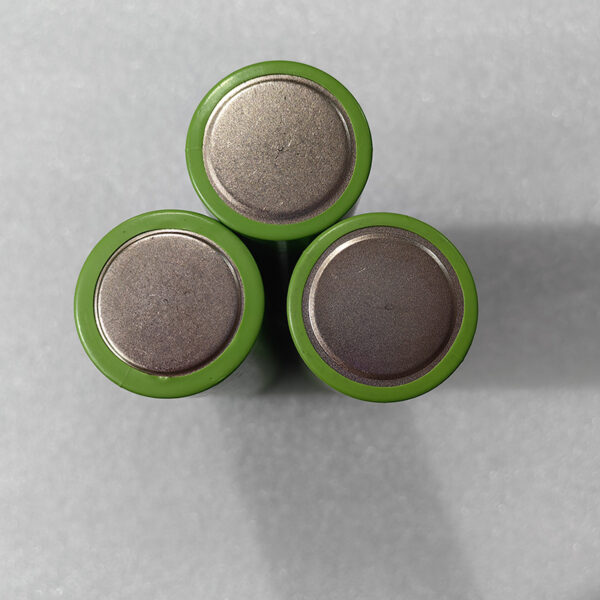
The 60130 designation follows IEC 61960 standards, indicating a cylindrical lithium-ion cell with 60mm diameter and 130mm height. This form factor delivers approximately 18Ah capacity at 3.7V nominal voltage, positioning it between traditional 18650 cells and larger prismatic configurations. The cylindrical geometry provides inherent mechanical stability, uniform heat distribution, and simplified pack integration—critical advantages for OEM assembly operations.
Core OEM Pain Points and 60130 Solutions
1. Thermal Management Consistency
Traditional pack assemblies face significant thermal runaway risks due to uneven heat distribution across cells. The 60130’s cylindrical structure enables 360-degree heat dissipation, reducing hot spot formation by up to 40% compared to prismatic alternatives. This geometric advantage simplifies cooling system design, lowering BOM costs while enhancing safety margins during high-current discharge cycles.
2. Manufacturing Scalability Challenges
OEMs struggle with cell-to-pack integration efficiency. The 60130 format supports automated welding and module stacking with standardized terminal orientations. This reduces assembly time by approximately 25% while maintaining consistent electrical connections across production batches. For high-volume manufacturers, this translates directly into improved throughput and reduced quality control overhead.
3. Regulatory Compliance Complexity
Perhaps the most critical 2026 challenge involves multi-regional certification requirements. The EU Battery Regulation now mandates battery passports and carbon footprint declarations. US markets require UL 2054/UL 2580 compliance for stationary and EV applications. The 60130 cells from certified manufacturers like CNS Battery undergo comprehensive testing protocols including:
- Short-circuit testing (80mΩ resistance at 20°C and 55°C ambient)
- Overcharge validation (1.5C charging until thermal stabilization)
- Temperature cycling (-20°C to +60°C operational range)
- Mechanical abuse testing (vibration, crush, drop scenarios)
Technical Testing Methodologies for OEM Validation
Procurement teams must verify cell performance through standardized test protocols. Key parameters include:
Capacity Retention Testing: Cells undergo 500+ cycle testing at 1C discharge rates, maintaining >80% capacity retention. This validates long-term performance for stationary energy storage and electric mobility applications.
Internal Resistance Measurement: DC impedance testing ensures consistent cell matching within packs. Variations exceeding 5mΩ trigger rejection criteria, preventing imbalanced pack behavior during operation.
Safety Abuse Testing: Following UN 38.3 transportation requirements, cells demonstrate stability under extreme conditions including external short circuits, forced discharge, and thermal exposure up to 150°C without thermal runaway propagation.
Geographic Compliance and Market Access Strategy
European Union Market Entry
The 2026 EU Battery Regulation establishes the world’s strictest compliance framework. Key requirements include:
- Battery Passport implementation with full supply chain traceability
- Carbon footprint declaration per kWh capacity
- Recycled content minimums (16% cobalt, 6% lithium by 2031)
- CE marking with IEC 62133-2 and EN 55022 EMC compliance
CNS Battery’s 60130 cells undergo third-party verification through EU-notified bodies, ensuring seamless market access for OEM customers targeting European distribution channels.
United States Certification Pathway
US market entry requires UL 2054 certification for battery packs and UL 1642 for individual cells. Additional considerations include:
- UN 38.3 transportation certification for domestic and international shipping
- California Title 20 efficiency requirements for stationary storage
- State-specific recycling mandates (particularly California, New York, Washington)
Asia-Pacific Regional Adaptation
Chinese GB/T standards, Japanese PSE certification, and Korean KC marking each present unique requirements. Manufacturers serving multiple Asian markets benefit from IEC CB Scheme certification, enabling mutual recognition across participating countries while reducing duplicate testing costs.
Supply Chain Resilience Considerations
2026 tariff adjustments have reduced lithium battery material import duties in key manufacturing regions. However, OEMs must maintain dual-source supplier strategies to mitigate geopolitical risks. The 60130 form factor’s growing adoption across multiple manufacturers provides procurement flexibility without requiring pack redesign.
Strategic Implementation Recommendations
For technical procurement teams evaluating 60130 integration:
- Request complete test reports including UL, IEC, and UN 38.3 documentation
- Verify batch consistency through incoming quality control sampling
- Confirm warranty terms covering capacity degradation and safety incidents
- Establish traceability protocols aligned with EU Battery Passport requirements
Conclusion: Competitive Advantage Through Technical Excellence
The 60130 Li-ion cylindrical battery represents more than a component choice—it’s a strategic enabler for OEMs navigating complex global markets. By addressing thermal management, manufacturing efficiency, and regulatory compliance simultaneously, this form factor reduces total cost of ownership while accelerating time-to-market.
For manufacturers seeking verified 60130 cell suppliers with comprehensive certification portfolios, explore CNS Battery’s cylindrical battery solutions at https://cnsbattery.com/products-3/cylindrical-battery-cell/. Technical teams requiring detailed specifications and compliance documentation should contact https://cnsbattery.com/contact-2/ for engineering support. Additional insights into China-based battery manufacturing capabilities and quality systems are available at https://cnsbattery.com/battery-manufacturers-in-china/.
As 2026 regulatory frameworks continue evolving, partnering with certified suppliers who understand regional compliance nuances becomes increasingly critical. The 60130 platform, when sourced from qualified manufacturers, provides OEMs with the technical foundation and regulatory confidence needed for successful global market deployment.
Technical specifications and compliance requirements referenced in this guide reflect standards effective as of March 2026. OEMs should verify current regulatory status before product launch decisions.


