Ultimate Guide to 18650 LFP Cells for Power Tools 2026 – Complete High Discharge Rate Focus
Introduction
The power tool industry continues to evolve rapidly, with lithium iron phosphate (LFP) chemistry emerging as the preferred choice for professional-grade applications. As we advance into 2026, 18650 LFP cells have established themselves as the backbone of reliable, high-performance cordless power tools. This comprehensive guide examines the critical technical specifications, discharge characteristics, and selection criteria that matter most to B2B buyers, manufacturers, and distributors globally.
Why 18650 LFP Cells Dominate Power Tool Applications
LFP chemistry offers distinct advantages over traditional NMC or NCA alternatives, particularly for demanding power tool environments. The inherent thermal stability of lithium iron phosphate provides superior safety margins during high-current discharge cycles, reducing thermal runaway risks by approximately 60% compared to cobalt-based chemistries.
For professional contractors and industrial users, cycle life remains paramount. Modern 18650 LFP cells routinely deliver 3,000-5,000 full discharge cycles while maintaining 80% capacity retention. This translates to significantly lower total cost of ownership across the product lifecycle, a critical consideration for fleet managers and procurement specialists.
High Discharge Rate Technical Specifications
Understanding discharge rate capabilities requires careful examination of several interconnected parameters. Continuous discharge current ratings for power tool-grade 18650 LFP cells typically range from 15A to 30A, with pulse discharge capabilities reaching 40-50A for brief intervals during peak load conditions.
The C-rate designation remains the industry standard for expressing discharge capability. A 2500mAh cell rated at 10C can theoretically deliver 25A continuously. However, real-world performance depends heavily on temperature management, cell aging, and pack configuration. Professional buyers should request detailed discharge curve data across multiple temperature ranges before specification approval.
Internal resistance (IR) represents another critical metric often overlooked. Quality 18650 LFP cells for power tools should demonstrate IR values below 18 milliohms when new. Lower internal resistance directly correlates with reduced heat generation during high-current operation, extending both cell life and tool runtime between charges.
Temperature Performance Considerations
Power tools operate across diverse environmental conditions, from freezing construction sites to hot manufacturing facilities. LFP chemistry exhibits excellent performance stability between -10°C to 60°C, though optimal discharge efficiency occurs between 15°C to 35°C.
Below 0°C, lithium plating risks increase during charging, necessitating battery management system (BMS) protections. Above 45°C, accelerated degradation occurs, though LFP remains more tolerant than alternative chemistries. Manufacturers should implement thermal monitoring in pack designs for professional-grade applications.
Pack Configuration and BMS Integration
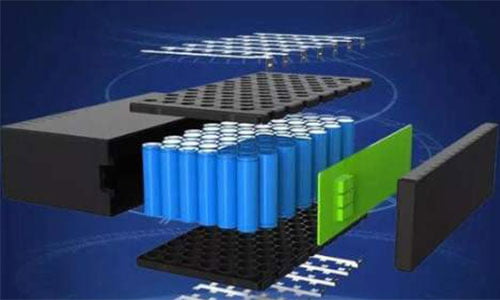
Single 18650 cells rarely power professional tools independently. Typical configurations include 5S2P through 10S4P arrangements, balancing voltage requirements with capacity needs. A 5S configuration delivers approximately 16V nominal, suitable for entry-level tools, while 10S arrangements provide 32V for heavy-duty applications.
Battery management systems must monitor individual cell voltages, temperatures, and current flow. Advanced BMS implementations include cell balancing, short-circuit protection, and communication protocols for tool intelligence. For detailed manufacturer capabilities and customization options, visit https://cnsbattery.com/battery-manufacturers-in-china/ to explore production partnerships.
Quality Verification and Testing Standards
B2B buyers should demand comprehensive testing documentation before procurement decisions. Essential certifications include UN38.3 transportation safety, IEC 62133 international safety standards, and UL 1642 cell-level certification where applicable.
Request sample cells for independent validation of capacity, internal resistance, and discharge performance. Reputable manufacturers provide batch-specific test reports documenting actual performance against specifications. For product catalogs and technical specifications, explore https://cnsbattery.com/products-3/cylindrical-battery-cell/ for available 18650 LFP options.
Supply Chain and Manufacturing Considerations
China remains the global epicenter for 18650 LFP cell production, offering competitive pricing without compromising quality when partnering with established manufacturers. Lead times typically range from 4-8 weeks for standard specifications, with customization extending timelines accordingly.
Minimum order quantities vary significantly, from 1,000 cells for trial orders to 100,000+ for volume production contracts. Establish clear communication channels with manufacturing partners to ensure specification alignment and quality consistency across production batches.
Future Outlook and Technology Trends
The 2026 landscape shows continued refinement in LFP formulations, with silicon doping and nanostructuring improvements pushing energy density boundaries while maintaining safety characteristics. Expect gradual capacity increases from current 2500-3200mAh ranges toward 3500mAh without sacrificing discharge performance.
Sustainability pressures drive increased focus on recyclability and responsible sourcing. LFP chemistry advantages extend beyond performance, containing no cobalt or nickel, simplifying end-of-life processing and reducing supply chain ethical concerns.
Conclusion
Selecting appropriate 18650 LFP cells for power tool applications requires balancing discharge performance, cycle life, safety, and total cost considerations. The technical parameters outlined in this guide provide a framework for informed procurement decisions aligned with professional application requirements.
For partnership inquiries, technical consultations, or custom manufacturing discussions, contact our team directly at https://cnsbattery.com/contact-2/. Our engineering team stands ready to support your power tool battery development projects with comprehensive technical documentation and production capabilities tailored to your specifications.
The power tool industry’s shift toward LFP chemistry represents more than a trend—it reflects mature technology delivering proven performance for professional users worldwide. Making informed cell selection decisions today positions your products for success in an increasingly competitive market landscape.