
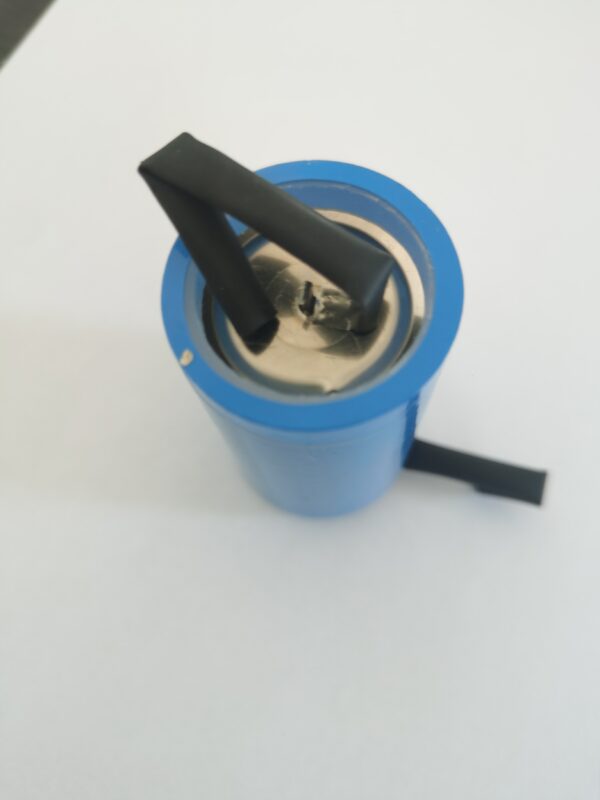
CE Certified Lithium Battery for Sweden Smart City Sensor Market
Introduction
As Sweden accelerates its smart city infrastructure development, the demand for reliable, long-lasting power solutions for IoT sensors has become critical. CE certified lithium primary batteries represent the optimal choice for Swedish smart city deployments, combining regulatory compliance with superior technical performance. This article examines the technical specifications, certification requirements, and application considerations for lithium metal batteries in Sweden’s expanding sensor network ecosystem.
Technical Foundation of Lithium Primary Batteries
Lithium primary batteries, specifically Li-SOCl₂ (Lithium Thionyl Chloride) chemistry, deliver exceptional energy density ranging from 500-700 Wh/kg. For smart city sensors operating in Nordic climates, these batteries maintain stable voltage output across temperatures from -55°C to +85°C. The nominal voltage of 3.6V provides consistent power delivery throughout the battery’s operational life, with self-discharge rates below 1% annually under proper storage conditions.
The bobbin-type construction offers superior capacity retention for low-drain applications typical in environmental monitoring sensors, while spiral-wound designs support moderate pulse currents required for wireless communication modules. Understanding these structural differences enables technical procurement teams to match battery architecture with specific sensor power profiles.
CE Certification Requirements for Swedish Market
CE marking demonstrates compliance with European Union safety, health, and environmental protection standards. For lithium primary batteries entering the Swedish market, manufacturers must satisfy multiple directives including the Battery Directive 2006/66/EC and relevant EMC requirements. The certification process encompasses electrical safety testing, chemical composition verification, and environmental impact assessment.
Swedish smart city projects particularly emphasize UN38.3 transportation certification alongside CE marking, ensuring safe logistics throughout the supply chain. Technical documentation must include detailed safety data sheets, test reports from accredited laboratories, and traceability records for quality assurance purposes.
Environmental Considerations for Nordic Deployment
Sweden’s variable climate presents unique challenges for sensor battery performance. Winter temperatures frequently drop below -20°C in northern regions, requiring batteries with proven cold-temperature discharge characteristics. Lithium thionyl chloride chemistry maintains approximately 80% capacity retention at -40°C, significantly outperforming alternative chemistries in extreme conditions.
Humidity resistance represents another critical factor, particularly for outdoor sensor installations in coastal areas. IP67-rated battery housings combined with hermetically sealed cell construction prevent moisture ingress that could compromise electrical connections or accelerate corrosion processes.
Application-Specific Power Management
Smart city sensors encompass diverse applications including air quality monitoring, traffic flow detection, waste management optimization, and infrastructure health assessment. Each application presents distinct power consumption patterns requiring tailored battery selection strategies.
Environmental sensors typically operate in sleep mode consuming microamps, with periodic wake cycles for data transmission drawing 50-100mA pulses. Battery capacity calculations must account for both continuous drain and pulse discharge characteristics, ensuring 10-15 year operational lifespans that minimize maintenance requirements and total cost of ownership.
Quality Assurance and Supply Chain Reliability
Swedish municipalities and infrastructure developers prioritize supplier reliability alongside technical specifications. Established manufacturers with ISO 9001 certification demonstrate consistent quality management systems throughout production processes. Batch testing protocols verify capacity, voltage, and impedance parameters before shipment, reducing field failure risks.
Long-term supply commitments become essential for multi-year smart city projects, ensuring battery availability throughout deployment phases and future expansion initiatives. Technical support availability for application engineering assistance further differentiates premium suppliers from commodity vendors.
Conclusion
CE certified lithium primary batteries provide the technical foundation for Sweden’s smart city sensor networks, combining regulatory compliance with exceptional performance characteristics. Proper battery selection requires understanding chemistry specifications, certification requirements, and application-specific power profiles to ensure reliable long-term operation.
For technical consultation regarding lithium primary battery solutions for Swedish smart city projects, visit our product portfolio at https://cnsbattery.com/primary-battery/ or contact our engineering team directly at https://cnsbattery.com/primary-battery-contact-us/ for application-specific recommendations and certification documentation.
