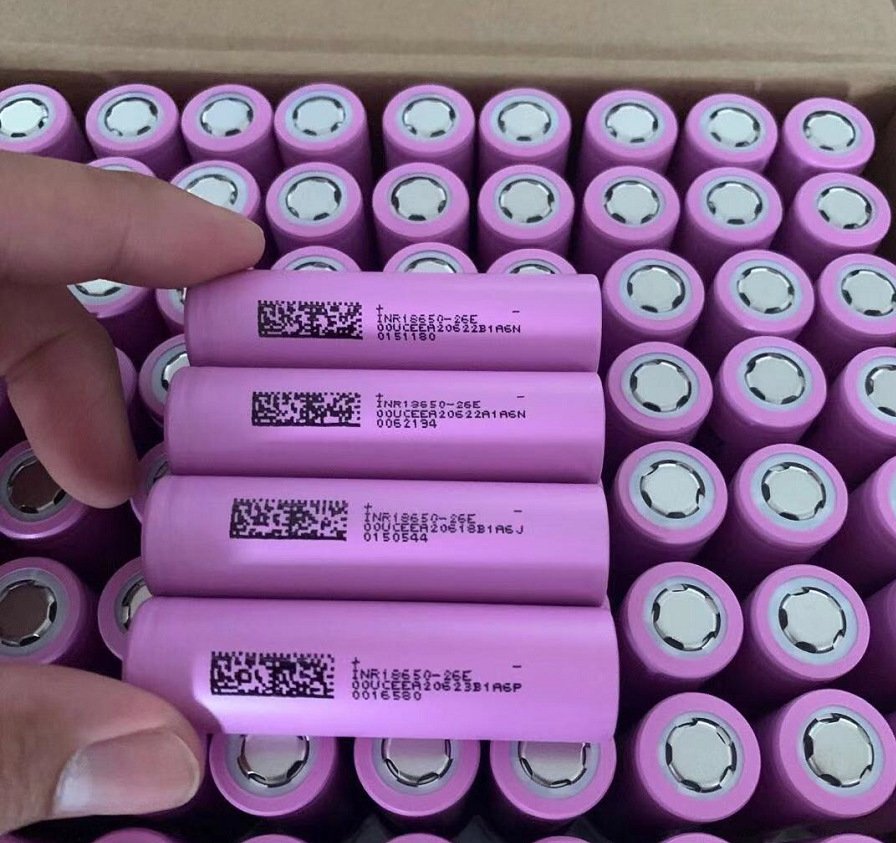
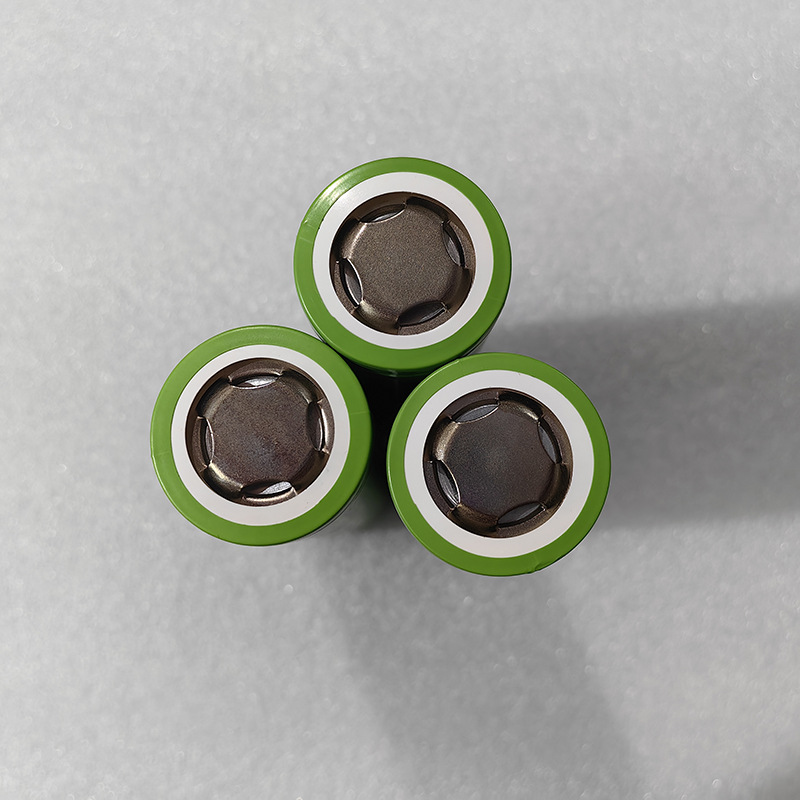
Factory Direct 26650 Li-ion Cells China Export: No Factory Audit IATF16949 for ESS Projects vs Competitors
The global energy storage system (ESS) market continues to expand rapidly, with cylindrical lithium-ion cells like the 26650 format gaining significant traction among international buyers. However, a critical concern emerges when evaluating Chinese factory direct exports: the absence of IATF16949 certification and proper factory audits. This technical analysis examines the implications for ESS projects and provides actionable insights for engineering teams and technical procurement specialists.
Understanding the 26650 Cell Architecture
The 26650 cylindrical cell measures 26mm in diameter and 65mm in length, offering approximately 4000-5000mAh capacity with nominal voltage of 3.6V or 3.7V. This format provides superior thermal dissipation compared to smaller 18650 cells, making it particularly suitable for high-drain ESS applications. The cylindrical design enables efficient pack assembly with natural spacing for cooling channels, reducing thermal runaway risks in large-scale deployments.
Key technical parameters include:
- Continuous discharge rate: Typically 1C-3C for standard cells, up to 10C for power variants
- Cycle life: 2000-5000 cycles at 80% DOD depending on chemistry (NMC, LFP, or NCA)
- Operating temperature: -20°C to 60°C for discharge, 0°C to 45°C for charging
The IATF16949 Certification Gap
IATF16949 represents the international technical specification for automotive quality management systems. While originally designed for automotive suppliers, this certification has become the gold standard for ESS projects requiring automotive-grade reliability. Many Chinese factory direct exporters lack this certification, creating significant risks for international buyers.
Without IATF16949 certification, buyers face:
- Inconsistent quality control processes across production batches
- Limited traceability for cell-level defects and failures
- Absence of standardized failure mode analysis (FMEA) documentation
- Reduced confidence in long-term performance warranties
Competitors with proper certification maintain documented processes for incoming material inspection, in-process quality control, and outgoing product validation. This systematic approach reduces field failure rates from typical 2-5% to below 0.5% in properly audited facilities.
Factory Audit Requirements for ESS Projects
Professional ESS integrators require comprehensive factory audits covering multiple dimensions beyond basic ISO9001 compliance. Critical audit elements include:
Manufacturing Process Control: Verification of electrode coating consistency, winding tension control, and electrolyte filling precision. Automated optical inspection (AOI) systems should be in place for defect detection.
Environmental Controls: Dry room conditions maintaining dew point below -40°C during cell assembly prevent moisture contamination that accelerates capacity degradation.
Testing Infrastructure: In-house capabilities for cycle life testing, thermal abuse testing, and electrical safety validation according to IEC62619 and UL1973 standards.
Supply Chain Traceability: Raw material sourcing documentation from cathode, anode, separator, and electrolyte suppliers with batch-level tracking throughout production.
Technical Risk Assessment
Cells from non-audited factories present measurable technical risks. Internal resistance variation across batches can exceed 15% without proper process control, causing uneven current distribution in parallel configurations. This accelerates degradation and creates thermal hotspots within battery packs.
Separator quality inconsistencies represent another critical concern. Premium manufacturers maintain separator thickness tolerance within ±2μm, while uncertified facilities may exceed ±5μm, increasing short-circuit probability during thermal expansion.
Electrolyte formulation accuracy directly impacts cycle life and safety. Proper additive packages (VC, FEC, LiPOBF4) require precise dosing equipment with ±0.1% accuracy to achieve specified performance characteristics.
Competitive Landscape Analysis
Established competitors with IATF16949 certification typically command 15-25% price premiums but deliver substantially lower total cost of ownership. Field data indicates warranty claim rates of 0.3-0.8% for certified manufacturers versus 3-7% for non-certified suppliers over 5-year deployment periods.
Leading manufacturers invest in automated production lines with real-time SPC (Statistical Process Control) monitoring, enabling immediate correction of process deviations. This capability proves essential for maintaining cell-to-cell consistency in large ESS installations exceeding 1MWh capacity.
Procurement Recommendations for Technical Buyers
Engineering teams should implement comprehensive supplier qualification processes including:
- Document Review: Request complete quality manuals, process flow diagrams, and control plans before sample evaluation
- Sample Testing: Conduct independent validation of capacity, internal resistance, and cycle life against datasheet specifications
- Factory Visit: Schedule on-site audits focusing on production equipment age, maintenance records, and operator training documentation
- Reference Verification: Contact existing international customers for field performance feedback and after-sales support evaluation
For ESS projects requiring bank financing or insurance coverage, IATF16949 certification often becomes mandatory rather than optional. Insurance underwriters increasingly require third-party quality certification before providing coverage for large-scale energy storage deployments.
Conclusion and Product Resources
Selecting 26650 Li-ion cells for ESS projects demands careful evaluation beyond initial pricing considerations. The absence of IATF16949 certification and proper factory audits introduces measurable technical and financial risks that can compromise project viability over the system lifetime.
Professional buyers should prioritize manufacturers with documented quality systems, comprehensive testing capabilities, and proven international deployment track records. For detailed product specifications and manufacturer qualification information, explore our cylindrical battery cell catalog featuring IATF-compliant production processes.
Technical teams requiring factory audit documentation or certification verification can access comprehensive manufacturer credentials through our battery manufacturers in China directory. For direct technical consultation regarding ESS project requirements and quality assurance protocols, contact our engineering team at https://cnsbattery.com/contact-2/.
Investing in properly certified cells from audited facilities delivers superior long-term value through reduced warranty claims, extended system lifetime, and enhanced project bankability for international ESS deployments.