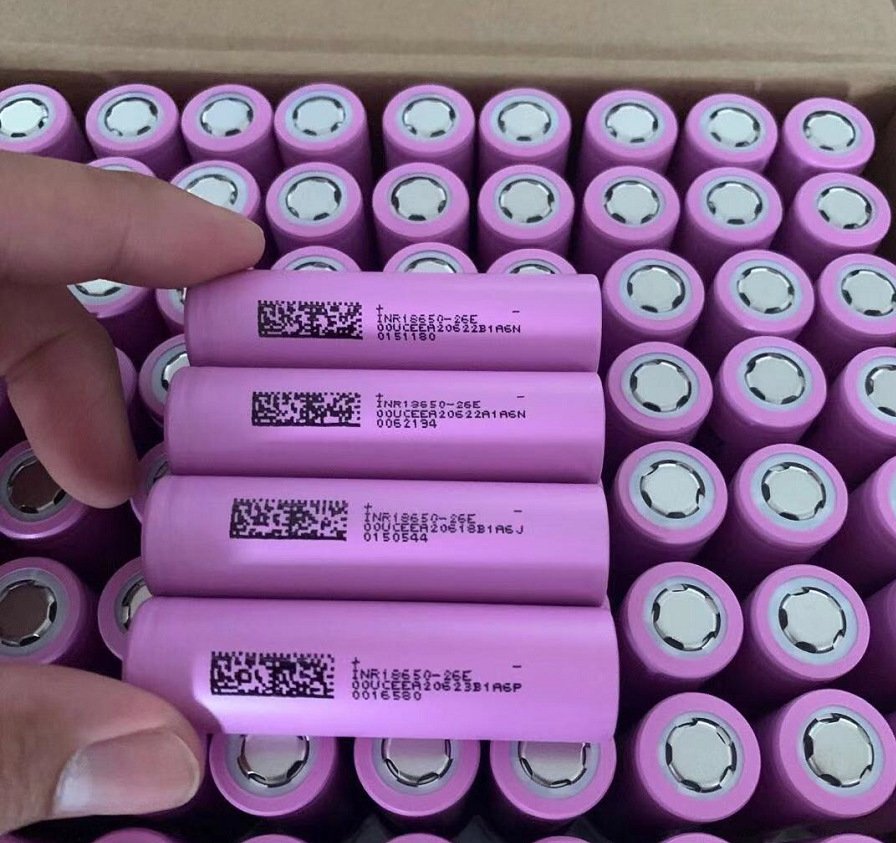
18650 LFP Cylindrical Battery for Power Tools – Low MOQ OEM Custom Solutions
The demand for reliable, safe, and cost-effective energy storage solutions in the power tool industry continues to surge. Among various battery chemistries, 18650 LFP (Lithium Iron Phosphate) cylindrical batteries have emerged as a preferred choice for manufacturers seeking balanced performance, extended cycle life, and enhanced safety. This article explores the technical advantages, customization options, and sourcing strategies for engineers and procurement professionals evaluating LFP battery solutions for power tool applications.
Why 18650 LFP Chemistry for Power Tools?
LFP batteries offer distinct advantages over traditional NMC or NCA chemistries, particularly in industrial and professional power tool segments. The lithium iron phosphate cathode structure provides superior thermal stability, reducing the risk of thermal runaway even under high-load conditions. For power tools operating in demanding environments, this translates to enhanced safety margins and reduced liability concerns.
From a performance perspective, 18650 LFP cells typically deliver 2,000 to 5,000 full charge cycles while maintaining 80% capacity retention. This extended cycle life significantly reduces total cost of ownership for end users and strengthens brand reputation for tool manufacturers. The nominal voltage of 3.2V per cell requires careful pack design, but modern battery management systems effectively address configuration challenges.
Technical Specifications and Performance Metrics
Understanding key parameters is essential for proper battery selection. Standard 18650 LFP cells feature dimensions of 18mm diameter and 65mm length, with capacities ranging from 1,500mAh to 3,500mAh depending on manufacturer specifications. Continuous discharge rates typically span 1C to 5C, with pulse discharge capabilities reaching 10C for brief intervals—critical for power tools requiring burst power during operation.
Temperature performance represents another crucial consideration. Quality LFP cells maintain stable operation between -20°C to 60°C, though optimal performance occurs within 15°C to 45°C ranges. Engineers should verify low-temperature discharge characteristics when tools will operate in cold climates, as capacity reduction occurs below freezing conditions.
OEM Customization and Low MOQ Advantages
Working with established battery manufacturers enables tailored solutions without prohibitive minimum order quantities. Customization options include capacity grading, voltage configuration, terminal types, and labeling requirements. For emerging brands and specialized applications, low MOQ OEM programs provide flexibility to test markets before scaling production volumes.
Reputable manufacturers offer comprehensive support throughout development phases, from initial cell selection to pack integration and certification assistance. This collaborative approach accelerates time-to-market while ensuring compliance with international safety standards including UL, CE, and UN38.3 transportation requirements.
Sourcing Considerations for Global Procurement
When evaluating battery suppliers, technical procurement teams should assess manufacturing capabilities, quality control systems, and supply chain transparency. China has established itself as a leading production hub for cylindrical battery cells, with numerous facilities holding ISO 9001 and IATF 16949 certifications. For detailed information about qualified suppliers, visit https://cnsbattery.com/battery-manufacturers-in-china/ to explore verified manufacturing partners.
Key evaluation criteria include production capacity, testing equipment availability, traceability systems, and after-sales support structures. Request sample cells for independent validation before committing to volume orders. Comprehensive documentation covering material safety data sheets, test reports, and warranty terms should accompany all procurement decisions.
Integration and Pack Design Best Practices
Successful battery integration requires attention to mechanical, electrical, and thermal management aspects. Cell matching within packs ensures balanced charging and discharging, extending overall system longevity. Incorporating appropriate BMS functionality protects against overcharge, over-discharge, short circuit, and temperature extremes.
For additional product specifications and technical datasheets, explore the cylindrical battery cell portfolio at https://cnsbattery.com/products-3/cylindrical-battery-cell/. This resource provides detailed information about available configurations, performance curves, and application recommendations specifically designed for power tool manufacturers.
Conclusion
The 18650 LFP cylindrical battery represents a compelling solution for power tool applications prioritizing safety, longevity, and total cost efficiency. By partnering with experienced OEM manufacturers offering flexible MOQ terms, companies can access customized battery solutions without excessive inventory risk. Technical teams should prioritize supplier verification, sample testing, and comprehensive documentation throughout the selection process.
For inquiries regarding custom battery solutions, technical consultations, or partnership opportunities, contact the team directly at https://cnsbattery.com/contact-2/. Professional support from concept through production ensures optimal battery integration and long-term product success in competitive power tool markets.