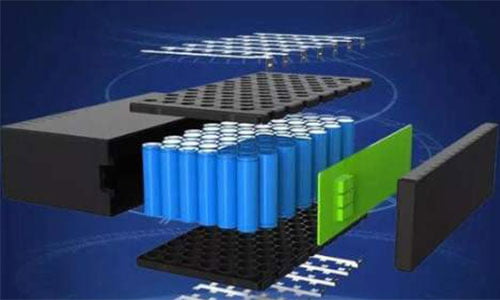
18650 Battery Cell For Vacuum Cleaner: Technical Analysis and Selection Guide
In the rapidly evolving cordless vacuum cleaner market, the 18650 lithium-ion battery cell remains a cornerstone power solution for manufacturers worldwide. As a cylindrical cell format with proven reliability, the 18650 offers an optimal balance between energy density, discharge capability, and cost-effectiveness for high-drain cleaning applications. This technical analysis examines the critical parameters engineers and procurement specialists must evaluate when selecting 18650 cells for vacuum cleaner battery packs.
Why 18650 Cells Dominate Vacuum Cleaner Applications
The 18650 designation refers to the cell’s physical dimensions: 18mm diameter and 65mm length. This standardized form factor has achieved widespread adoption across multiple industries, including power tools, electric vehicles, and home appliances. For vacuum cleaner manufacturers, the 18650 provides several distinct advantages:
Established Supply Chain Maturity: With over two decades of mass production, 18650 cells benefit from refined manufacturing processes and consistent quality control. This maturity translates to reliable supply chains and competitive pricing structures essential for consumer appliance production.
Optimal Power-to-Weight Ratio: Modern 18650 cells deliver continuous discharge rates between 10A to 30A, accommodating the high current demands of vacuum motor systems while maintaining manageable pack weight for user ergonomics.
Thermal Management Efficiency: The cylindrical geometry facilitates effective heat dissipation through air gaps between cells, reducing thermal runaway risks during extended cleaning cycles.
Critical Technical Parameters for Vacuum Cleaner Integration
Discharge Rate and C-Rating
Vacuum cleaner motors typically require burst currents during startup and sustained high currents during operation. Engineers should specify 18650 cells with minimum continuous discharge ratings of 15A (approximately 5C for 3000mAh cells). High-drain variants capable of 20A-30A continuous discharge provide additional headroom for premium models with enhanced suction power.
Capacity vs. Runtime Trade-offs
Cell capacity directly influences operational runtime between charges. While 3500mAh cells maximize runtime, they often sacrifice discharge capability. For most vacuum applications, 2500mAh to 3000mAh cells offer the optimal balance, delivering 20-40 minutes of continuous operation depending on pack configuration and power settings.
Cycle Life Expectations
Consumer vacuum cleaners typically require 500+ full charge cycles before capacity degrades to 80% of original specification. Premium cells from established manufacturers can exceed 1000 cycles when operated within recommended temperature ranges and charge/discharge limits.
Battery Pack Design Considerations
Series-Parallel Configuration
Most cordless vacuum cleaners utilize 10S to 14S configurations, producing nominal pack voltages between 36V to 51.8V. Parallel cell counts (2P to 5P) determine total capacity and current distribution. Proper cell matching within parallel groups minimizes imbalance and extends pack longevity.
Battery Management System Integration
A robust BMS protects against overcharge, over-discharge, short circuit, and thermal events. For vacuum applications, the BMS must accommodate high discharge currents while maintaining accurate state-of-charge estimation. Cell balancing functionality ensures uniform aging across all series groups.
Thermal Protection Mechanisms
Incorporating temperature sensors within the pack enables dynamic power limiting during high-temperature operation. This protection prevents accelerated degradation and maintains safety margins during demanding cleaning scenarios.
Sourcing from Reliable Manufacturers
When evaluating 18650 cell suppliers, technical procurement teams should verify manufacturing certifications, quality control processes, and traceability systems. Established battery manufacturers in China have developed comprehensive quality management systems aligned with international standards including ISO 9001 and IATF 16949.
For detailed specifications on cylindrical cell options suitable for vacuum cleaner applications, review the comprehensive cylindrical battery cell product range. Technical teams can access datasheets, test reports, and customization options through these resources.
Quality Verification and Testing Protocols
Before volume procurement, implement comprehensive validation testing including:
- Capacity verification at multiple discharge rates
- Internal resistance consistency across production batches
- Thermal performance under sustained high-current loads
- Cycle life testing under application-specific conditions
- Safety certification compliance (UN38.3, IEC 62133, UL 1642)
Conclusion
The 18650 battery cell continues to serve as the preferred power solution for cordless vacuum cleaner manufacturers seeking proven technology, reliable supply chains, and competitive cost structures. Success depends on proper cell selection aligned with specific application requirements, robust pack design incorporating appropriate protection systems, and partnership with qualified manufacturers committed to consistent quality delivery.
For technical consultations or custom battery pack development inquiries, reach out through our contact page to connect with our engineering team. Proper specification and sourcing of 18650 cells ensures optimal vacuum cleaner performance, user satisfaction, and brand reputation in the competitive home appliance market.