
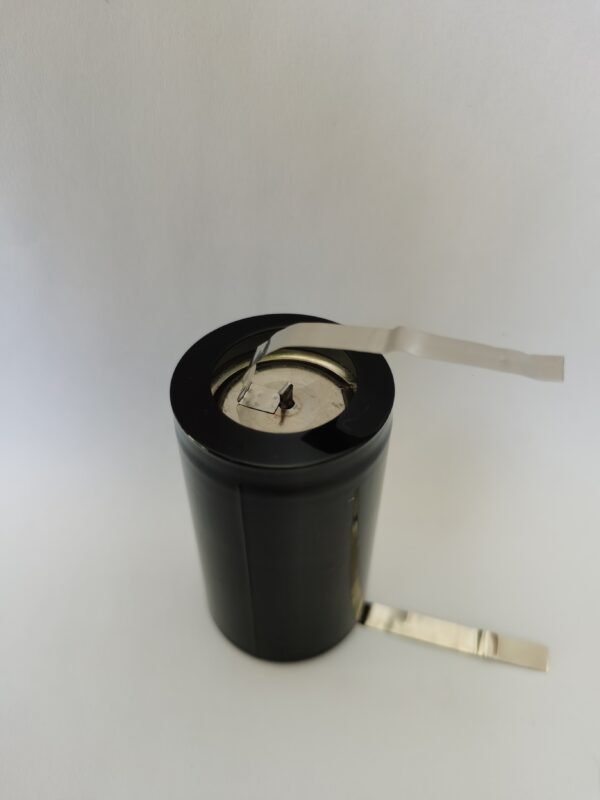
Bulgaria Smart Meter Li-SOCl₂ Battery | CE Certified: Technical Guide for Utility Infrastructure
The deployment of advanced metering infrastructure (AMI) across Bulgaria demands reliable, long-lasting power solutions that meet stringent European safety standards. CE Certified Li-SOCl₂ (Lithium Thionyl Chloride) batteries have emerged as the preferred power source for smart meter applications throughout Bulgaria and the broader Balkan region. This article examines the technical specifications, certification requirements, and operational advantages of Li-SOCl₂ batteries specifically engineered for Bulgarian smart meter installations.
Understanding Li-SOCl₂ Battery Technology
Li-SOCl₂ batteries represent the highest energy density chemistry among practical primary battery systems, delivering up to 590 Wh/kg and 1100 Wh/L. The electrochemical reaction involves metallic lithium as the anode and thionyl chloride (SOCl₂) serving as both cathode active material and electrolyte solvent. During discharge, the following reaction occurs:
4Li + 2SOCl₂ → 4LiCl + S + SO₂
This chemistry produces a nominal voltage of 3.6V with exceptionally low self-discharge rates (typically less than 1% per year at ambient temperature), making it ideal for smart meter applications requiring 10-15 year operational lifespans without maintenance.
CE Certification Requirements for Bulgarian Market
Following Bulgaria’s adoption of the euro on January 1, 2026, alignment with EU regulatory frameworks has become increasingly critical for utility infrastructure components. CE certification ensures compliance with:
- EN 60086-4: Safety of primary batteries
- EN 62133: Secondary cells and batteries safety requirements
- RoHS Directive 2011/65/EU: Restriction of hazardous substances
- REACH Regulation: Chemical substance registration and evaluation
For smart meter manufacturers and technical procurement teams operating in Bulgaria, verifying CE certification documentation is essential for market access and regulatory compliance. Certified batteries undergo rigorous testing for thermal stability, mechanical integrity, and electrical safety under extreme conditions ranging from -40°C to +85°C.
Key Technical Considerations for Smart Meter Applications
1. Pulse Current Capability
Modern smart meters require batteries capable of delivering high pulse currents during GSM/LTE communication bursts. Advanced Li-SOCl₂ designs incorporate hybrid layer construction or parallel capacitor configurations to support pulse loads up to 5A while maintaining baseline current drain below 10μA.
2. Voltage Delay Mitigation
Traditional Li-SOCl₂ cells may exhibit voltage delay after prolonged storage due to lithium passivation layer formation. Premium CE-certified batteries employ modified electrolyte formulations and electrode treatments to minimize this effect, ensuring immediate voltage response upon activation.
3. Temperature Performance
Bulgarian climate conditions span from -25°C winter lows to +40°C summer highs. Quality Li-SOCl₂ batteries maintain 80%+ capacity retention across this range, with specialized low-temperature variants available for outdoor meter installations in mountainous regions.
4. Long-Term Reliability
Smart meter deployment economics depend on battery longevity matching meter lifecycle expectations. CE-certified Li-SOCl₂ batteries demonstrate less than 2% annual capacity loss at 25°C, supporting 15+ year service intervals without replacement.
Procurement Guidelines for Technical Buyers
When sourcing Li-SOCl₂ batteries for Bulgarian smart meter projects, technical procurement teams should verify:
- Valid CE certification with notified body identification
- Batch traceability and quality management system certification (ISO 9001)
- Technical datasheets specifying pulse performance, temperature ranges, and expected service life
- Compliance with Bulgarian utility company technical specifications
For comprehensive product specifications and technical documentation, visit our primary battery product portfolio. Our engineering team provides application-specific recommendations based on meter communication protocols, transmission intervals, and installation environments.
Installation and Safety Best Practices
Proper battery handling ensures optimal performance and safety compliance:
- Store batteries at 15-25°C in original packaging until installation
- Avoid mechanical stress or terminal short-circuiting during meter assembly
- Implement polarity protection circuits in meter design
- Follow EU waste electrical equipment (WEEE) disposal guidelines at end-of-life
Conclusion
CE Certified Li-SOCl₂ batteries represent the optimal power solution for Bulgaria’s expanding smart meter infrastructure, combining exceptional energy density, decade-long service life, and full regulatory compliance. Technical teams specifying batteries for Bulgarian AMI deployments should prioritize verified CE certification, pulse current capability, and temperature performance matching local climate conditions.
For technical consultation, certification documentation, or customized battery solutions for Bulgarian smart meter applications, contact our engineering team at CNS Battery. We support utility companies, meter manufacturers, and system integrators throughout Bulgaria and Southeast Europe with reliable primary battery solutions backed by comprehensive technical support and regulatory compliance documentation.
