
How to Dispose of Primary Lithium Batteries: Global Compliance Guide
Introduction
Primary lithium batteries, also known as lithium metal batteries, power countless industrial applications from medical devices to IoT sensors. However, improper disposal poses significant environmental and safety risks. For B2B purchasers, procurement managers, and compliance officers, understanding global disposal regulations is not optional—it’s a business imperative. This guide provides actionable compliance frameworks for 2025-2026.
Technical Foundation: Understanding Primary Lithium Batteries
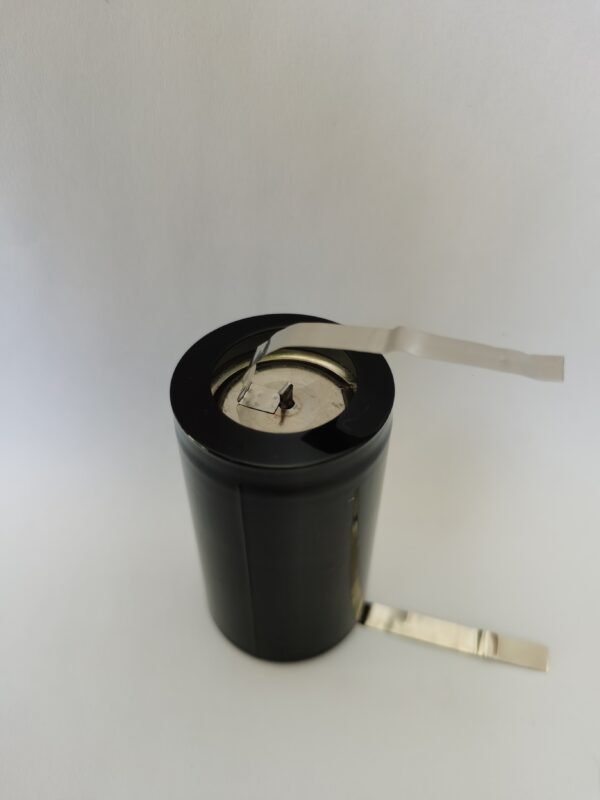
Primary lithium batteries utilize lithium metal as the anode, offering higher energy density (up to 300 Wh/kg) compared to alkaline alternatives. Common chemistries include Li-MnO₂, Li-SOCl₂, and Li-FeS₂. Unlike rechargeable lithium-ion batteries, these single-use cells present unique disposal challenges due to their reactive lithium content and potential thermal runaway risks during waste processing.
Key Technical Considerations:
- Voltage ranges: 1.5V to 3.7V depending on chemistry
- Operating temperature: -40°C to +85°C for industrial grades
- Shelf life: 10+ years under proper storage conditions
Global Regulatory Framework
European Union: Battery Regulation EU 2023/1542
The EU’s new Battery Regulation represents the world’s most comprehensive framework. Key requirements effective 2025-2026 include:
Extended Producer Responsibility (EPR): Since August 18, 2025, all sellers distributing batteries in EU markets must register with national authorities and demonstrate take-back capabilities. Non-compliance results in product bans across member states including Germany, France, Spain, Italy, and Poland.
Battery Passport: By 2026, industrial and EV batteries require digital passports documenting carbon footprint, recycled content, and supply chain due diligence. While primarily targeting rechargeable batteries, primary battery manufacturers should prepare for expanded scope.
Collection Targets: Member states must achieve 63% collection rates for portable batteries by 2027, increasing to 73% by 2030.
United States: Fragmented but Enforcing
The U.S. lacks federal primary battery disposal legislation, creating a state-by-state compliance landscape:
- California: Universal Waste Rule classifies lithium batteries as hazardous waste, requiring certified recycling facilities
- New York: Rechargeable Battery Recycling Act mandates manufacturer-funded collection programs
- Federal Transportation: PHMSA enforces UN38.3 testing for all battery shipments
Case Study: A medical device distributor faced $250,000 in penalties when improperly disposed lithium batteries ignited at a California waste facility. The incident underscores the importance of certified disposal partners.
Asia-Pacific: Emerging Standards
- China: New 2025 regulations require battery producers to establish recycling networks with minimum 40% recovery rates
- Japan: Home Appliance Recycling Law covers lithium batteries with manufacturer responsibility
- South Korea: Extended Producer Responsibility system mandates recycling quotas increasing annually
Transportation Compliance: UN38.3 Certification
Regardless of disposal destination, transportation regulations apply universally. UN38.3 testing remains mandatory for all lithium battery shipments:
Eight Required Tests:
- Altitude simulation
- Thermal testing (-55°C to +75°C)
- Vibration
- Shock
- External short circuit
- Impact
- Overcharge (rechargeable only)
- Forced discharge
2026 Update: Air transport now requires state of charge (SoC) not exceeding 30% for lithium batteries shipped with equipment. Exceeding this threshold requires origin and carrier country approval with written conditions.
Documentation Requirements:
- UN38.3 test summary
- Dangerous Goods Declaration
- Proper shipping name: “Lithium metal batteries” (UN3090) or “Lithium metal batteries contained in equipment” (UN3091)
- Class 9 hazard labeling
Practical Disposal Pathways for B2B Organizations
Step 1: Inventory Assessment
Conduct comprehensive battery audits documenting:
- Chemistry types and quantities
- Age and condition status
- Current storage conditions
- Historical procurement records
Step 2: Partner Selection
Choose certified recycling partners with:
- R2 or e-Stewards certification
- Insurance coverage for hazardous materials
- Documented chain-of-custody procedures
- Regional collection capabilities
Step 3: Internal Procedures
Establish written protocols covering:
- Safe collection and temporary storage
- Employee training requirements
- Emergency response procedures
- Record retention (minimum 3 years)
Step 4: Documentation Trail
Maintain comprehensive records including:
- Recycling certificates
- Transportation manifests
- Weight tickets
- Final disposition documentation
Procurement Best Practices
When sourcing primary lithium batteries, integrate compliance considerations into vendor selection:
Supplier Qualification Checklist:
- UN38.3 certification current and accessible
- SDS (Safety Data Sheets) available in required languages
- Take-back programs offered
- Compliance with target market regulations
- Insurance coverage for product liability
Contractual Protections:
- Indemnification clauses for compliance violations
- Clear responsibility allocation for end-of-life management
- Audit rights for verification
- Penalty provisions for non-conformance
Cost Considerations
Compliance carries costs, but non-compliance costs more:
| Compliance Element | Estimated Cost | Risk of Non-Compliance |
|---|---|---|
| UN38.3 Testing | $3,000-8,000 per model | Shipment rejection, fines |
| Certified Recycling | $0.50-2.00 per kg | Environmental penalties |
| Documentation Systems | $5,000-15,000 initial | Audit failures |
| Training Programs | $500-2,000 annually | Safety incidents |
ROI Perspective: Companies implementing comprehensive compliance programs report 40% reduction in regulatory incidents and improved market access.
Looking Ahead: 2026-2027 Trends
- Digital Tracking: Blockchain-based battery tracing gaining traction
- Carbon Reporting: Scope 3 emissions from battery disposal entering mandatory disclosure
- Harmonization: Global standards convergence reducing compliance complexity
- Technology Shift: Some applications transitioning to lithium-ion, affecting primary battery volumes
Conclusion
Primary lithium battery disposal compliance requires proactive management, not reactive responses. B2B organizations must integrate regulatory requirements into procurement, operations, and risk management frameworks. The investment in compliance infrastructure delivers measurable returns through reduced liability, enhanced market access, and strengthened stakeholder confidence.
For organizations seeking compliant primary lithium battery solutions with full documentation support, explore our product range at https://cnsbattery.com/primary-battery/ and contact our compliance team at https://cnsbattery.com/primary-battery-contact-us/ for region-specific guidance.
Remember: Compliance is not a cost center—it’s a competitive advantage in increasingly regulated global markets.
