
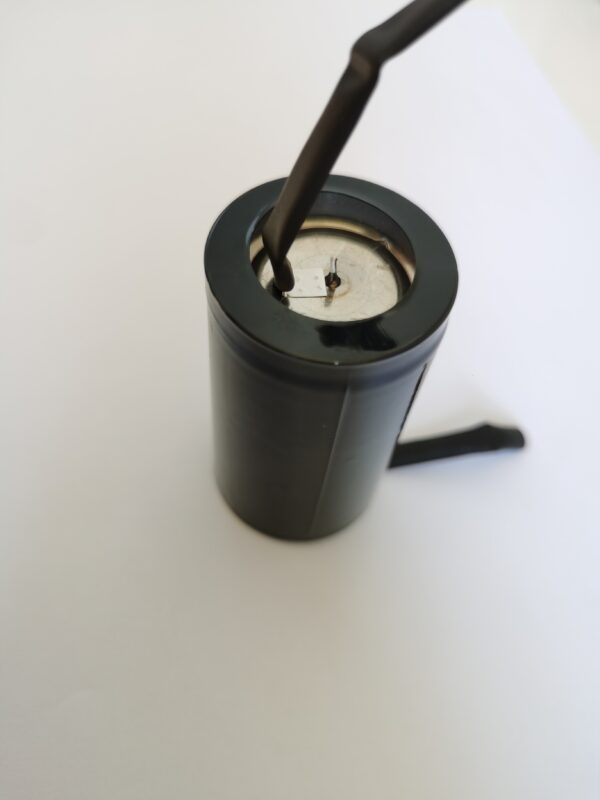
UK ATEX Certified Li-SOCl₂ Battery for Oil & Gas: Technical Specifications and Compliance Guide
In the high-stakes environment of the Oil & Gas (O&G) industry, power reliability is not merely a convenience; it is a critical safety imperative. From downhole drilling tools to surface pipeline monitoring systems, equipment operates under extreme conditions characterized by wide temperature fluctuations, high pressure, and potentially explosive atmospheres. For engineers and technical purchasers operating within the United Kingdom and the European Economic Area (EEA), selecting a power source that meets rigorous safety standards is paramount. Specifically, the deployment of UK ATEX Certified Li-SOCl₂ batteries has become the industry benchmark for ensuring operational continuity and regulatory compliance in hazardous zones.
The Dominance of Lithium Thionyl Chloride Chemistry
Lithium Thionyl Chloride (Li-SOCl₂) primary batteries are uniquely suited for O&G applications due to their superior electrochemical properties. Unlike alkaline or standard lithium-manganese dioxide cells, Li-SOCl₂ chemistry offers an open-circuit voltage of 3.6V and the highest energy density among commercial primary batteries, typically exceeding 500 Wh/kg.
For O&G engineers, the technical advantages are clear:
- Wide Operating Temperature Range: High-grade Li-SOCl₂ cells can operate reliably from -55°C to +85°C, with specialized variants sustaining up to +150°C for downhole logging tools. This stability is crucial for equipment deployed in North Sea platforms or desert pipelines.
- Low Self-Discharge Rate: With an annual self-discharge rate of less than 1%, these batteries support a shelf life of over 10 years. This reduces maintenance intervals for remote sensors and safety systems, significantly lowering the total cost of ownership.
- Voltage Stability: The flat discharge curve ensures consistent power delivery throughout the battery’s life, preventing unexpected voltage drops that could trigger system failures in critical safety instrumentation.
Understanding ATEX Certification for Battery Systems
The term “ATEX” derives from the French ATmosphères EXplosibles. It refers to the regulatory framework governing equipment intended for use in explosive atmospheres. For the UK and EU markets, compliance with Directive 2014/34/EU is mandatory. This directive replaced the earlier 94/9/EC and covers both electrical and mechanical equipment designed for potential explosive environments.
For battery manufacturers and integrators, ATEX certification is not a single test but a comprehensive conformity assessment. It ensures that the battery will not act as an ignition source through spark, arc, or excessive surface temperature.
Zone Classification and Equipment Categories
ATEX classifies hazardous areas into zones based on the frequency and duration of the presence of an explosive gas atmosphere:
- Zone 0: Explosive atmosphere present continuously or for long periods.
- Zone 1: Likely to occur occasionally during normal operation.
- Zone 2: Not likely to occur in normal operation, or only for a short period.
Correspondingly, equipment is categorized:
- Category 1 (M1/1): Very high level of protection (suitable for Zone 0).
- Category 2 (M2/2): High level of protection (suitable for Zone 1).
- Category 3 (3): Normal level of protection (suitable for Zone 2).
A UK ATEX Certified Li-SOCl₂ battery intended for downhole tools or Zone 0 surface equipment must typically meet Category 1 requirements, often utilizing Intrinsic Safety (Ex ia) protection methods. This limits the electrical and thermal energy within the battery circuit to levels below what is required to ignite a specific hazardous atmospheric mixture.
Critical Technical Considerations for Selection
When sourcing primary lithium batteries for hazardous locations, technical purchasers must look beyond basic capacity ratings. The following factors are essential for compliance and performance:
1. Passivation Layer Management
Li-SOCl₂ cells naturally form a lithium chloride passivation layer on the anode, which prevents corrosion but can cause voltage delay upon initial load. In safety-critical O&G applications, manufacturers must utilize advanced electrolyte formulations to minimize this delay without compromising shelf life.
2. Safety Venting Mechanisms
In the event of internal pressure buildup due to external heating or electrical abuse, the battery must have a reliable pressure relief mechanism. ATEX-certified cells undergo rigorous tests to ensure that venting does not produce flames or particles capable of igniting the surrounding atmosphere.
3. Pulse Current Capability
Modern telemetry units and wireless sensors require high pulse currents for data transmission. While standard bobbin-type Li-SOCl₂ cells offer high capacity, they may struggle with high pulses. Hybrid designs or spiral-wound constructions are often necessary to support pulse loads while maintaining ATEX intrinsic safety limits.
4. Documentation and Traceability
Compliance is documentation-heavy. Suppliers must provide a Declaration of Conformity, test reports from notified bodies, and clear marking on the battery indicating the ATEX symbol (Ex), Equipment Group (II), Category, and Gas Group (e.g., IIC). Post-Brexit, UKCA marking may also be required for goods placed on the Great Britain market, though ATEX remains widely recognized as the technical standard.
Ensuring Supply Chain Integrity
The risk of counterfeit or non-compliant batteries in the industrial sector is significant. Substandard cells may lack proper safety vents or use impure materials that increase the risk of thermal runaway. Partnering with a manufacturer that maintains strict quality control systems (ISO 9001) and holds valid ATEX certificates is non-negotiable.
Engineers should verify the validity of the ATEX certificate through the issuing notified body. Furthermore, the supply chain must guarantee that storage and transportation conditions do not compromise the battery’s integrity before installation.
Conclusion
The deployment of UK ATEX Certified Li-SOCl₂ batteries is a foundational element in designing safe and reliable Oil & Gas infrastructure. By combining the high energy density and temperature resilience of lithium thionyl chloride chemistry with strict adherence to Directive 2014/34/EU, operators can ensure their equipment performs flawlessly in the world’s most hazardous environments.
For technical teams seeking compliant, high-performance primary power solutions, it is essential to collaborate with suppliers who prioritize certification and technical transparency. To explore our range of certified industrial battery solutions and verify technical specifications, please visit our primary battery product page.
If you require detailed datasheets, ATEX certification documents, or custom engineering support for your specific hazardous area applications, our technical team is ready to assist. You can reach us directly through our contact page to discuss your project requirements and ensure full regulatory compliance.
