

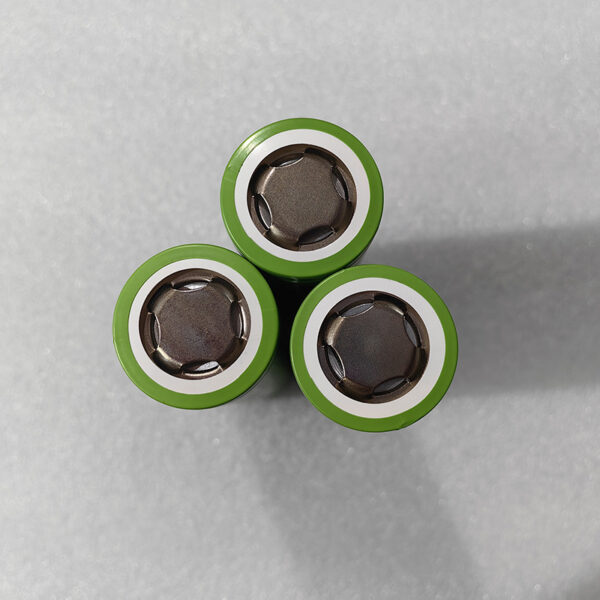
2026 LiFePO4 Cylindrical Battery Supplier: Fix Thermal Runaway Prevention in Electric Motorcycle Using 32135 Cells B2B Export
The electric motorcycle industry is experiencing unprecedented growth in 2026, with safety concerns remaining the primary barrier to widespread adoption. As a leading LiFePO4 cylindrical battery supplier, we address the critical challenge of thermal runaway prevention in electric motorcycles using 32135 cells. This technical guide provides B2B buyers and engineering teams with actionable insights for implementing safer battery systems in export markets.
Understanding Thermal Runaway in 32135 LiFePO4 Cells
Thermal runaway occurs when battery cells experience uncontrollable self-heating, potentially leading to fire or explosion. While LiFePO4 chemistry inherently offers superior thermal stability compared to NMC or NCA alternatives, proper system design remains essential for electric motorcycle applications.
The 32135 cylindrical form factor (32mm diameter × 135mm length) provides optimal balance between energy density and heat dissipation. Each cell typically delivers 3.2V nominal voltage with capacity ranging from 12-15Ah, making it ideal for two-wheeler powertrains requiring 48V-72V systems.
Key Thermal Runaway Triggers
- Overcharging: Voltage exceeding 3.65V per cell initiates exothermic reactions
- External Short Circuit: Current spikes generate instantaneous heat accumulation
- Mechanical Damage: Cell deformation compromises internal separator integrity
- Ambient Temperature: Operating beyond 60°C accelerates degradation processes
Core Prevention Strategies for B2B Implementation
1. Advanced Battery Management System (BMS) Integration
A robust BMS serves as the first line of defense against thermal events. Our recommended specifications include:
- Individual cell voltage monitoring with ±5mV accuracy
- Temperature sensing at minimum 4 points per battery pack
- Active balancing capability for 100A+ discharge applications
- CAN bus communication for real-time diagnostic data export
Proper BMS calibration ensures early detection of abnormal cell behavior before thermal propagation occurs.
2. Thermal Management Architecture
Effective heat dissipation requires multi-layered engineering approaches:
Passive Cooling: Aluminum housing with thermal conductivity ≥150 W/m·K provides baseline protection for moderate climate operations.
Active Cooling: For high-performance electric motorcycles, integrated air or liquid cooling channels maintain cell temperature within 25-45°C optimal range during sustained discharge.
Thermal Barriers: Ceramic-coated separators and fire-retardant potting compounds prevent cell-to-cell thermal propagation within the pack assembly.
3. Cell Selection and Quality Verification
Not all 32135 cells meet export-grade safety standards. B2B purchasers should verify:
- UN38.3 transportation certification completion
- IEC 62619 industrial battery safety compliance
- Cycle life ≥3000 cycles at 80% DOD
- Internal resistance consistency <3mΩ variation across production batches
Partner with established battery manufacturers in China who maintain transparent quality documentation and third-party testing records.
System-Level Safety Design Considerations
Mechanical Protection
Electric motorcycle battery compartments must withstand vibration (ISO 16750-3), shock (50G peak), and IP67 ingress protection. The 32135 cylindrical format offers inherent structural advantages over pouch cells for two-wheeler applications subject to road irregularities.
Electrical Isolation
Implement redundant contactor systems with insulation resistance monitoring >1MΩ. Emergency disconnect circuits should activate within 100ms when fault conditions exceed predetermined thresholds.
Fire Suppression Integration
For commercial fleet applications, consider aerosol-based suppression systems triggered by temperature sensors positioned at pack hotspots. This adds critical response time for rider evacuation in catastrophic failure scenarios.
Export Market Compliance Requirements
Different regions enforce varying safety standards for electric motorcycle batteries:
| Market | Key Certification | Testing Focus |
|---|---|---|
| EU | CE + UN38.3 | EMC + Transport Safety |
| USA | UL 2271 | Thermal Abuse Testing |
| Southeast Asia | IEC 62619 | Cycle Life + Overcharge |
| India | AIS 156 | Vibration + Water Ingress |
Ensure your cylindrical battery cell supplier provides complete certification documentation for target export destinations.
Supplier Evaluation Checklist for 2026 Procurement
When selecting a LiFePO4 32135 cell partner for electric motorcycle production, verify:
✓ Manufacturing capacity ≥50MWh annually
✓ In-house cell testing laboratory with abuse testing capability
✓ Traceability system tracking individual cell production data
✓ After-sales technical support with 48-hour response commitment
✓ Flexible MOQ arrangements for prototype development phases
Conclusion: Building Safer Electric Mobility Together
Thermal runaway prevention in electric motorcycles requires systematic approach combining proper cell chemistry selection, intelligent BMS design, and comprehensive safety engineering. The 32135 LiFePO4 cylindrical format represents the optimal balance of safety, performance, and cost-effectiveness for 2026 B2B export applications.
Partner with experienced suppliers who understand the technical requirements of international markets and can provide complete documentation for regulatory compliance. Our team specializes in supporting electric motorcycle manufacturers with customized battery solutions meeting global safety standards.
For technical consultations and sample requests, visit our contact page to connect with our engineering team. We provide comprehensive support from prototype development through mass production scaling, ensuring your electric motorcycle battery systems meet the highest safety benchmarks for global distribution.
This technical guide reflects industry best practices as of March 2026. Specifications may vary based on specific application requirements and regional regulatory frameworks.

