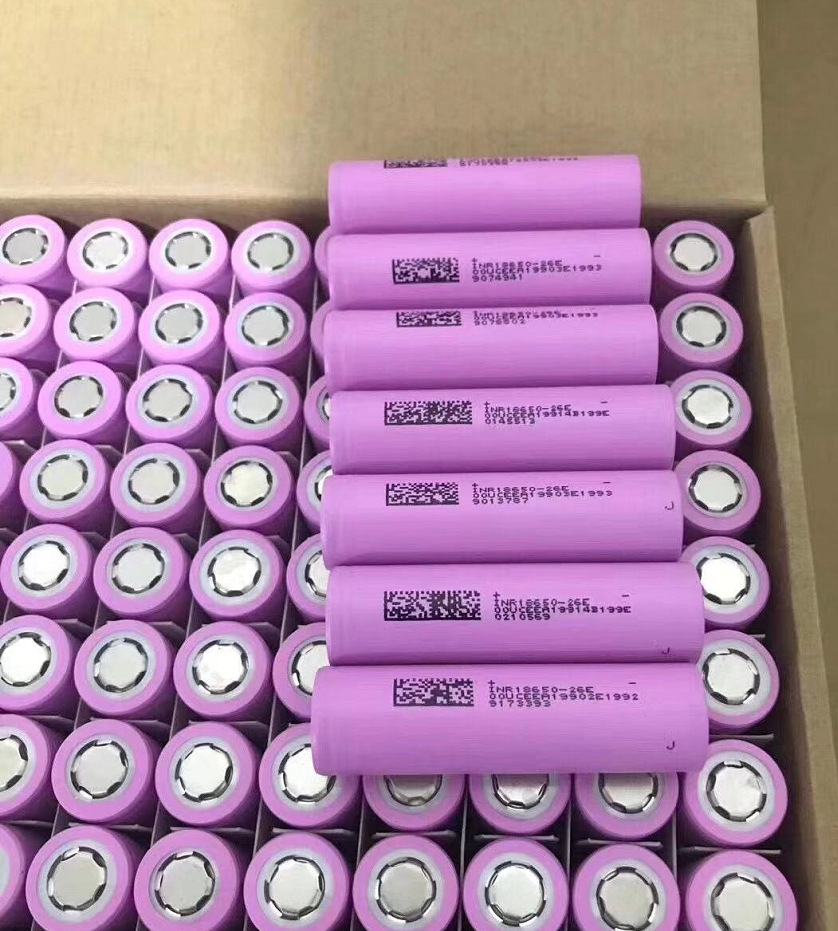
26650 Battery Cell For Electric Tricycle: Technical Analysis & Selection Guide
The electric tricycle market continues to expand globally, driven by urban mobility demands and sustainable transportation initiatives. At the heart of every high-performance electric tricycle lies a critical component: the battery cell. Among various cylindrical cell formats, the 26650 battery cell has emerged as a preferred choice for manufacturers seeking optimal balance between energy density, thermal management, and cost-effectiveness. This article provides a comprehensive technical breakdown for engineers and procurement specialists evaluating 26650 cells for electric tricycle applications.
Understanding the 26650 Cell Architecture
The designation “26650” refers to the physical dimensions: 26mm diameter and 65mm length. This cylindrical format offers approximately 50% more volume compared to the widely-known 18650 cell, translating to higher capacity per unit. For electric tricycles requiring sustained power delivery over extended routes, the 26650 configuration delivers typical capacities ranging from 4,000mAh to 5,500mAh depending on chemistry composition.
From an engineering perspective, the larger surface-area-to-volume ratio enhances heat dissipation characteristics. Electric tricycles operating in diverse climate conditions—from Southeast Asian humidity to European winter temperatures—benefit from this thermal advantage. The cylindrical form factor also simplifies pack assembly, allowing modular configurations that accommodate various frame designs without compromising structural integrity.
Key Performance Parameters for Tricycle Applications
When selecting 26650 cells for electric tricycle integration, several technical parameters warrant careful evaluation:
Continuous Discharge Rate (C-Rating): Electric tricycles frequently encounter variable load conditions including hill climbs, cargo transport, and stop-start urban navigation. Cells supporting 3C to 5C continuous discharge ensure adequate power delivery without excessive voltage sag. Peak discharge capabilities should exceed 10C for acceleration demands.
Cycle Life Expectancy: Commercial tricycle operations demand longevity. Quality 26650 cells utilizing lithium iron phosphate (LiFePO4) or high-grade NMC chemistry achieve 2,000 to 3,000 full cycles while maintaining 80% capacity retention. This translates to approximately 3-5 years of daily commercial use before replacement becomes necessary.
Operating Temperature Range: Reliable performance between -20°C to 60°C ensures year-round operation across different geographical markets. Cells incorporating advanced electrolyte formulations demonstrate superior low-temperature performance, critical for regions experiencing seasonal variations.
Safety Considerations & BMS Integration
Battery safety remains paramount for electric vehicle applications. The 26650 format accommodates integrated safety features including pressure relief vents, PTC (Positive Temperature Coefficient) devices, and CID (Current Interrupt Device) mechanisms. However, cell-level protection must complement comprehensive Battery Management System (BMS) architecture.
A properly designed BMS monitors individual cell voltages, temperature gradients, and current flow throughout the pack. For tricycle applications utilizing multiple 26650 cells in series-parallel configurations, balancing circuits prevent capacity mismatch and extend overall pack lifespan. Procurement teams should verify that cell suppliers provide detailed specification sheets including impedance characteristics and thermal runaway thresholds.
Cost-Performance Optimization
From a total cost of ownership perspective, 26650 cells offer compelling economics for electric tricycle manufacturers. The larger format reduces the total cell count per pack compared to 18650 alternatives, decreasing assembly time, welding points, and BMS complexity. This consolidation translates to approximately 15-20% reduction in pack manufacturing costs while maintaining equivalent energy capacity.
Manufacturers sourcing from established Chinese battery producers benefit from mature supply chains and competitive pricing structures. However, quality verification remains essential. Reputable manufacturers maintain ISO 9001 certification, provide UN38.3 transportation documentation, and support third-party testing validation.
Integration Best Practices
Successful 26650 integration requires attention to mechanical design considerations. Cell holders should accommodate thermal expansion without imposing excessive stress on terminal connections. Vibration resistance testing per IEC 62660 standards ensures durability under real-world road conditions typical for tricycle operations.
Electrical connections utilizing nickel-plated copper busbars minimize resistance losses. For high-current applications exceeding 50A pack output, parallel cell groupings distribute current load evenly, preventing individual cell overstress. Thermal interface materials between cells and cooling plates enhance heat transfer efficiency during sustained discharge operations.
Conclusion & Next Steps
The 26650 battery cell represents a technically sound choice for electric tricycle manufacturers prioritizing performance, safety, and cost efficiency. Engineers evaluating cell options should request samples for validation testing, verify manufacturing certifications, and establish clear quality acceptance criteria with suppliers.
For detailed technical specifications and customization options regarding cylindrical battery cells, explore our comprehensive product catalog at Cylindrical Battery Cell. Manufacturers seeking reliable production partnerships can review our capabilities at Battery Manufacturers in China. Direct technical consultations and quotation requests are available through our Contact Page.
Selecting the right 26650 cell partner determines long-term product success in the competitive electric mobility landscape. Prioritize suppliers demonstrating consistent quality control, transparent communication, and commitment to continuous improvement standards.