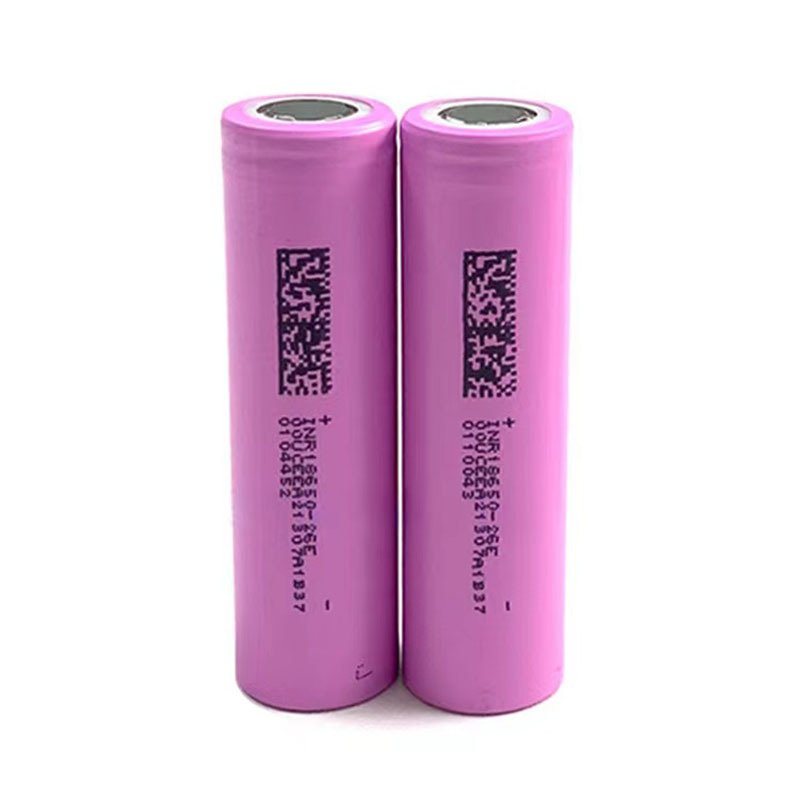
Factory Direct 33140 Lithium Ion Cylindrical Battery Cells China Export: No Sample Test Report for Drone Projects Low Price High Quality
In the rapidly evolving landscape of unmanned aerial vehicle (UAV) technology, sourcing reliable power solutions remains a critical challenge for manufacturers worldwide. The 33140 lithium ion cylindrical battery cell has emerged as a preferred choice for drone applications, offering an optimal balance between energy density, discharge capability, and cost-effectiveness. As a leading battery manufacturer based in China, we understand the unique requirements of international B2B clients seeking factory-direct solutions without compromising on quality or technical support.
Understanding the 33140 Cylindrical Cell Architecture
The 33140 designation refers to the physical dimensions of this cylindrical lithium-ion cell: 33mm in diameter and 140mm in length. This form factor provides approximately 12-15Wh of energy capacity per cell, making it particularly suitable for medium to large-scale drone projects where weight-to-power ratio is paramount.
From a technical perspective, the 33140 cell typically utilizes NMC (Nickel Manganese Cobalt) or LFP (Lithium Iron Phosphate) chemistry, each offering distinct advantages. NMC variants deliver higher energy density (180-220Wh/kg), ideal for extended flight times, while LFP options provide superior cycle life (2000+ cycles) and enhanced thermal stability for demanding operational environments.
Factory Direct Advantages for International Buyers
Purchasing directly from Chinese manufacturers eliminates intermediary markups, typically reducing procurement costs by 25-40%. However, the true value extends beyond pricing. Factory-direct partnerships enable:
- Customized specifications tailored to specific drone platform requirements
- Direct technical consultation with engineering teams throughout project development
- Flexible MOQ arrangements accommodating both prototype and mass production phases
- Streamlined quality control with transparent manufacturing processes
For comprehensive information about our manufacturing capabilities, visit Battery Manufacturers in China to understand our production facilities and certification standards.
Addressing the Sample Test Report Concern
A common concern among international buyers involves sample testing documentation. While some suppliers may not provide comprehensive test reports for initial samples, reputable manufacturers maintain full traceability and certification for production batches. Key documentation typically includes:
- UN38.3 Transportation Safety Certification – Mandatory for international lithium battery shipping
- IEC 62133 Safety Standards Compliance – Ensuring cell-level safety requirements
- Capacity and Internal Resistance Test Data – Verifying performance specifications
- Cycle Life Testing Results – Demonstrating long-term reliability projections
We recommend requesting full test documentation before committing to large-volume orders. Our technical team provides detailed specification sheets and can arrange third-party verification upon request. Explore our complete Cylindrical Battery Cell portfolio for detailed technical parameters.
Technical Considerations for Drone Applications
Drone battery systems demand specific performance characteristics that the 33140 format addresses effectively:
Discharge Rate Capability: Quality 33140 cells support continuous discharge rates of 3C-5C, with pulse discharge capabilities reaching 8C-10C. This ensures sufficient power delivery during takeoff, climbing, and high-load maneuvering phases.
Thermal Management: The cylindrical form factor facilitates efficient heat dissipation through the cell surface. Proper pack design incorporating thermal interface materials and airflow channels maintains optimal operating temperatures between 15°C-45°C.
Battery Management System (BMS) Integration: Each 33140 cell requires precise voltage monitoring (3.0V-4.2V operating range) and cell balancing to prevent overcharge/overdischarge conditions. Advanced BMS implementations include temperature sensors and communication protocols for real-time status reporting.
Quality Assurance Without Compromise
The “low price, high quality” proposition requires careful evaluation. Reputable Chinese manufacturers achieve competitive pricing through:
- Vertical integration of supply chains reducing material costs
- Automated production lines minimizing labor expenses while improving consistency
- Economies of scale from high-volume manufacturing operations
- Direct export channels eliminating domestic distribution layers
However, buyers should verify quality credentials including ISO 9001 certification, production capacity audits, and references from existing international clients. Requesting production facility videos or arranging virtual tours provides additional confidence in manufacturing capabilities.
Building Long-Term Partnerships
Successful drone battery procurement extends beyond single transactions. Establishing relationships with reliable manufacturers enables:
- Priority production scheduling for time-sensitive projects
- Technical support throughout product lifecycle
- Continuous improvement based on field performance feedback
- Supply chain stability during market fluctuations
For detailed inquiries about 33140 cylindrical cells or custom battery solutions, our team is ready to assist. Contact us directly at Contact Page to discuss your specific project requirements and receive comprehensive technical documentation.
Conclusion
The 33140 lithium ion cylindrical battery cell represents a proven solution for drone manufacturers seeking reliable, cost-effective power systems. By partnering directly with qualified Chinese manufacturers, international buyers can access competitive pricing without sacrificing quality or technical support. Understanding the technical specifications, quality verification processes, and partnership opportunities enables informed procurement decisions that support long-term business success in the competitive UAV market.
As the global drone industry continues expanding, securing dependable battery supply chains becomes increasingly strategic. Factory-direct relationships with established manufacturers provide the foundation for scalable, sustainable growth in this dynamic sector.