Electric Motorcycle OEM Pain Points Solved by 40135 LFP Cylindrical Batteries Fast Shipping Guaranteed
In the rapidly evolving landscape of 2026, electric motorcycle Original Equipment Manufacturers (OEMs) face a trifecta of critical challenges: ensuring uncompromised safety, maximizing range within compact chassis designs, and maintaining supply chain resilience. As the two-wheeler EV market matures, the margin for error has narrowed. Technical purchasers and engineering teams are increasingly turning away from traditional small-format cells in favor of robust solutions that address thermal management and energy density simultaneously. The emergence of the 40135 LFP (Lithium Iron Phosphate) cylindrical battery represents a pivotal shift in addressing these pain points, offering a blend of high capacity, inherent safety, and logistical reliability.
The Engineering Case for the 40135 Form Factor
For years, the industry relied heavily on 18650 or 21700 cells for light electric vehicles. However, as power demands increase for modern electric motorcycles, the limitations of these smaller formats become apparent. The 40135 cylindrical cell, with a diameter of 40mm and a height of 135mm, offers a substantial upgrade in single-cell energy capacity, typically reaching around 20Ah (20,000mAh) at a nominal voltage of 3.2V.
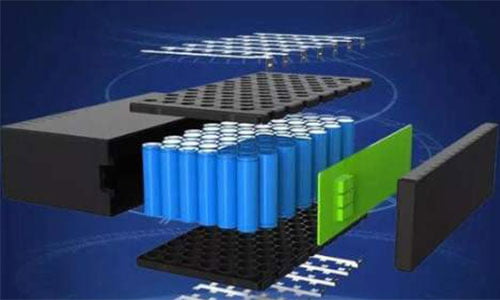
From a structural engineering perspective, the 40135 form factor reduces the complexity of the Battery Management System (BMS). Fewer cells are required to achieve the same pack voltage and capacity compared to smaller formats, which significantly reduces the number of welding points and interconnects. This reduction directly correlates to lower internal resistance across the pack and diminished failure rates. For an OEM, this means a streamlined assembly process and a lower probability of field failures due to connection inconsistencies. Furthermore, the larger surface area of the 40135 cell facilitates more efficient thermal dissipation, a critical factor when sustaining high discharge rates during acceleration or hill climbs. Engineers can explore the technical specifications of these advanced cells further at https://cnsbattery.com/products-3/cylindrical-battery-cell/.
LFP Chemistry: Safety and Longevity as Standard
Safety remains the paramount concern for electric motorcycle OEMs, particularly in dense urban environments where thermal runaway incidents can have devastating reputational consequences. LFP chemistry is inherently superior to NCM (Nickel Cobalt Manganese) in terms of thermal stability. The olivine structure of the lithium iron phosphate cathode is highly resistant to oxygen release, even under extreme conditions such as overcharging, short-circuiting, or physical puncture.
In the context of the 40135 LFP cell, this safety profile is combined with an impressive cycle life. High-quality 40135 cells are rated for over 3,000 full charge-discharge cycles while retaining significant capacity. For an electric motorcycle used in commercial delivery or daily commuting, this translates to a service life that matches or exceeds the vehicle’s chassis life. This longevity reduces the Total Cost of Ownership (TCO) for the end-user, a key selling point for OEMs marketing to fleet operators. Additionally, LFP cells maintain stable voltage platforms, providing consistent power delivery throughout the discharge curve, which enhances the riding experience by preventing sudden power drops near the end of the charge state.
Supply Chain Resilience and Fast Shipping Guarantees
Beyond technical specifications, the 2026 market demands logistical certainty. Global supply chain disruptions have taught OEMs that component availability is just as critical as component quality. Delays in battery delivery can halt production lines, leading to substantial financial losses and missed market windows.
Partnering with a manufacturer that guarantees fast shipping is no longer a luxury but a necessity. A reliable supply chain partner ensures that inventory levels are maintained through strategic warehousing and efficient logistics networks. This reliability allows OEMs to adopt lean manufacturing principles without the risk of stockouts. When evaluating potential partners, it is essential to verify their manufacturing capabilities and export compliance. Detailed insights into vetting reliable https://cnsbattery.com/battery-manufacturers-in-china/ can help technical purchasers distinguish between trading companies and genuine production facilities.
Conclusion: A Strategic Partnership for Future Growth
The transition to 40135 LFP cylindrical batteries is not merely a component swap; it is a strategic upgrade that addresses the core pain points of safety, performance, and supply chain stability. For electric motorcycle OEMs, this technology offers a pathway to build more reliable, longer-lasting, and safer vehicles that meet the rigorous demands of the 2026 consumer.
However, implementing this technology requires a partner who understands the nuances of high-power battery applications and can deliver on logistical promises. Whether you are looking for specific cell data or need to discuss custom pack integration, direct communication with your supplier is key. We invite engineering teams and procurement officers to reach out via our https://cnsbattery.com/contact-2/ page to discuss how our 40135 LFP solutions can optimize your next production run. By prioritizing technical excellence and logistical reliability, OEMs can secure their position in the competitive electric mobility market.