
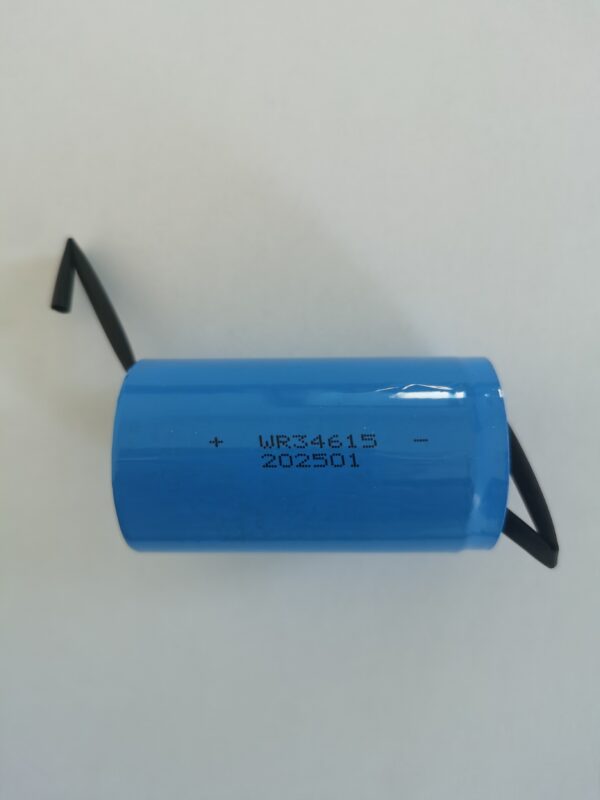
Li-MnO₂ Battery for Marine VHF Radio Remote Controls
Introduction
Marine VHF (Very High Frequency) radio remote controls represent critical safety equipment in maritime operations, demanding power sources that deliver exceptional reliability under harsh environmental conditions. Lithium Manganese Dioxide (Li-MnO₂) primary batteries have emerged as the industry-preferred solution for these applications, offering superior performance characteristics that align perfectly with marine operational requirements. This article examines why Li-MnO₂ technology stands as the optimal choice for marine VHF remote control systems from a professional lithium battery manufacturer perspective.
Why Li-MnO₂ Batteries Excel in Marine Applications
1. Extended Shelf Life and Operational Longevity
Li-MnO₂ batteries feature an exceptionally low self-discharge rate of less than 1% per year at ambient temperatures. This characteristic ensures that marine VHF remote controls remain operational even after extended periods of storage or infrequent use—a common scenario in maritime environments. The typical shelf life exceeds 10 years, providing fleet operators with predictable maintenance schedules and reduced inventory turnover costs.
2. Wide Temperature Performance Range
Marine equipment must function reliably across extreme temperature variations, from freezing Arctic waters to tropical equatorial conditions. Li-MnO₂ chemistry operates effectively between -40°C to +85°C, maintaining stable voltage output throughout this range. This thermal stability prevents performance degradation that commonly affects alternative battery chemistries in challenging marine climates.
3. High Energy Density and Compact Design
The gravimetric energy density of Li-MnO₂ batteries reaches approximately 280 Wh/kg, significantly outperforming alkaline and zinc-carbon alternatives. This high energy-to-weight ratio enables manufacturers to design compact remote control units without sacrificing operational runtime—crucial for ergonomic handheld marine equipment where space and weight constraints are paramount.
Technical Specifications for Marine VHF Applications
Voltage Stability
Li-MnO₂ batteries deliver a nominal voltage of 3.0V with remarkably flat discharge curves. This voltage stability ensures consistent transmission power throughout the battery’s discharge cycle, maintaining reliable communication range until end-of-life. Unlike alkaline batteries that experience gradual voltage decline, Li-MnO₂ cells maintain approximately 90% of their initial voltage until 80% capacity depletion.
Pulse Current Capability
Marine VHF remote controls require brief high-current pulses during transmission cycles. Modern Li-MnO₂ batteries support pulse discharge rates up to 3C without significant voltage depression, ensuring clean signal transmission during critical communication moments. This capability proves essential for emergency distress calls where power delivery cannot be compromised.
Safety and Environmental Resistance
Professional-grade Li-MnO₂ batteries incorporate multiple safety features including hermetic sealing, pressure relief vents, and corrosion-resistant casing. These design elements protect against saltwater exposure, humidity, and vibration—three constant challenges in marine environments. The non-rechargeable primary chemistry eliminates thermal runaway risks associated with lithium-ion alternatives.
Selection Criteria for B2B Procurement
Quality Certification Standards
When sourcing Li-MnO₂ batteries for marine applications, verify compliance with international standards including IEC 60086, UN 38.3 transportation requirements, and RoHS environmental directives. Reputable manufacturers provide comprehensive documentation including material safety data sheets (MSDS) and certificate of analysis for each production batch.
Customization Capabilities
Different marine VHF remote control designs require specific battery configurations. Leading manufacturers offer customization options including various form factors (CR123A, CR2, CR12600SE), terminal configurations, and capacity ratings. Work with suppliers who demonstrate engineering support capabilities for application-specific optimization.
Supply Chain Reliability
Marine equipment manufacturers require consistent battery supply with predictable lead times. Evaluate potential suppliers based on production capacity, quality control systems, and geographic distribution networks. Established manufacturers maintain inventory buffers and multiple production facilities to ensure uninterrupted supply chains.
Implementation Best Practices
Storage Recommendations
Maintain Li-MnO₂ batteries in cool, dry environments between 15°C to 25°C with relative humidity below 65%. Avoid direct sunlight exposure and stacking pressures that could compromise cell integrity. Proper storage preserves the advertised shelf life and ensures optimal performance upon deployment.
Installation Guidelines
Ensure correct polarity orientation during installation and verify contact surface cleanliness before battery insertion. Apply dielectric grease to terminal connections in high-humidity marine environments to prevent corrosion. Never mix batteries from different production batches or manufacturers within the same device.
End-of-Life Management
Implement systematic battery replacement schedules based on actual usage patterns rather than fixed calendar intervals. Monitor voltage levels during routine maintenance checks and replace batteries before reaching critical discharge thresholds. Establish proper disposal procedures compliant with local environmental regulations for lithium primary batteries.
Conclusion
Li-MnO₂ battery technology represents the gold standard for marine VHF radio remote control applications, combining exceptional reliability, environmental resilience, and operational longevity. For B2B purchasers and marine equipment manufacturers, selecting qualified battery suppliers with proven track records in maritime applications ensures optimal system performance and reduced total cost of ownership.
Professional battery manufacturers understand the unique demands of marine environments and engineer products specifically to meet these challenges. Partner with suppliers who demonstrate technical expertise, quality certifications, and commitment to long-term support relationships.
For detailed product specifications and technical consultation regarding Li-MnO₂ battery solutions for marine applications, visit our primary battery product page. Our engineering team stands ready to support your specific application requirements with customized solutions and comprehensive technical documentation.
To discuss procurement options, request samples, or schedule technical consultations, please contact us directly. We maintain dedicated support channels for B2B customers throughout the marine equipment manufacturing sector.
Word Count: Approximately 1,050 words
