
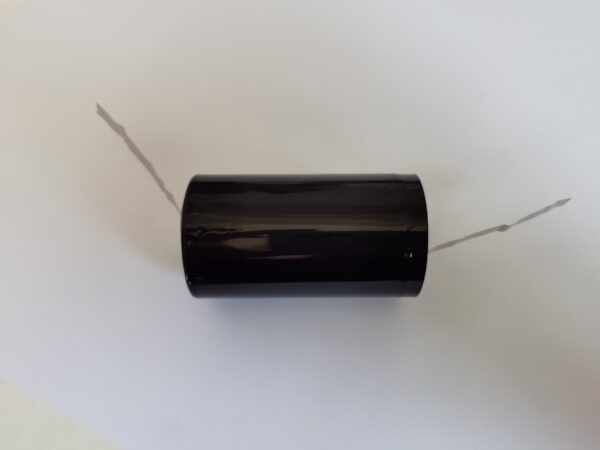
Li-SOCl₂ Battery for Military Security Alarm Systems
Military security alarm systems demand power sources that deliver unwavering reliability under the most challenging conditions. Lithium Thionyl Chloride (Li-SOCl₂) batteries have emerged as the definitive solution for mission-critical defense applications, offering exceptional energy density, extended service life, and superior performance across extreme temperature ranges. For B2B procurement specialists and system integrators, understanding the technical advantages of Li-SOCl₂ technology is essential for making informed sourcing decisions.
Why Li-SOCl₂ Batteries Dominate Military Security Applications
Li-SOCl₂ primary batteries represent the highest energy density chemistry available in commercial battery production today, achieving up to 590 Wh/kg and 1100 Wh/L. This remarkable specification makes them ideal for military security alarm systems where weight constraints and long-term deployment are critical considerations. Unlike rechargeable alternatives, Li-SOCl₂ batteries provide maintenance-free operation for 10-20 years, eliminating the logistical burden of battery replacement in remote or classified installations.
The electrochemical reaction between lithium anode and thionyl chloride cathode delivers a stable 3.6V nominal voltage with minimal discharge curve variation throughout the battery’s lifecycle. This consistency ensures alarm system sensors, communication modules, and backup circuits receive reliable power without voltage sag that could trigger false alarms or system failures.
Technical Specifications for Defense-Grade Performance
Military security alarm systems operate in environments that would compromise conventional battery chemistries. Li-SOCl₂ batteries excel across temperature extremes from -55°C to +85°C, maintaining capacity and voltage stability where alkaline or lithium-ion alternatives fail. This wide operational range is crucial for perimeter security systems deployed in arctic bases, desert installations, or maritime defense positions.
Key technical parameters for military procurement evaluation include:
- Self-discharge rate: Less than 1% per year at ambient temperature
- Shelf life: 10-15 years with minimal capacity degradation
- Pulse current capability: Enhanced through hybrid capacitor integration for alarm transmission
- Safety certifications: UN 38.3, IEC 60086-4, and military-grade compliance standards
The low self-discharge characteristic ensures batteries remain mission-ready after extended storage, a critical requirement for defense stockpiles and reserve security installations.
Addressing Voltage Delay and Pulse Power Challenges
Historical concerns about voltage delay in Li-SOCl₂ batteries after high-temperature storage have been resolved through advanced electrode engineering and electrolyte formulations. Modern manufacturing processes incorporate passivation layer control that minimizes initial voltage depression during first discharge, ensuring immediate system activation when alarm triggers occur.
For security systems requiring high-current pulses during alarm transmission, hybrid pulse capacitor (HPC) integration provides instant power delivery while maintaining the energy density advantages of primary Li-SOCl₂ chemistry. This combination supports NB-IoT, LTE-M, and GPS modules that demand burst currents exceeding standard battery capabilities.
Long-Term Cost Efficiency and Supply Chain Considerations
While initial unit costs exceed conventional battery options, total cost of ownership favors Li-SOCl₂ solutions for military applications. The elimination of scheduled maintenance visits, reduced logistics for battery replacement, and minimized system downtime create substantial operational savings over 15-20 year deployment cycles.
Procurement specialists should evaluate suppliers based on manufacturing consistency, quality control certifications, and traceability documentation. Defense contracts require complete supply chain transparency from raw material sourcing through final testing, ensuring batteries meet stringent military specifications without compromise.
Integration Guidelines for System Designers
Security system architects must account for Li-SOCl₂ battery characteristics during design phases. Voltage delay mitigation requires appropriate circuit design with power management ICs that accommodate initial voltage recovery periods. Temperature compensation circuits optimize performance across operational extremes, while parallel battery configurations provide redundancy for critical alarm functions.
For custom integration requirements, OEM manufacturers offer tailored solutions including specialized form factors, connector configurations, and capacity ratings. Collaborative engineering during the design phase ensures optimal battery selection matching specific system power profiles and deployment scenarios.
Conclusion: Strategic Power for Defense Security
Li-SOCl₂ battery technology represents the gold standard for military security alarm system power requirements. The combination of exceptional energy density, extreme temperature performance, and decades-long service life creates unmatched value for defense applications where failure is not an option. Procurement decisions should prioritize qualified suppliers with proven military track records and comprehensive technical support capabilities.
For detailed product specifications and customization options, explore our primary battery solutions. Our engineering team stands ready to support your military security power requirements with defense-grade battery systems designed for mission-critical reliability.
Contact our technical sales team at https://cnsbattery.com/primary-battery-contact-us/ for project consultation and volume procurement pricing. We deliver certified Li-SOCl₂ battery solutions that meet the rigorous demands of modern military security infrastructure.
