
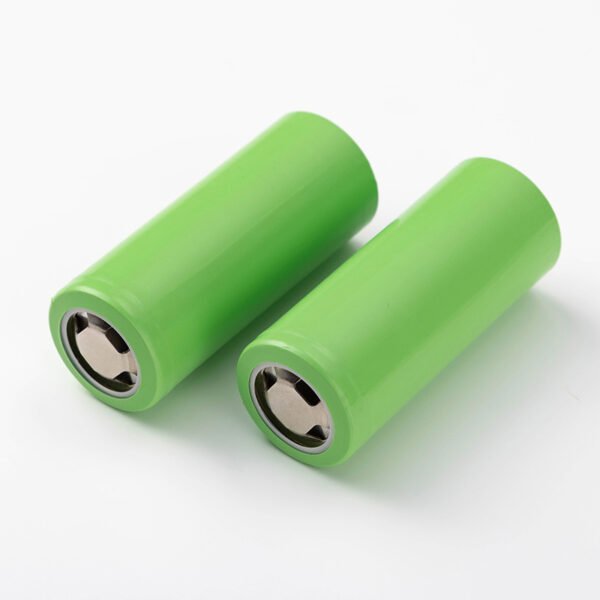
How to Choose Li-MnO₂ Battery for Wearable Medical Devices
Selecting the right power source for wearable medical devices is a critical engineering decision that directly impacts device reliability, patient safety, and product lifecycle. Among primary battery chemistries, Lithium Manganese Dioxide (Li-MnO₂) batteries have emerged as a preferred choice for medical wearables due to their stable voltage profile, high energy density, and proven safety record. This guide provides technical procurement professionals and engineers with essential criteria for evaluating Li-MnO₂ batteries in medical applications.
Understanding Li-MnO₂ Battery Technology
Li-MnO₂ batteries are lithium primary cells that utilize lithium metal as the anode and manganese dioxide as the cathode. The electrochemical reaction follows: Li + MnO₂ → LiMnO₂, producing a nominal voltage of 3.0V. Unlike rechargeable lithium-ion systems, Li-MnO₂ cells are non-rechargeable primary batteries designed for long-term, maintenance-free operation.
The chemistry offers several advantages for medical wearables:
- Stable discharge voltage throughout most of the battery lifecycle
- Low self-discharge rate (approximately 1-2% per year at room temperature)
- Wide operating temperature range (-40°C to +85°C)
- No memory effect and consistent performance until end-of-service
Key Selection Criteria for Medical Wearables
1. Capacity and Energy Density Requirements
Wearable medical devices such as continuous glucose monitors (CGM), ECG patches, and insulin pumps have varying power profiles. Engineers must calculate total energy requirements based on:
- Baseline current draw (sleep mode, typically microamps)
- Peak current demands (data transmission, sensor activation)
- Expected device lifetime (30 days to 3 years depending on application)
Li-MnO₂ batteries typically offer energy densities between 200-280 Wh/kg. For compact wearables, coin cell formats (CR2032, CR2450) provide 200-600 mAh capacity, while cylindrical cells can deliver 1500-3000 mAh for extended deployments.
2. Pulse Current Capability
Many medical wearables require periodic high-current pulses for wireless communication (Bluetooth Low Energy, NFC). Li-MnO₂ chemistry supports moderate pulse loads, but engineers should verify:
- Maximum continuous discharge current (typically 5-20 mA for coin cells)
- Pulse current rating (up to 50-100 mA for short durations)
- Voltage recovery time after pulse events
For applications exceeding these specifications, consider hybrid designs with supplemental capacitors or alternative chemistries like Li-SOCl₂ for higher pulse capability.
3. Safety and Regulatory Compliance
Medical devices face stringent regulatory requirements. When selecting Li-MnO₂ batteries, ensure compliance with:
- IEC 60086-4 (Safety of primary batteries)
- UN 38.3 (Transportation safety testing)
- ISO 13485 (Medical device quality management)
- FDA 21 CFR Part 820 (For US market devices)
Reputable manufacturers provide comprehensive documentation including Material Safety Data Sheets (MSDS), Certificate of Analysis (CoA), and traceability records essential for medical device submissions.
4. Environmental Performance
Wearable medical devices operate in diverse conditions. Evaluate battery specifications for:
- Operating temperature range matching clinical use cases
- Humidity resistance (important for skin-contact devices)
- Shock and vibration tolerance (daily wear scenarios)
- Leakage prevention (critical for patient safety)
Quality Li-MnO₂ cells feature hermetic sealing and corrosion-resistant construction to maintain integrity throughout the service life.
5. End-of-Service Prediction
Accurate battery monitoring prevents unexpected device failure. Li-MnO₂ batteries exhibit a characteristic voltage curve with gradual decline followed by rapid drop at end-of-life. Consider integrating:
- Voltage monitoring circuits for state-of-charge estimation
- Fuel gauge ICs compatible with lithium primary chemistry
- Early warning systems (10-15% capacity remaining alerts)
Devices like the BQ35100 provide dedicated lithium primary battery fuel gauge functionality for medical applications.
6. Supply Chain and Quality Assurance
For medical device manufacturers, supply chain reliability is paramount. Evaluate suppliers based on:
- Manufacturing consistency (lot-to-lot variation <5%)
- Quality certifications (ISO 9001, ISO 13485)
- Production capacity and lead times
- Technical support availability
Establish long-term partnerships with battery manufacturers who understand medical device requirements and can provide consistent quality across production volumes.
Technical Integration Considerations
When integrating Li-MnO₂ batteries into wearable medical designs:
- PCB layout: Minimize trace resistance for efficient power delivery
- Contact design: Ensure reliable electrical connection with appropriate contact force
- Battery compartment: Design for easy replacement while maintaining IP rating
- Thermal management: Account for heat generation during high-current operations
Conclusion
Li-MnO₂ batteries represent an optimal balance of performance, safety, and reliability for wearable medical devices. By systematically evaluating capacity requirements, pulse capabilities, regulatory compliance, environmental specifications, and supply chain factors, engineering teams can make informed decisions that support successful product development.
For technical specifications and customized battery solutions for medical applications, explore our comprehensive primary battery product range. Our engineering team is available to discuss your specific requirements and provide application-specific recommendations.
Contact our technical team at https://cnsbattery.com/primary-battery-contact-us/ for detailed consultation on Li-MnO₂ battery selection for your wearable medical device project.
This article provides general guidance for battery selection. Always consult with qualified engineers and conduct application-specific testing before finalizing battery choices for medical devices.
