21700 NCM Cells Supplier – High Reliability for Drone UAV Buyer’s Guide
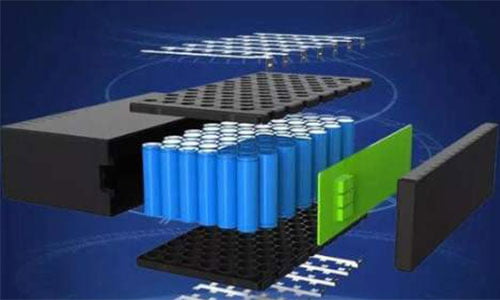
The rapid expansion of commercial and industrial drone applications has intensified demand for high-performance battery solutions. Among available options, 21700 NCM (Nickel Cobalt Manganese) cylindrical cells have emerged as the preferred choice for UAV manufacturers seeking optimal energy density, thermal stability, and operational reliability. This guide provides technical buyers and engineering teams with essential criteria for selecting a qualified 21700 NCM cells supplier capable of meeting stringent international compliance standards.
Technical Advantages of 21700 NCM Chemistry
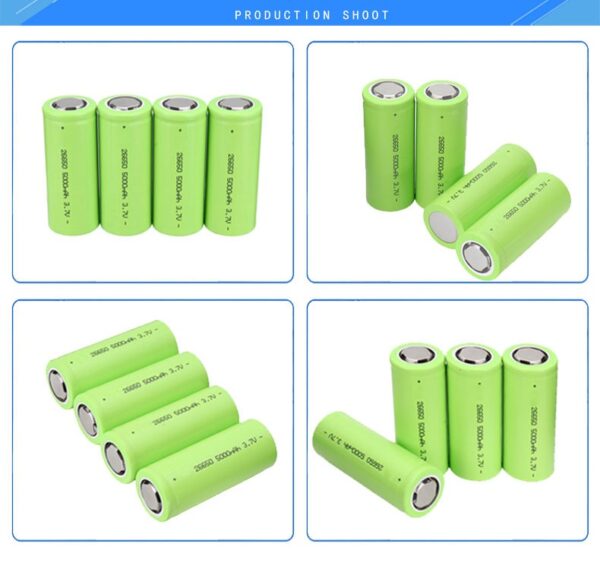
The 21700 form factor offers approximately 15-20% higher energy capacity compared to legacy 18650 cells, while maintaining compatible manufacturing infrastructure. NCM cathode chemistry delivers specific energy ranging from 250-280 Wh/kg, crucial for extending UAV flight time without compromising payload capacity. Key performance parameters include:
- Nominal Voltage: 3.6V-3.7V per cell
- Capacity Range: 4800mAh-5500mAh depending on manufacturer specifications
- Continuous Discharge Rate: 3C-10C for standard UAV applications
- Operating Temperature: -20°C to 60°C with optimized electrolyte formulations
- Cycle Life: 800-1200 cycles at 80% DOD under standard testing conditions
Advanced NCM formulations (NCM 811, NCM 622) provide enhanced thermal runaway resistance through ceramic-coated separators and reinforced cell casing structures, addressing critical safety concerns in aerial applications.
Validation Testing Protocols for UAV Applications
Reputable suppliers must demonstrate comprehensive testing capabilities aligned with international standards. Essential validation procedures include:
Electrical Performance Testing: Capacity verification, internal resistance measurement, and rate capability assessment under varying load profiles simulate real-world UAV operational cycles.
Environmental Stress Testing: Temperature cycling (-40°C to 85°C), humidity exposure (85% RH), and vibration testing per MIL-STD-810G ensure reliability across diverse deployment scenarios.
Safety Certification Testing: UN 38.3 transportation compliance, IEC 62133 secondary cell safety, and UL 1642 lithium battery standards form the baseline for market access in North American and European regions.
Cycle Life Validation: Accelerated aging tests at elevated temperatures (45°C-55°C) provide predictive data for field performance expectations over 2-3 year operational lifespans.
Geographic Compliance and Regional Market Adaptation
Global UAV manufacturers require suppliers with demonstrated capability to navigate regional regulatory frameworks. European market entry demands CE marking compliance with EN 62133 standards and REACH chemical substance regulations. United States distribution requires UL certification documentation and compliance with DOT hazardous materials transportation requirements.
Established Chinese battery manufacturers have developed specialized export compliance teams to streamline certification processes for target markets. This includes pre-testing at accredited laboratories, documentation preparation for customs clearance, and ongoing regulatory monitoring for standard updates.
For technical procurement teams evaluating potential partners, verify supplier credentials through factory audit reports, third-party testing certificates, and references from existing customers in your geographic region. Suppliers maintaining regional warehousing facilities demonstrate commitment to supply chain reliability and reduced lead times for Just-In-Time manufacturing operations.
Supply Chain Considerations for Volume Procurement
Scalability represents a critical selection criterion beyond technical specifications. Evaluate supplier production capacity, raw material sourcing transparency, and quality management system certifications (ISO 9001, IATF 16949 for automotive-grade requirements). Traceability systems tracking cell production batches enable effective recall management and quality investigation procedures.
Leading manufacturers offer customized BMS integration support, cell matching services for pack assembly, and technical documentation packages including SDS, test reports, and application engineering guidance.
Partner Selection Framework
When identifying your 21700 NCM cells supplier, prioritize manufacturers demonstrating proven track records in UAV applications, comprehensive testing infrastructure, and geographic compliance expertise. Request sample cells for independent validation before committing to volume orders.
For detailed product specifications and technical consultation, explore our cylindrical battery cell offerings designed for demanding aerial applications. Our manufacturing facilities maintain full compliance with international safety standards, supporting customers across European, North American, and Asian markets.
Connect with our engineering team to discuss your specific UAV battery requirements through our contact portal. We provide comprehensive technical support from initial cell selection through production ramp-up.
Learn more about our manufacturing capabilities and quality systems by reviewing our profile as one of the leading battery manufacturers in China, serving global OEM customers with reliable power solutions.
Technical specifications subject to variation based on specific cell model and application requirements. Always request current datasheets and certification documentation before finalizing procurement decisions.