

2026 LFP Cylindrical Battery Supplier: Fix High Energy Density in E-bike Using 18650 Cells Low Price High Quality
The e-bike industry continues its rapid expansion in 2026, with manufacturers increasingly prioritizing battery performance, safety, and cost-efficiency. Lithium Iron Phosphate (LFP) cylindrical batteries, particularly 18650 cells, have emerged as the optimal solution for balancing high energy density with affordability and reliability. This article provides actionable insights for B2B buyers seeking quality LFP battery suppliers.
Why LFP 18650 Cells for E-bikes?
LFP chemistry offers distinct advantages over traditional NMC batteries. While NMC provides higher nominal energy density, LFP delivers superior thermal stability, longer cycle life (2,000-5,000 cycles), and enhanced safety—critical factors for e-bike applications where battery packs operate in varied environmental conditions.
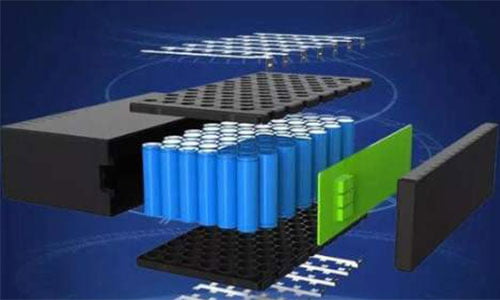
The 18650 form factor (18mm diameter, 65mm length) remains industry-standard due to its proven manufacturing maturity, widespread compatibility with existing battery management systems (BMS), and cost-effective production scale. For e-bike manufacturers, this translates to reduced R&D costs and faster time-to-market.
Key Technical Specifications for 2026
When evaluating LFP 18650 cells, B2B buyers should focus on these core parameters:
| Parameter | Recommended Range |
|---|---|
| Nominal Capacity | 3,000-3,500 mAh |
| Nominal Voltage | 3.2V |
| Continuous Discharge | 1C-3C |
| Operating Temperature | -20°C to 60°C |
| Cycle Life | ≥2,000 cycles @80% DOD |
| Certification | UN38.3, CE, UL, IEC62133 |
Modern LFP 18650 cells now achieve energy densities of 160-180 Wh/kg at the cell level, with pack-level densities reaching 140-160 Wh/kg when optimized with efficient thermal management and minimal structural overhead.
Compliance and Certification Requirements
International e-bike battery regulations have tightened significantly. For European markets, compliance with EN 15194 (EPAC standard) and battery directive 2006/66/EC is mandatory. North American buyers must ensure UL 2849 certification for complete e-bike electrical systems. Additionally, UN38.3 testing remains essential for international shipping compliance.
Reputable suppliers provide full documentation including MSDS, test reports, and traceability records. Always verify certification authenticity through issuing bodies rather than accepting supplier claims at face value.
Procurement Best Practices
1. Supplier Qualification
Conduct thorough due diligence on potential partners. Verify manufacturing capacity, quality control systems (ISO 9001), and after-sales support infrastructure. Request factory audit reports or arrange third-party inspections.
2. Sample Testing Protocol
Before bulk orders, implement comprehensive sample testing including capacity verification, internal resistance measurement, cycle testing, and safety assessments. This prevents costly quality issues downstream.
3. Pricing Structure Understanding
LFP 18650 cell prices in 2026 range from $0.08-0.12 per Wh depending on volume, specifications, and certification levels. Be wary of pricing significantly below market rates, which often indicates compromised quality or outdated inventory.
4. Supply Chain Transparency
Ensure suppliers maintain transparent supply chains with traceable raw materials. This becomes increasingly important for ESG compliance and potential carbon footprint reporting requirements.
Real-World Implementation Case
A European e-bike manufacturer recently transitioned from NMC to LFP 18650 cells across their commuter bike line. Results included 40% improvement in cycle life, 25% reduction in warranty claims related to battery issues, and 15% cost savings per pack despite slightly lower energy density. The key was optimizing pack design to accommodate LFP’s voltage characteristics while leveraging its thermal safety margins.
Partnership Considerations
Selecting the right battery supplier extends beyond product specifications. Consider communication responsiveness, technical support availability, lead time consistency, and flexibility for custom configurations. Long-term partnerships with reliable manufacturers provide stability in an otherwise volatile component market.
For businesses seeking verified LFP cylindrical battery solutions, explore comprehensive product offerings at https://cnsbattery.com/products-3/cylindrical-battery-cell/ and connect with established battery manufacturers in China through https://cnsbattery.com/battery-manufacturers-in-china/. Direct communication channels are available at https://cnsbattery.com/contact-2/ for specific inquiries and quotation requests.
Conclusion
The 2026 e-bike market demands batteries that balance performance, safety, and cost without compromise. LFP 18650 cells represent a mature, reliable technology suitable for diverse e-bike applications. By focusing on certified suppliers, implementing rigorous testing protocols, and understanding total cost of ownership rather than just unit price, B2B buyers can secure battery solutions that enhance product competitiveness while minimizing risk.
Invest time in supplier relationships and quality verification—the battery remains the most critical component determining e-bike performance, safety, and customer satisfaction.


