

High Energy Density 60110 Li-ion Cells for Drone – China Factory Direct Supplier
Introduction: Powering the Next Generation of UAV Technology
The drone industry continues to evolve at an unprecedented pace, with demand for extended flight time, increased payload capacity, and enhanced operational efficiency driving innovation in battery technology. Among various battery configurations, the 60110 cylindrical Li-ion cell has emerged as a critical power solution for professional and commercial UAV applications. As a leading China-based battery manufacturer, we specialize in delivering high energy density 60110 lithium-ion cells directly from factory to global engineering teams and procurement specialists.
This article provides comprehensive technical insights into 60110 Li-ion cells, their advantages for drone applications, and key considerations for technical buyers evaluating Chinese battery suppliers.
Understanding 60110 Cylindrical Cell Specifications
The 60110 designation refers to a cylindrical battery cell with 60mm diameter and 110mm length. This form factor offers an optimal balance between energy capacity and structural integrity for medium to large-scale drone platforms.
Key Technical Parameters
| Parameter | Typical Specification |
|---|---|
| Nominal Voltage | 3.6V – 3.7V |
| Capacity Range | 15Ah – 25Ah |
| Energy Density | 250-280 Wh/kg |
| Continuous Discharge | 3C – 5C |
| Peak Discharge | 10C – 15C |
| Operating Temperature | -20°C to 60°C |
| Cycle Life | 500-1000 cycles (80% DOD) |
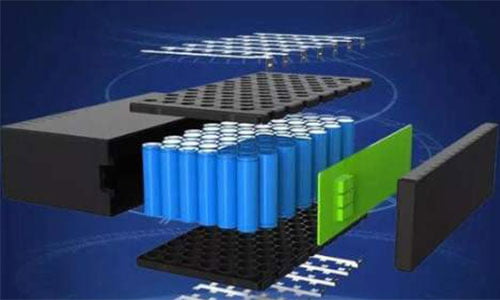
The larger form factor compared to standard 18650 or 21700 cells enables higher capacity per cell, reducing the total cell count required for battery packs. This simplifies battery management system (BMS) design and improves overall pack reliability.
Why 60110 Cells Excel in Drone Applications
1. Superior Energy Density for Extended Flight Time
High energy density remains the primary driver for drone battery selection. The 60110 cell architecture maximizes volumetric efficiency, enabling flight times of 45-90 minutes depending on payload and aircraft configuration. This represents a significant improvement over conventional battery solutions.
For VTOL (Vertical Take-Off and Landing) drones and delivery UAVs, every watt-hour counts. The 60110 format delivers approximately 40-50Wh per cell, allowing engineers to design compact battery packs without sacrificing capacity.
2. Enhanced Thermal Management
Larger cylindrical cells feature improved surface-area-to-volume ratios compared to pouch cells, facilitating better heat dissipation during high-discharge operations. This is critical for drone applications where sustained high-current draws occur during takeoff, climbing, and maneuvering.
Advanced electrode coatings and electrolyte formulations further enhance thermal stability, reducing the risk of thermal runaway under demanding operational conditions.
3. Structural Robustness for Harsh Environments
Cylindrical cells inherently provide superior mechanical strength compared to prismatic or pouch alternatives. The steel or aluminum casing protects internal components from vibration, shock, and environmental stress—essential qualities for drones operating in agricultural, surveillance, and logistics applications.
Critical Considerations for Technical Procurement
Manufacturing Quality and Certifications
When sourcing 60110 cells from Chinese manufacturers, verify the following credentials:
- UN38.3 Certification: Mandatory for international lithium battery transportation
- IEC 62133: Safety standards for portable sealed secondary cells
- ISO 9001: Quality management system certification
- CE/RoHS Compliance: Required for European market access
Reputable manufacturers maintain comprehensive testing facilities and provide detailed test reports for each production batch. Request sample cells for independent validation before committing to large-volume orders.
Supply Chain Transparency
Direct factory sourcing eliminates intermediary markups while ensuring traceability. Established Chinese battery manufacturers operate vertically integrated production lines, controlling everything from electrode coating to final cell assembly. This integration enables consistent quality control and faster response to custom specifications.
Explore our complete range of cylindrical battery cells designed for demanding UAV applications.
2026 Transportation Regulations Compliance
International aviation authorities have updated lithium battery transportation requirements effective January 2026. Key changes include:
- State of Charge (SoC) Limit: Maximum 30% SoC for air shipment of standalone lithium cells
- Enhanced Packaging Requirements: UN-certified packaging with proper hazard labeling
- Documentation: Updated air transport identification reports reflecting new IATA DGR 67th edition standards
Working with experienced manufacturers ensures compliance with these evolving regulations, preventing shipment delays and customs complications.
Performance Optimization Strategies
Cell Matching and Grouping
For multi-cell battery packs, maintain tight voltage and capacity matching tolerances (±10mV, ±50mAh). This minimizes cell imbalance during charge/discharge cycles, extending overall pack lifespan.
BMS Integration
A robust battery management system monitors individual cell voltage, temperature, and current. Advanced BMS features include:
- Active cell balancing
- Over-current protection
- Temperature-based charge rate adjustment
- State-of-health (SOH) estimation
Storage and Handling Best Practices
- Store cells at 40-60% SoC in temperature-controlled environments (15-25°C)
- Avoid prolonged storage above 80% SoC or below 20% SoC
- Implement first-in-first-out (FIFO) inventory management
Partnering with Chinese Battery Manufacturers
China has established itself as the global hub for lithium battery manufacturing, accounting for over 70% of worldwide production capacity. However, supplier quality varies significantly. Key evaluation criteria include:
- Production Capacity: Verify actual manufacturing capability versus claimed capacity
- R&D Investment: Leading manufacturers allocate 5-8% of revenue to battery technology development
- Export Experience: Established exporters understand international compliance requirements
- After-Sales Support: Technical assistance for pack integration and troubleshooting
For comprehensive information on qualifying Chinese battery suppliers, visit our resource on battery manufacturers in China.
Conclusion: Making the Right Choice for Your UAV Platform
The 60110 Li-ion cell represents a mature, high-performance solution for professional drone applications requiring extended flight time and reliable power delivery. Success depends on selecting qualified manufacturers who combine technical expertise with regulatory compliance and supply chain reliability.
Our engineering team stands ready to support your battery integration projects with custom specifications, technical documentation, and responsive customer service. Contact us directly to discuss your specific requirements and receive detailed quotations.
Ready to optimize your drone’s power system? Reach out through our contact page for personalized technical consultation and factory-direct pricing.
Technical specifications subject to change based on specific product configurations. All batteries must be handled by qualified personnel following applicable safety guidelines and local regulations.


