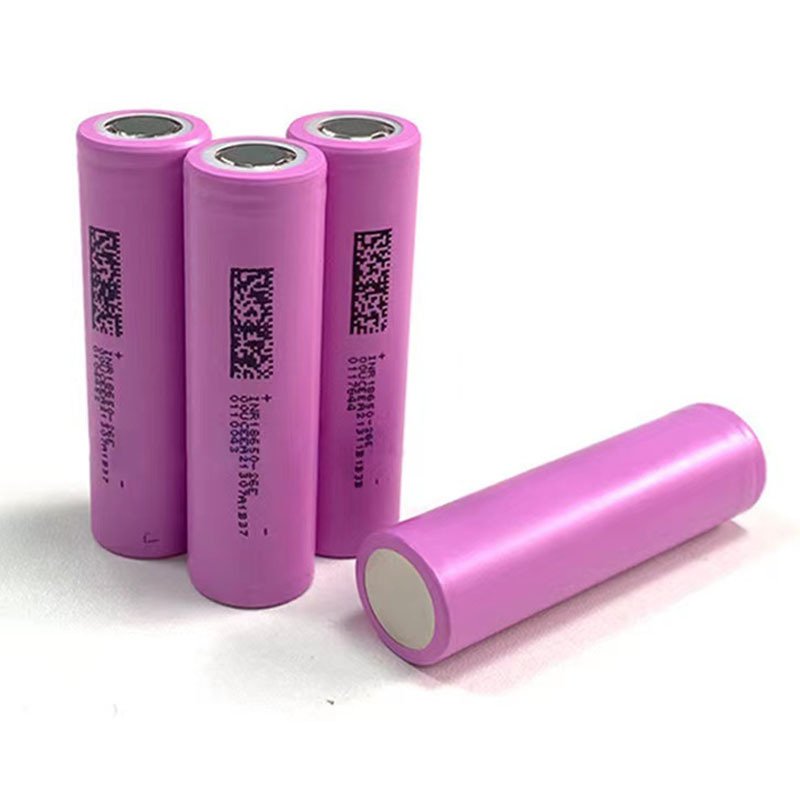
No Certification Gap Cylindrical Battery | CNS BATTERY
In the global lithium battery supply chain, certification compliance has become the decisive factor separating reliable manufacturers from high-risk suppliers. For B2B buyers sourcing cylindrical battery cells, understanding the “certification gap” phenomenon is critical to avoiding costly shipment delays, customs rejections, and liability exposures. At CNS BATTERY, we eliminate this gap entirely through comprehensive certification coverage across all international standards.
Understanding the Certification Gap Risk
The certification gap refers to discrepancies between claimed compliance and actual documented certification status. Industry data from 2024-2025 reveals that approximately 65% of lithium battery export returns stemmed from incomplete or outdated certification documentation. For cylindrical battery cells—widely used in power tools, e-mobility, energy storage systems, and consumer electronics—this risk is particularly acute due to stringent transportation regulations.
UN38.3 remains the cornerstone certification for lithium battery transportation. This United Nations standard mandates eight mandatory safety tests including altitude simulation, thermal cycling, vibration, shock, external short circuit, impact, overcharge, and forced discharge. Without valid UN38.3 documentation, batteries cannot be transported via air, sea, or land freight. Many suppliers claim compliance but fail to provide updated test reports aligned with 2026 revision requirements.
Core Certification Requirements for Cylindrical Cells
Professional buyers must verify multiple certification layers when evaluating cylindrical battery suppliers:
Transportation Certifications: UN38.3 test reports must cover both individual cells and assembled battery packs. The 2026 UN38.3 revision introduces stricter testing protocols for high-capacity cylindrical formats including 21700, 26650, and 32650 cells. Additionally, MSDS (Material Safety Data Sheet) and transportation identification reports are mandatory for customs clearance across North America, Europe, and Asia-Pacific regions.
Safety Certifications: IEC 62133 covers safety requirements for portable sealed secondary cells. UL 1642 applies specifically to lithium cells used in North American markets. For European distribution, CE marking with appropriate battery directive compliance is essential. These certifications validate electrical safety, mechanical integrity, and environmental resistance under defined test conditions.
Quality Management: ISO 9001 certification demonstrates systematic quality control throughout manufacturing processes. For automotive applications, IATF 16949 becomes mandatory. Environmental compliance through ISO 14001 indicates responsible manufacturing practices increasingly required by ESG-conscious buyers.
Technical Specifications Without Compliance Compromise
Cylindrical battery technology continues evolving with higher energy densities and improved safety features. Standard formats include 18650 (18mm diameter × 65mm length), 21700 (21mm × 70mm), and emerging 4680 configurations. Key technical parameters requiring certification validation include:
- Nominal Capacity: Ranging from 1500mAh to 6000mAh depending on cell format and chemistry
- Voltage Platform: Standard 3.6V/3.7V nominal with 4.2V maximum charge voltage for NCM/NCA chemistries
- Cycle Life: Minimum 500 cycles at 80% depth of discharge for consumer applications; 2000+ cycles for energy storage
- Operating Temperature: Typically -20°C to 60°C discharge, 0°C to 45°C charge
- Internal Resistance: Below 50mΩ for high-power applications
Each parameter requires documented testing under certified laboratory conditions. Suppliers claiming specifications without third-party verification create significant procurement risks.
Geographic Compliance Considerations
Different markets impose varying certification requirements. North American buyers should verify UL certification and DOT transportation compliance. European purchasers need CE marking with Battery Regulation (EU) 2023/1542 compliance, including carbon footprint declarations and recycled content documentation. Asia-Pacific markets often require local certifications such as KC (Korea), PSE (Japan), or CCC (China domestic).
For manufacturers serving multiple regions, maintaining parallel certification portfolios increases costs but ensures market access flexibility. CNS BATTERY maintains comprehensive certification coverage across all major markets, eliminating the need for buyers to manage multiple supplier relationships for different geographic requirements.
Supply Chain Transparency and Documentation
Professional procurement requires complete documentation trails. Essential documents include:
- Current UN38.3 test reports with valid dates
- MSDS sheets updated within two years
- Certificate of Compliance for each production batch
- Third-party laboratory test results
- Traceability records linking cells to raw material sources
Suppliers unable to provide complete documentation packages typically indicate certification gaps that may surface during customs inspection or customer audits.
Partner Selection Criteria
When evaluating cylindrical battery manufacturers, prioritize suppliers with:
- In-house testing laboratories with CNAS or ILAC accreditation
- Direct certification ownership rather than borrowed documentation
- Transparent communication about certification validity periods
- Proactive notification of standard updates affecting your products
- Established relationships with internationally recognized testing institutions
For detailed product specifications and certification documentation, visit our cylindrical battery cell product page. Our team maintains current certification portfolios covering UN38.3, IEC, UL, CE, and regional requirements across major markets.
Conclusion: Eliminating Certification Risk
The certification gap represents one of the most significant yet preventable risks in lithium battery procurement. By partnering with manufacturers maintaining comprehensive, current, and verifiable certification portfolios, B2B buyers can eliminate shipment delays, reduce compliance costs, and protect brand reputation. CNS BATTERY’s zero-gap certification approach ensures every cylindrical battery cell meets international standards without documentation deficiencies.
For certification verification and technical consultation, contact our professional team. We provide complete documentation packages with each shipment, ensuring seamless customs clearance and end-customer compliance. Learn more about our manufacturing capabilities and certification standards at battery manufacturers in China.
In an increasingly regulated global market, certification completeness is not optional—it’s the foundation of reliable battery supply chains. Choose partners who treat certification as core competency rather than afterthought.