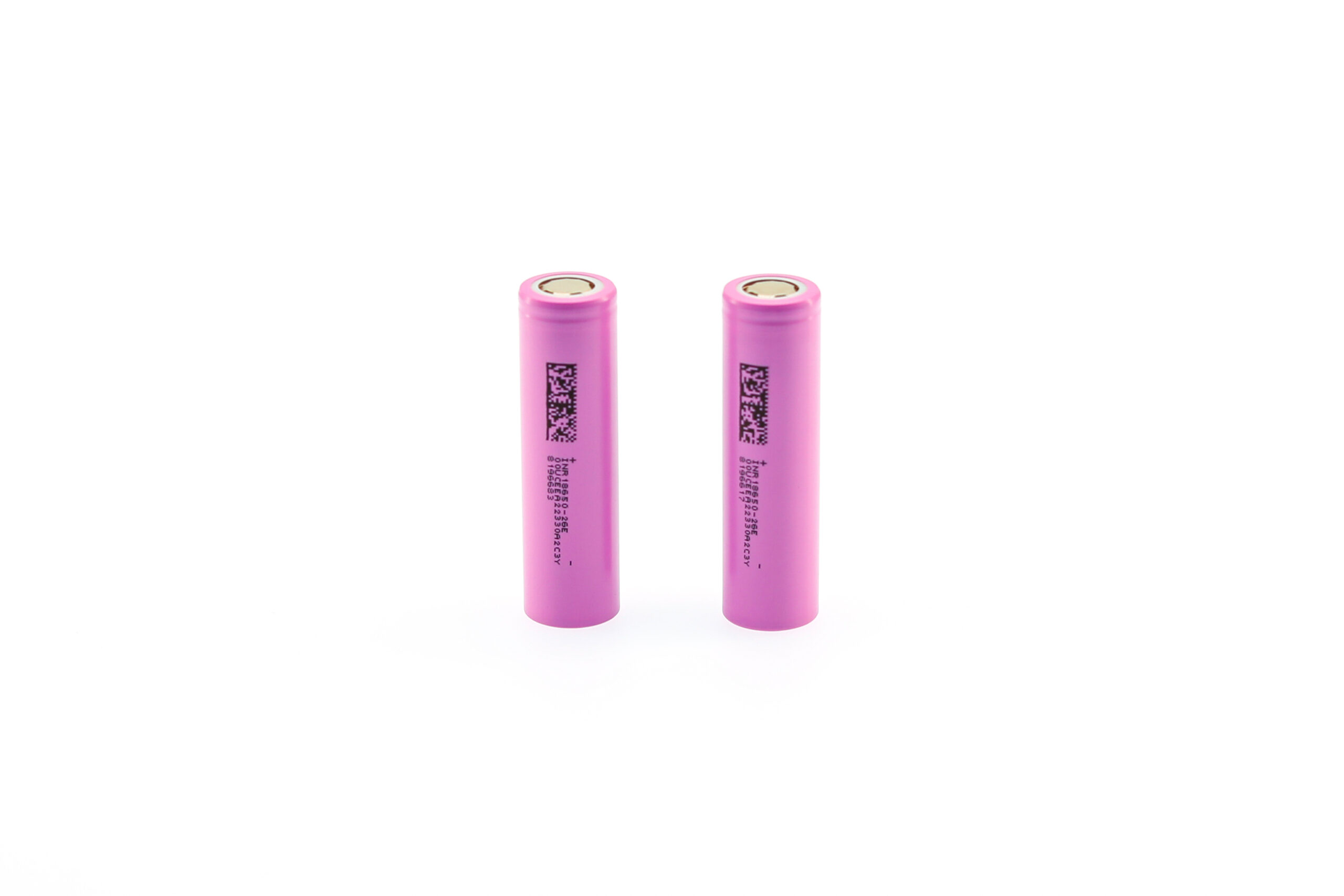
2026 LFP Cylindrical Battery Supplier: Fix Thermal Runaway Prevention in Electric Motorcycle Using 18650 Cells Low Price High Quality
The electric motorcycle industry is experiencing unprecedented growth in 2026, with lithium iron phosphate (LFP) cylindrical batteries emerging as the preferred power solution. However, thermal runaway remains a critical safety concern for engineers and procurement specialists evaluating 18650 cell configurations. This article addresses key prevention strategies while highlighting how reputable suppliers deliver low-price, high-quality battery solutions without compromising safety standards.
Understanding Thermal Runaway in 18650 LFP Cells
Thermal runaway occurs when excessive heat triggers uncontrollable exothermic reactions within battery cells. For 18650 cylindrical configurations commonly deployed in electric motorcycles, this phenomenon typically initiates at temperatures exceeding 150°C. LFP chemistry inherently offers superior thermal stability compared to NMC alternatives, with decomposition temperatures reaching approximately 270°C. Nevertheless, proper thermal management systems remain essential for preventing cascade failures in multi-cell packs.
The fundamental mechanism involves separator meltdown, electrolyte decomposition, and cathode material breakdown. When one cell experiences thermal abuse, adjacent cells in series-parallel configurations can rapidly propagate the failure. This makes cell-to-cell isolation and pack-level monitoring non-negotiable design requirements for motorcycle applications where vibration, ambient temperature fluctuations, and charging cycles create compounded stress factors.
Core Prevention Strategies for Electric Motorcycle Applications
1. Advanced Battery Management System (BMS) Integration
Modern BMS architectures must monitor individual cell voltages, temperatures, and current flow in real-time. For 18650 LFP packs, temperature sensors should be positioned at multiple points throughout the battery assembly, with particular attention to center cells that experience higher thermal accumulation. Active balancing capabilities prevent overcharging scenarios that commonly initiate thermal events during fast-charging operations.
2. Mechanical Protection and Cell Spacing
Proper cell spacing between 18650 units allows adequate heat dissipation while preventing physical contact during vibration events. High-quality suppliers implement fire-resistant barriers between cell groups, typically using mica sheets or ceramic-coated materials that withstand temperatures exceeding 1000°C. This physical isolation prevents thermal propagation even if individual cells experience internal failures.
3. Thermal Interface Materials and Cooling Systems
Phase-change materials (PCMs) and thermal conductive pads significantly improve heat distribution across battery packs. For electric motorcycles operating in tropical climates, passive air cooling combined with aluminum heat sinks provides sufficient thermal management for most LFP configurations. High-performance applications may require liquid cooling loops integrated directly into the battery housing structure.
Selecting the Right 2026 LFP Cylindrical Battery Supplier
When evaluating potential partners for electric motorcycle battery procurement, several critical factors distinguish reliable manufacturers from commodity suppliers. Quality certification standards including UN38.3, IEC62133, and UL1642 demonstrate commitment to international safety requirements. Manufacturing facilities should maintain ISO9001 quality management systems with traceable production records for each cell batch.
Reputable battery manufacturers in China have invested significantly in automated production lines that ensure consistent electrode coating thickness, precise electrolyte filling volumes, and rigorous formation cycling protocols. These process controls directly impact cell-to-cell consistency, which fundamentally determines pack-level thermal behavior and long-term reliability.
For detailed product specifications and technical documentation, engineers should review available cylindrical battery cell offerings that match their voltage, capacity, and discharge rate requirements. Leading suppliers provide comprehensive test data including cycle life performance at various C-rates, impedance characteristics across temperature ranges, and safety test results from nail penetration and overcharge evaluations.
Cost-Quality Balance in 2026 Market Conditions
The perception that low-price necessarily意味着 compromised quality represents an outdated understanding of modern battery manufacturing. Economies of scale, improved production efficiency, and mature LFP supply chains enable competitive pricing without sacrificing safety margins. However, procurement specialists must distinguish between legitimate cost advantages and dangerous corner-cutting practices.
Key indicators of acceptable cost-quality balance include transparent cell grading systems, warranty terms covering thermal-related failures, and availability of third-party testing reports. Suppliers willing to provide sample cells for independent validation demonstrate confidence in their product consistency and safety performance.
Implementation Roadmap for Engineering Teams
Successful thermal runaway prevention requires systematic approach from component selection through final pack integration. Engineering teams should establish clear thermal budget allocations during initial design phases, accounting for worst-case operating scenarios including ambient temperatures up to 55°C and continuous discharge rates matching motor peak power requirements.
Prototype validation must include abuse testing beyond standard certification requirements, simulating real-world failure modes specific to motorcycle applications. This includes vibration testing per ISO16750 standards, thermal cycling between -20°C and 60°C, and mechanical shock evaluation representing crash scenarios.
For technical consultation and customized battery solutions, engineering teams can reach suppliers directly through official contact channels to discuss specific application requirements and obtain detailed technical support documentation.
Conclusion
Thermal runaway prevention in electric motorcycle applications using 18650 LFP cells demands comprehensive approach spanning cell selection, pack design, BMS architecture, and thermal management systems. The 2026 market offers mature supply chains capable of delivering low-price, high-quality solutions when procurement teams prioritize verified manufacturers with proven safety track records. By implementing the prevention strategies outlined above and partnering with qualified suppliers, engineering teams can achieve optimal balance between performance, safety, and cost efficiency for next-generation electric motorcycle platforms.