
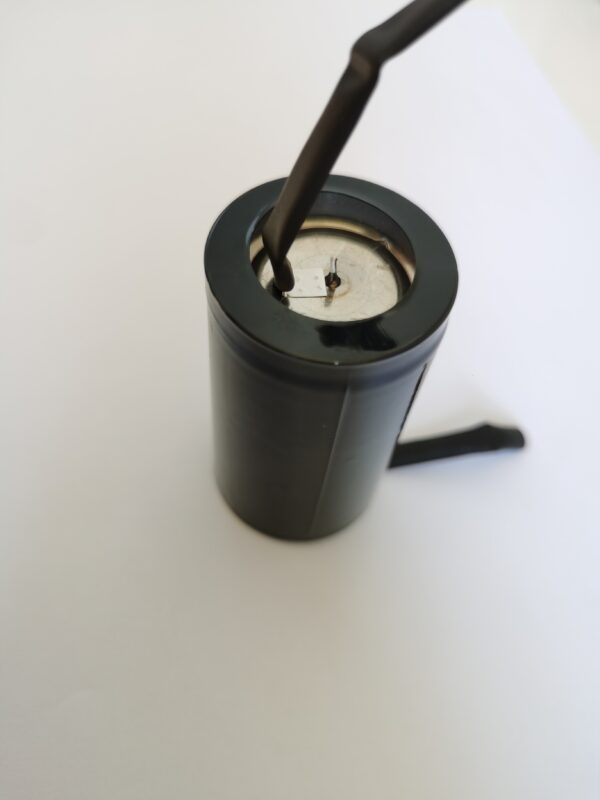
Li-MnO₂ Battery for Car Key Fobs & Keyless Entry Systems: A Technical Guide for Automotive Engineers
In the rapidly evolving automotive electronics landscape, reliable power solutions for car key fobs and keyless entry systems have become critical. Among various battery chemistries, Lithium Manganese Dioxide (Li-MnO₂) primary batteries have emerged as the industry standard for these applications. This article provides a comprehensive technical analysis for engineers and procurement professionals evaluating Li-MnO₂ batteries for automotive remote access systems.
Why Li-MnO₂ Chemistry Dominates Key Fob Applications
Li-MnO₂ batteries utilize a lithium metal anode and manganese dioxide cathode with an organic electrolyte system. This chemistry delivers a nominal voltage of 3.0V with an endpoint voltage of 2.0V, providing stable power output throughout the discharge cycle. For key fobs and passive entry systems, this voltage stability is paramount—ensuring consistent RF transmission power and reliable signal range over the battery’s entire service life.
The electrochemical reaction can be simplified as:
Li + MnO₂ → LiMnO₂
This single-electron transfer reaction produces minimal internal resistance, enabling the high pulse currents required when transmitting RF signals to vehicle receivers.
Critical Technical Specifications for Automotive Applications
Voltage Characteristics
Li-MnO₂ coin cells (such as the ubiquitous CR2032) maintain approximately 90% of their nominal voltage until 80% capacity depletion. This flat discharge curve is essential for keyless entry systems, where voltage drops could compromise transmission distance or cause intermittent failures.
Capacity and Energy Density
Standard CR2032 Li-MnO₂ batteries offer 220-240 mAh nominal capacity at typical discharge rates (0.2-1 mA continuous with periodic pulses). For key fobs drawing an average of 5-10 μA in standby mode with 10-30 mA transmission pulses, this translates to 3-5 years of operational life under normal usage conditions.
Operating Temperature Range
Quality Li-MnO₂ batteries operate reliably from -30°C to +60°C, covering extreme automotive environments from arctic cold starts to desert heat. This temperature tolerance exceeds most alternative chemistries, making Li-MnO₂ ideal for vehicles deployed across diverse climate zones.
Shelf Life and Self-Discharge
With annual self-discharge rates below 1%, Li-MnO₂ batteries maintain over 90% capacity after 10 years of storage. This characteristic is particularly valuable for automotive OEMs managing inventory and for replacement batteries in distribution channels.
Key Fob Power Consumption Profiles
Understanding the load profile is essential for proper battery selection:
| Operating Mode | Current Draw | Duration | Frequency |
|---|---|---|---|
| Standby (Sleep) | 1-5 μA | Continuous | 100% |
| Button Press Active | 10-30 mA | 100-500 ms | Variable |
| Passive Entry Scan | 5-15 mA | 1-2 seconds | Periodic |
For passive keyless entry systems (Keyless Go), which continuously scan for proximity, power consumption increases significantly. Engineers should specify batteries with enhanced pulse capability and verify capacity under actual load conditions rather than relying solely on nominal ratings.
Safety and Compliance Considerations
Li-MnO₂ batteries are classified as Dangerous Goods Class 9 (UN38.3) for transportation. Procurement teams must ensure suppliers provide proper certification documentation, including:
- UN38.3 test reports for air/sea transport
- MSDS (Material Safety Data Sheets)
- IEC 60086-4 safety compliance
- RoHS and REACH conformity
For automotive applications, additional qualifications may include AEC-Q200 component stress testing and ISO/TS 16949 manufacturing standards.
Selection Criteria for Engineering Teams
When evaluating Li-MnO₂ battery suppliers for key fob applications, consider:
- Pulse Current Capability: Minimum 10-30 mA pulse discharge without significant voltage sag
- Leakage Prevention: Advanced sealing technology to prevent electrolyte leakage in high-humidity environments
- Consistency: Tight capacity tolerance (±5%) across production batches
- Traceability: Full lot tracking for quality assurance and potential recalls
- Customization Options: Tab welding, special packaging, or modified dimensions for specific fob designs
Procurement Best Practices
For volume procurement, establish clear specifications including capacity testing methodology, storage conditions, and acceptance criteria. Request sample batches for validation testing before committing to large orders. Reputable manufacturers provide comprehensive technical support and can customize solutions for specific application requirements.
For detailed product specifications and technical consultation, visit our primary battery product page. Our engineering team can assist with application-specific battery selection and provide samples for validation testing.
Future Trends and Considerations
While Li-MnO₂ remains dominant, emerging keyless systems with enhanced features (biometric authentication, smartphone integration, UWB positioning) may require higher capacity solutions. Engineers should evaluate whether standard coin cells suffice or if custom Li-MnO₂ configurations offer better optimization for next-generation systems.
Additionally, sustainability considerations are increasingly influencing procurement decisions. Ensure suppliers demonstrate responsible sourcing of lithium and manganese materials, along with proper end-of-life recycling programs.
Conclusion
Li-MnO₂ primary batteries continue to represent the optimal balance of performance, reliability, and cost-effectiveness for car key fobs and keyless entry systems. Their stable voltage output, long shelf life, and wide temperature tolerance make them indispensable for automotive applications where failure is not an option.
For technical inquiries, customization requests, or partnership opportunities, please contact our battery specialists. We provide comprehensive support from initial specification through volume production, ensuring your automotive power requirements are met with precision and reliability.
This technical guide is intended for engineering and procurement professionals evaluating battery solutions for automotive remote access systems. Specifications may vary by manufacturer and should be verified against actual application requirements.
