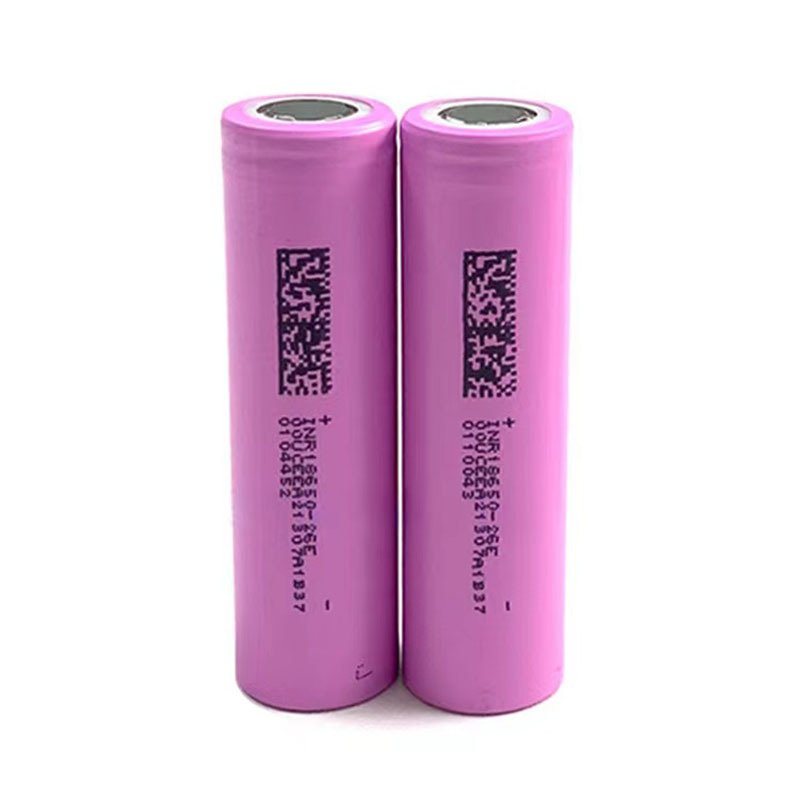
21700 LFP Battery Supplier: Perfect Cell Matching for E-bike Applications
The rapid expansion of the global e-bike market has intensified demand for reliable, high-performance battery solutions. Among various cylindrical cell formats, the 21700 LFP (Lithium Iron Phosphate) battery has emerged as the preferred choice for manufacturers seeking optimal balance between safety, cycle life, and cost efficiency. However, selecting the right supplier goes beyond specifications—it requires expertise in cell matching technology to ensure pack longevity and performance consistency.
Why 21700 LFP Cells Dominate E-bike Battery Design
The 21700 format offers approximately 35% more volume capacity compared to the legacy 18650 cells, translating to higher energy density without compromising thermal management. When combined with LFP chemistry, these cells deliver distinct advantages:
- Enhanced Safety: LFP chemistry features superior thermal stability with decomposition temperatures exceeding 270°C, significantly reducing thermal runaway risks
- Extended Cycle Life: Quality 21700 LFP cells achieve 2,000-3,000 full cycles at 80% depth of discharge, ideal for daily commuting applications
- Consistent Voltage Platform: The flat discharge curve (3.2V nominal) simplifies BMS design and state-of-charge estimation
For technical procurement teams evaluating suppliers, understanding cell matching protocols becomes critical for pack reliability.
The Science of Cell Matching: Beyond Basic Specifications
Cell matching represents the cornerstone of battery pack manufacturing quality. Even cells from the same production batch exhibit minor variations in capacity, internal resistance, and self-discharge rates. Without proper matching, these discrepancies amplify during operation, leading to premature pack failure.
Key Matching Parameters
1. Capacity Matching (±1% Tolerance)
Cells within a parallel group must have nearly identical capacities. A 2% capacity mismatch can cause the weaker cell to experience over-discharge during high-load scenarios, accelerating degradation. Premium suppliers implement automated grading systems that sort cells into 0.5% capacity bins before pack assembly.
2. Internal Resistance Matching (±2mΩ)
Internal resistance directly impacts heat generation and power delivery. Research indicates that parallel-connected cells with resistance variations exceeding 5mΩ experience uneven current distribution, with lower-resistance cells carrying disproportionate load. Advanced suppliers measure AC impedance at multiple frequencies to ensure consistent performance across temperature ranges.
3. Voltage Self-Discharge Matching
Cells must demonstrate consistent self-discharge characteristics (typically <3% per month at 25°C). Mismatched self-discharge rates cause voltage divergence during storage, requiring extensive rebalancing before pack commissioning.
Manufacturing Excellence: What Separates Tier-1 Suppliers
Leading battery manufacturers implement comprehensive quality control protocols throughout the production chain. From electrode coating uniformity to final formation cycling, each stage influences cell consistency.
Grade-A Cell Selection: Reputable suppliers reject cells failing any parameter specification, ensuring only premium-grade cells reach pack assembly. This contrasts with budget suppliers who may blend A and B-grade cells, compromising pack longevity.
Automated Matching Systems: Modern production lines utilize AI-driven sorting equipment that analyzes multiple parameters simultaneously, creating optimal cell groups for specific pack configurations. This technology reduces human error and ensures repeatable quality.
Traceability Requirements: Each cell should carry unique identification enabling full production history tracking. This capability proves essential for warranty claims and failure analysis.
For engineers seeking verified manufacturing partners with comprehensive quality systems, exploring established battery manufacturers in China provides valuable supply chain insights.
E-bike Specific Considerations
E-bike battery packs face unique operational challenges including vibration exposure, temperature fluctuations, and irregular charging patterns. The 21700 LFP format addresses these requirements through:
- Robust Mechanical Design: Steel casing withstands vibration stresses common in urban commuting
- Wide Temperature Operation: Quality LFP cells maintain performance from -20°C to 60°C ambient conditions
- Fast-Charging Compatibility: Low internal resistance enables 1C charging without significant capacity degradation
Procurement teams should request detailed test reports covering vibration testing (per UN38.3), cycle life validation, and thermal abuse scenarios before supplier qualification.
Selecting Your 21700 LFP Battery Partner
The difference between a 2-year and 5-year battery pack often lies in supplier selection criteria. Evaluate potential partners based on:
- Technical Documentation: Comprehensive datasheets with actual test data versus theoretical specifications
- Matching Capability: Documented cell sorting protocols and tolerance specifications
- Production Capacity: Ability to maintain consistent quality across large order volumes
- After-Sales Support: Engineering assistance for pack design optimization and failure analysis
For detailed product specifications and technical consultation, visit our cylindrical battery cell catalog featuring certified 21700 LFP options optimized for e-mobility applications.
Conclusion
The 21700 LFP battery represents the optimal solution for modern e-bike manufacturers prioritizing safety, longevity, and total cost of ownership. However, realizing these benefits requires partnership with suppliers who understand cell matching science and maintain rigorous quality standards. Technical teams should prioritize suppliers offering transparent testing data, automated matching systems, and comprehensive engineering support.
Ready to evaluate 21700 LFP solutions for your next e-bike project? Our engineering team stands ready to provide customized cell matching recommendations and sample testing. Contact us today to discuss your specific application requirements and receive detailed technical documentation.
This article provides technical guidance for battery procurement professionals. Specifications may vary by manufacturer. Always request current test certificates before production commitments.