

Buy Wholesale 40135 Lithium Ion Cylindrical Battery Cells Bulk: High Extended Warranty Performance for Solar Storage – Top 5 Problems & Solutions
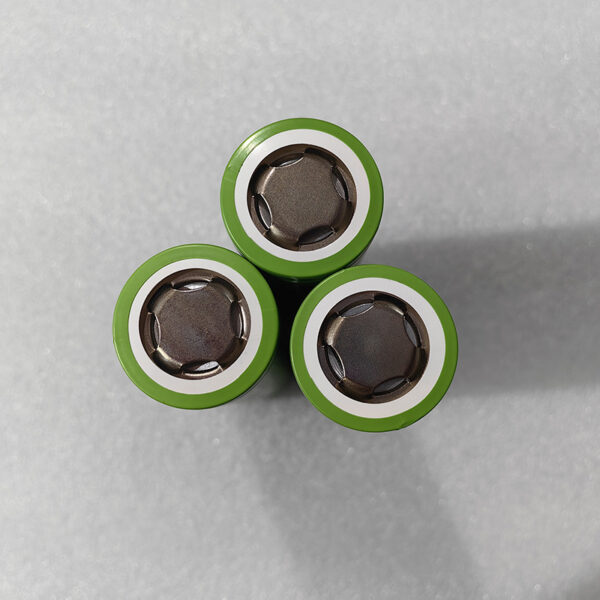
The global transition toward renewable energy has intensified demand for reliable energy storage solutions. Among various battery technologies, the 40135 lithium ion cylindrical battery cell has emerged as a preferred choice for solar storage applications. With dimensions of 40mm diameter and 135mm height, this large-format cylindrical cell delivers exceptional capacity (up to 20,000mAh) and robust performance characteristics. For engineers and technical purchasers seeking wholesale procurement options, understanding the core technical challenges and their solutions is critical for optimizing system reliability and return on investment.
Understanding 40135 Cylindrical Cell Technology
The 40135 specification represents a standardized large-format cylindrical lithium-ion cell design. The naming convention follows industry standards where “40” indicates the diameter in millimeters and “135” denotes the height. This form factor offers significant advantages for stationary energy storage, particularly in solar applications where high energy density and long cycle life are paramount.
From an electrochemical perspective, these cells typically utilize lithium iron phosphate (LiFePO4) or nickel manganese cobalt (NMC) cathode chemistry. The cylindrical geometry provides mechanical stability and efficient heat dissipation compared to prismatic or pouch cells. When procuring from established battery manufacturers in China, technical buyers should verify cell chemistry specifications, cycle life ratings, and thermal management requirements.
Top 5 Problems & Solutions in Solar Storage Applications
Problem 1: Thermal Management Challenges
Large-format cylindrical cells generate substantial heat during high-current charge and discharge cycles. Inadequate thermal management accelerates degradation and poses safety risks.
Solution: Implement active or passive cooling systems with temperature monitoring integrated into the battery management system (BMS). Maintain operating temperatures between 15°C and 35°C for optimal performance. Proper cell spacing and thermal interface materials enhance heat dissipation across battery packs.
Problem 2: Cell Voltage Imbalance
When multiple 40135 cells are connected in series, slight variations in capacity and internal resistance cause voltage imbalance over time. This reduces usable capacity and accelerates degradation of weaker cells.
Solution: Deploy advanced BMS with active cell balancing capabilities. The BMS continuously monitors individual cell voltages and redistributes energy from higher-voltage cells to lower-voltage ones. For detailed cylindrical battery cell specifications, review balancing current ratings and voltage tolerance thresholds.
Problem 3: Overcharge and Over-discharge Protection
Lithium-ion chemistry is sensitive to voltage extremes. Overcharging beyond 4.2V per cell (for NMC) or over-discharging below 2.5V causes irreversible damage and potential thermal runaway.
Solution: Integrate multi-level protection circuits within the BMS architecture. Primary protection includes voltage cutoff thresholds, while secondary protection incorporates fuses and contactors. Extended warranty programs often require certified protection systems meeting IEC 62619 standards.
Problem 4: Cycle Life Degradation in Variable Load Conditions
Solar storage systems experience irregular charge and discharge patterns based on weather conditions and energy consumption. This variability stresses battery chemistry and reduces expected cycle life.
Solution: Implement smart charging algorithms that adjust charge rates based on temperature and state of charge (SOC). Limit depth of discharge (DOD) to 80% for applications prioritizing longevity. Quality cells from verified suppliers typically deliver 3,000-6,000 cycles at 80% DOD.
Problem 5: Quality Consistency in Bulk Procurement
Wholesale purchases involve thousands of cells. Manufacturing variations between production batches can compromise pack performance and warranty validity.
Solution: Establish rigorous incoming quality control protocols including capacity testing, internal resistance measurement, and visual inspection. Partner with manufacturers offering batch traceability and comprehensive warranty terms. Direct communication channels with suppliers facilitate technical support and warranty claims processing through official contact pathways.
Technical Considerations for Wholesale Buyers
When evaluating wholesale 40135 lithium ion cylindrical battery cells, technical purchasers should prioritize the following parameters:
- Nominal Capacity: Verify rated capacity at specified C-rates and temperatures
- Internal Resistance: Lower resistance indicates better power delivery and efficiency
- Cycle Life Rating: Confirm testing conditions match your application profile
- Safety Certifications: Ensure compliance with UN38.3, CE, IEC, and regional standards
- Warranty Terms: Understand coverage scope, duration, and claim procedures
Conclusion
The 40135 lithium ion cylindrical battery cell represents a mature technology solution for solar energy storage applications. By addressing the five core challenges outlined above through proper system design, quality BMS integration, and strategic supplier partnerships, engineers and procurement teams can maximize system reliability and total cost of ownership. Extended warranty performance depends fundamentally on adherence to manufacturer specifications and operational best practices throughout the battery lifecycle.
For technical specifications, bulk pricing inquiries, and warranty documentation, engage directly with qualified manufacturers who maintain transparent communication channels and comprehensive after-sales support infrastructure.


