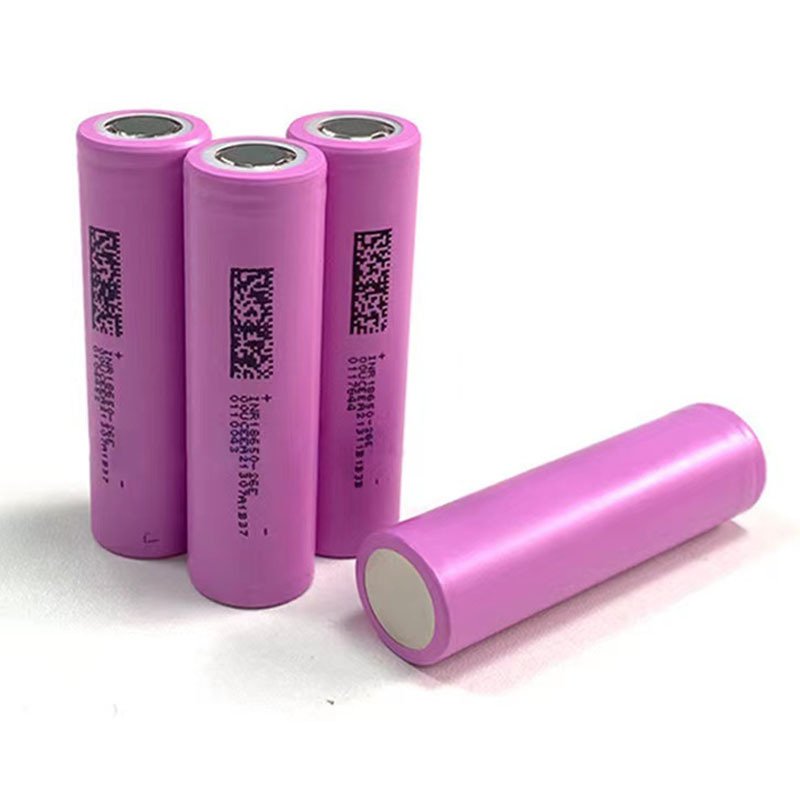
Factory Direct 18650 LFP Cells China Export: Navigating Certification and OEM Custom Solutions
In the rapidly evolving landscape of renewable energy, the demand for reliable energy storage solutions has surged. Business clients seeking Factory Direct 18650 LFP Cells China Export options often encounter complex queries regarding certification standards. A common search intent involves finding cost-effective solutions, sometimes phrased as “No UN38.3 UL CE Certified,” indicating a desire for flexible OEM custom solutions for solar storage projects. However, from a professional lithium battery practitioner’s perspective, understanding the nuance between transport regulations, product safety, and OEM flexibility is critical for project success.
Understanding the Certification Landscape for LFP Cells
Lithium Iron Phosphate (LFP) chemistry is renowned for its thermal stability and long cycle life, making it ideal for solar storage. However, exporting these cells from China requires strict adherence to international standards.
1. UN38.3: The Non-Negotiable Transport Standard
Contrary to some misconceptions, UN38.3 is not merely a product quality certificate; it is a mandatory safety test for the transportation of lithium batteries by air, sea, or land. According to recent 2025-2026 regulatory updates, customs authorities globally are tightening inspections. Shipments without valid UN38.3 test reports face high risks of detention or return. For B2B clients, ensuring your logistics partner handles UN38.3 compliance is essential, even if the cells are sold as raw materials for OEM integration.
2. UL and CE: Market Access vs. Manufacturing
While UN38.3 covers transport, UL (Underwriters Laboratories) and CE (Conformité Européenne) certifications validate product safety for specific markets (North America and Europe, respectively). In OEM Custom Solutions, the certification responsibility often shifts. A factory may provide cells that are capable of passing these tests, but the final battery pack certification depends on the BMS (Battery Management System) and assembly quality. This distinction allows for flexible sourcing where clients manage final compliance, potentially reducing upfront costs while maintaining safety standards.
Advantages of Factory Direct Sourcing for Solar Projects
Sourcing directly from established manufacturers offers significant advantages for large-scale solar storage projects.
- Cost Efficiency: Eliminating intermediaries reduces the cost per watt-hour, crucial for margin-sensitive energy projects.
- Technical Customization: Direct factories can adjust cell capacity, discharge rates, and dimensions to fit specific enclosure designs.
- Supply Chain Transparency: Direct communication ensures clarity on cell grading, production dates, and warranty terms.
For clients exploring 18650 cylindrical battery cell options, verifying the manufacturer’s production capability is key. Reputable suppliers maintain consistent quality control, ensuring that even cells intended for custom OEM integration meet baseline safety performance. You can explore specific cylindrical cell specifications at https://cnsbattery.com/products-3/cylindrical-battery-cell/ to match your technical requirements.
OEM Custom Solutions: Balancing Flexibility and Compliance
The phrase “No UN38.3 UL CE Certified” in search queries often reflects a need for raw cell sourcing where the integrator handles final certification. This is a viable strategy for experienced OEMs who have their own testing labs and certification pathways.
Key Considerations for OEMs:
- Cell Consistency: Ensure the factory provides cells with low internal resistance variance to simplify pack balancing.
- Safety Data: Always request MSDS (Material Safety Data Sheet) alongside shipping documents.
- Logistics Planning: Work with freight forwarders experienced in Dangerous Goods (DG) to handle UN38.3 documentation for shipment, even if the cells themselves are not pre-certified for retail sale.
For businesses seeking reliable partners who understand these nuances, connecting with verified battery manufacturers in China is the first step. Professional manufacturers can guide you on which certifications are mandatory for your target market and which can be managed during the integration phase. Learn more about vetting suppliers at https://cnsbattery.com/battery-manufacturers-in-china/.
Technical Best Practices for LFP Integration
When integrating 18650 LFP cells into solar storage systems, technical rigor ensures longevity.
- BMS Compatibility: LFP cells have a flat voltage curve. A high-quality BMS is essential for accurate State of Charge (SOC) estimation.
- Thermal Management: Although LFP is safer than NCM, proper thermal design prevents performance degradation in extreme climates.
- Cycle Life Optimization: Avoid deep discharges below 2.5V to maximize the 2000+ cycle life potential of LFP chemistry.
Conclusion
Navigating the export of 18650 LFP cells requires a clear understanding of regulatory requirements versus OEM flexibility. While transport safety (UN38.3) is mandatory, product certifications (UL/CE) can be managed through custom OEM pathways depending on the project scope. Partnering with a transparent factory ensures you get the best of both worlds: competitive pricing and compliance support.
For further consultation on custom battery solutions or to discuss your specific project requirements, please reach out through our official contact channel at https://cnsbattery.com/contact-2/. Prioritizing safety and compliance while leveraging factory-direct efficiencies is the cornerstone of a successful solar storage deployment.