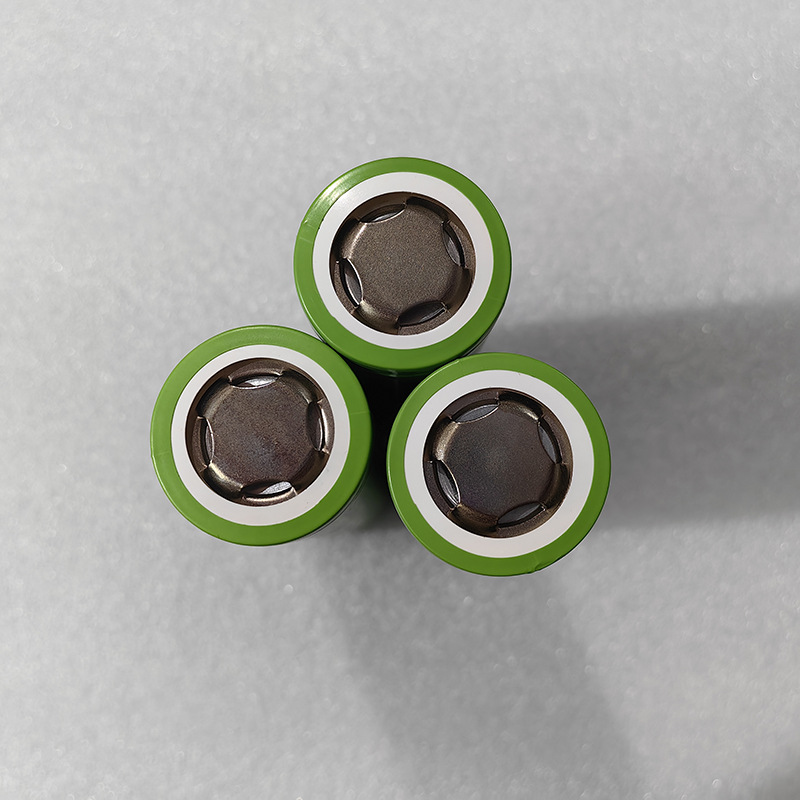
Low Temperature Performance 18650 LFP Cells for Power Tools – OEM Custom Solutions
In the rapidly evolving landscape of portable power tools, battery performance under extreme conditions remains a critical differentiator. Among various chemistries, 18650 LFP (Lithium Iron Phosphate) cells have emerged as a reliable choice for manufacturers seeking safety, longevity, and consistent output. However, low-temperature performance presents unique engineering challenges that demand specialized OEM custom solutions. This article explores the technical considerations, performance characteristics, and customization pathways for deploying 18650 LFP cells in power tool applications operating in cold environments.
Understanding LFP Chemistry in Cold Conditions
Lithium Iron Phosphate chemistry offers inherent advantages including thermal stability, extended cycle life exceeding 2000+ charges, and reduced thermal runaway risks. However, like all lithium-ion technologies, LFP cells experience performance degradation at sub-zero temperatures. The primary mechanism involves increased internal resistance and reduced lithium-ion mobility within the electrolyte, resulting in diminished discharge capacity and voltage sag under load.
At -20°C, standard LFP cells may retain only 60-70% of their room-temperature capacity. For power tools requiring high current bursts during operation, this limitation becomes particularly pronounced. Professional-grade applications demand engineered solutions that maintain acceptable performance thresholds even in freezing conditions.
Key Technical Parameters for Cold Weather Operation
When evaluating 18650 LFP cells for low-temperature power tool applications, several critical parameters require careful assessment:
1. Discharge Rate Capability: Power tools typically require 5C-10C discharge rates. Cold temperatures increase internal impedance, potentially limiting peak current delivery. OEM specifications should account for temperature-compensated discharge curves.
2. Charging Temperature Windows: LFP cells generally should not be charged below 0°C without preheating mechanisms. Integrated battery management systems (BMS) must incorporate temperature monitoring and charging inhibition protocols to prevent lithium plating.
3. Thermal Management Integration: Custom pack designs may incorporate passive or active heating elements to maintain optimal operating temperatures during cold-weather use.
4. Electrolyte Formulation: Advanced electrolyte additives can improve low-temperature ionic conductivity, though this often involves trade-offs with high-temperature stability.
OEM Customization Pathways
Leading battery manufacturers offer comprehensive customization services tailored to specific power tool requirements. Custom solutions may include modified cell formulations, specialized BMS programming, and integrated thermal management systems. For engineers seeking reliable supply chains, partnering with established battery manufacturers in China provides access to scalable production capabilities and technical support infrastructure.
When sourcing 18650 cylindrical cells, verify manufacturer certifications including IEC 62133, UN 38.3, and relevant regional compliance standards. Custom OEM partnerships enable specification of capacity ratings, discharge profiles, and connector configurations aligned with your power tool platform architecture. Explore available cylindrical battery cell options to identify formulations optimized for your operating temperature range.
Performance Optimization Strategies
Achieving acceptable low-temperature performance requires system-level engineering approaches:
Preheating Circuits: Implement resistive heating elements activated during initial power-up to bring cells within optimal temperature ranges before high-current discharge.
Capacity Derating: Design tool specifications accounting for 30-40% capacity reduction at -10°C to ensure runtime expectations remain realistic.
Parallel Configurations: Increasing parallel cell counts reduces individual cell current demands, mitigating voltage sag during cold-weather operation.
Smart BMS Algorithms: Deploy temperature-compensated state-of-charge calculations and dynamic current limiting to protect cells while maximizing available power.
Quality Assurance and Testing Protocols
Reputable OEM partners conduct comprehensive environmental testing including thermal cycling, vibration resistance, and extended cold-storage evaluations. Request detailed test reports documenting performance at -20°C, -10°C, 0°C, and 25°C across various discharge rates. Validation should include cycle-life testing under temperature-stressed conditions to ensure long-term reliability.
Supply Chain Considerations
Global power tool manufacturers increasingly prioritize supply chain resilience alongside technical specifications. Evaluate potential partners based on production capacity, lead times, quality control systems, and after-sales technical support. Establish clear communication channels for engineering collaboration throughout product development cycles.
For detailed technical consultations and custom solution inquiries, reach out through the official contact page to connect with engineering teams capable of addressing specific application requirements.
Conclusion
Low-temperature performance remains a defining challenge for 18650 LFP cells in power tool applications. Through strategic OEM partnerships, customized cell formulations, and intelligent battery management systems, manufacturers can deliver reliable performance across diverse operating environments. Success requires balancing technical specifications with practical engineering constraints while maintaining cost-effectiveness for commercial viability.
As the power tool industry continues demanding longer runtime, faster charging, and broader temperature tolerance, LFP technology evolves through continuous innovation. Engineers and procurement specialists should prioritize partnerships offering both technical expertise and manufacturing scalability to navigate these complex requirements effectively.
Technical specifications and performance characteristics vary by manufacturer and specific cell formulation. Always consult detailed datasheets and conduct application-specific validation before finalizing design decisions.