Ultimate Guide to 18650 LFP Cells for ESS 2026 – Complete Fast Charging Without Heat Focus
Introduction
As we advance into 2026, Lithium Iron Phosphate (LFP) 18650 cells have emerged as the cornerstone technology for Energy Storage Systems (ESS). With safety, longevity, and cost-effectiveness at the forefront of industrial requirements, understanding the technical advantages of 18650 LFP chemistry is essential for engineers and technical procurement specialists worldwide. This comprehensive guide explores the critical aspects of deploying 18650 LFP cells in ESS applications, with particular emphasis on fast-charging capabilities and thermal management strategies.
Why 18650 LFP Cells Dominate ESS Applications in 2026
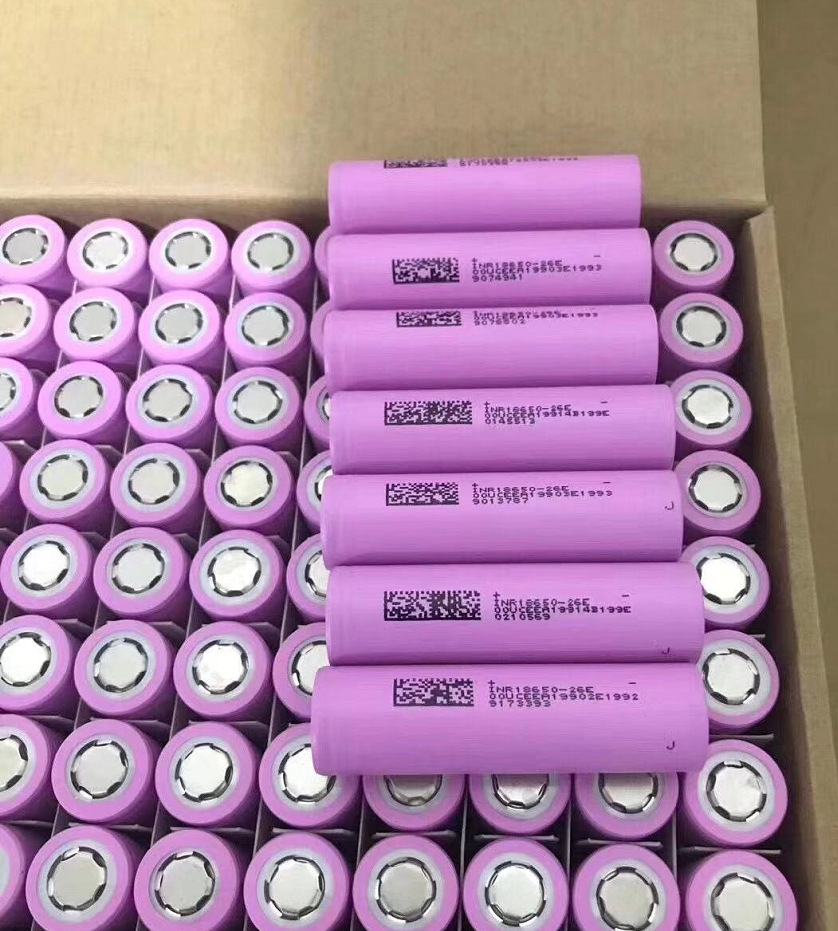
The 18650 form factor—18mm diameter and 65mm length—represents one of the most mature cylindrical battery standards in the industry. When combined with LFP chemistry, these cells deliver exceptional performance characteristics:
Safety First: LFP chemistry offers superior thermal stability compared to NMC or NCA alternatives. The olivine crystal structure provides inherent resistance to thermal runaway, making 18650 LFP cells ideal for large-scale ESS installations where safety cannot be compromised.
Extended Cycle Life: Modern 18650 LFP cells routinely achieve 3,000-5,000 full cycles at 80% depth of discharge, significantly outperforming traditional lithium-ion variants. This translates to lower total cost of ownership over the system lifetime.
Cost Efficiency: With cobalt-free chemistry and established manufacturing processes, 18650 LFP cells offer competitive pricing without sacrificing performance metrics critical for ESS deployments.
Fast Charging Technology: Breaking Traditional Barriers
The 2026 landscape has witnessed remarkable advances in fast-charging protocols for 18650 LFP cells. Leading manufacturers now support charging rates up to 2C-3C while maintaining cell integrity and longevity.
Key Technical Considerations:
- Voltage Management: LFP cells operate at a nominal voltage of 3.2V with a charging cutoff at 3.6V. Precise voltage monitoring during fast charging prevents overcharging and ensures optimal cell health.
- Current Distribution: Uniform current distribution across parallel cell strings minimizes imbalance and reduces stress on individual cells during high-rate charging scenarios.
- State of Charge Optimization: Implementing smart charging algorithms that adjust charging rates based on SOC levels maximizes charging speed while protecting cell chemistry. Recent innovations allow 80% capacity recovery within 20-30 minutes under controlled conditions.
Thermal Management: The Critical Success Factor
Heat generation remains the primary challenge in fast-charging 18650 LFP cells for ESS applications. Effective thermal management directly impacts performance, safety, and cycle life.
Advanced Cooling Strategies:
- Air Cooling Systems: Suitable for moderate power applications, forced air circulation maintains cell temperatures within the optimal 15-35°C range.
- Liquid Cooling Integration: For high-power ESS installations, liquid cooling plates provide superior heat dissipation, enabling sustained fast-charging operations without thermal degradation.
- Phase Change Materials: Emerging PCM technologies absorb excess heat during charging peaks, releasing it gradually during discharge cycles.
Temperature Monitoring: Distributed temperature sensors across battery packs enable real-time thermal mapping, allowing BMS systems to dynamically adjust charging parameters based on localized heat conditions.
BMS Integration and System Design
A robust Battery Management System serves as the intelligence hub for 18650 LFP ESS installations. Key BMS functions include:
- Cell balancing across series and parallel configurations
- Real-time monitoring of voltage, current, and temperature
- State of Health (SOH) and State of Charge (SOC) estimation
- Fault detection and protective shutdown mechanisms
Proper BMS integration ensures that fast-charging protocols operate within safe parameters while maximizing energy throughput.
Sourcing Quality 18650 LFP Cells
When selecting 18650 LFP cells for ESS projects, procurement specialists must evaluate manufacturer credentials, quality certifications, and technical support capabilities. Established Chinese battery manufacturers have demonstrated consistent quality in cylindrical cell production, offering competitive solutions for global ESS markets.
For comprehensive product specifications and technical documentation, visit our cylindrical battery cell catalog. Working with verified battery manufacturers in China ensures access to quality-assured cells meeting international standards.
Implementation Best Practices
Module Design: Group cells into modules with adequate spacing for thermal management. Standard configurations include 4S-16P or 8S-32P arrangements depending on system voltage requirements.
Testing Protocols: Implement comprehensive testing including capacity verification, internal resistance measurement, and thermal cycling before system deployment.
Maintenance Schedules: Regular inspection and balancing maintenance extends system lifespan and maintains optimal performance throughout the operational lifecycle.
Conclusion
The 18650 LFP cell represents a mature, reliable solution for 2026 ESS applications. With proper thermal management, advanced BMS integration, and quality cell sourcing, organizations can deploy fast-charging energy storage systems that deliver exceptional performance, safety, and economic value. As the industry continues evolving, staying informed about technical developments and maintaining partnerships with reputable manufacturers remains critical for successful ESS implementations.
For technical inquiries and partnership opportunities, please contact our team to discuss your specific ESS requirements and explore customized solutions tailored to your application needs.