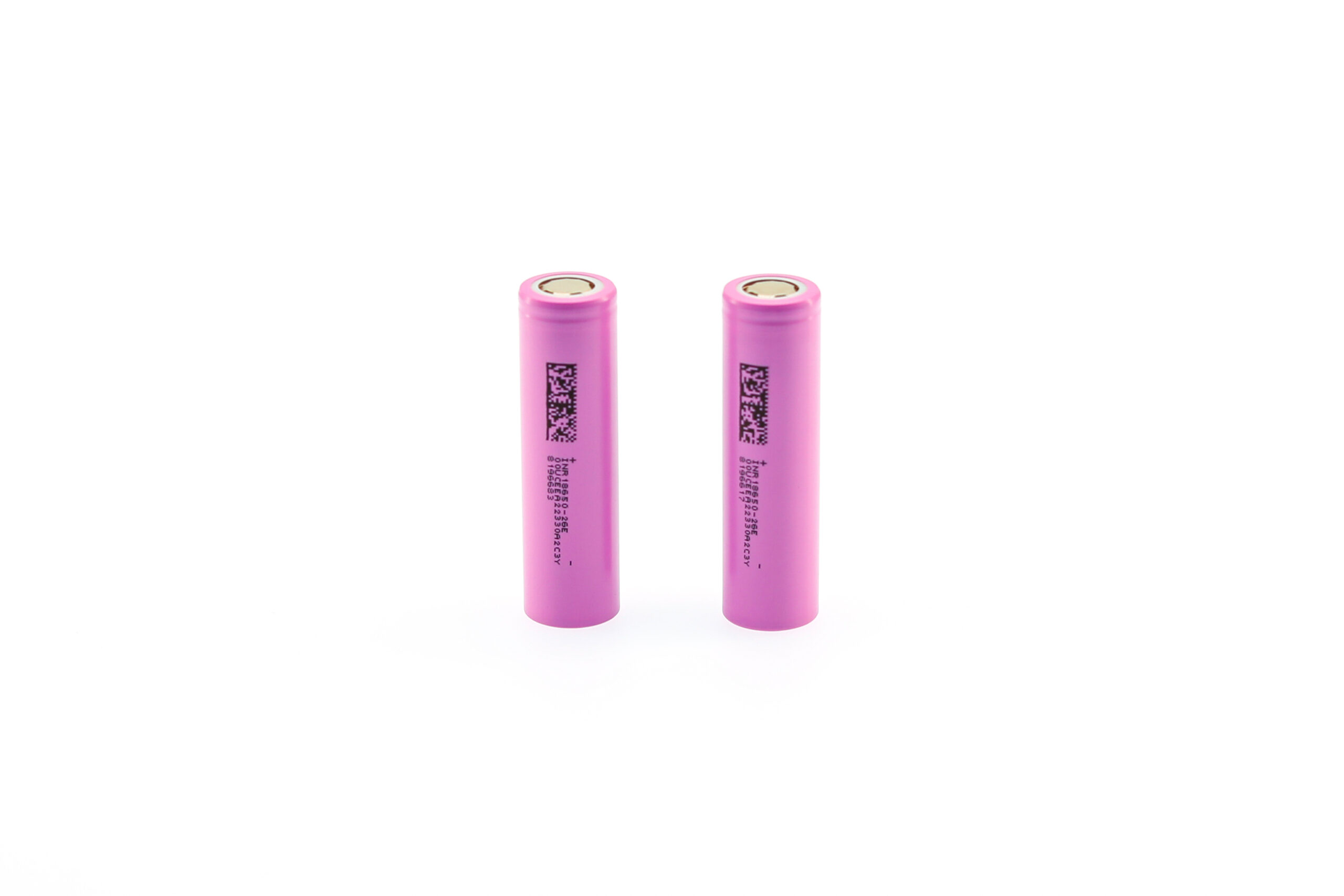
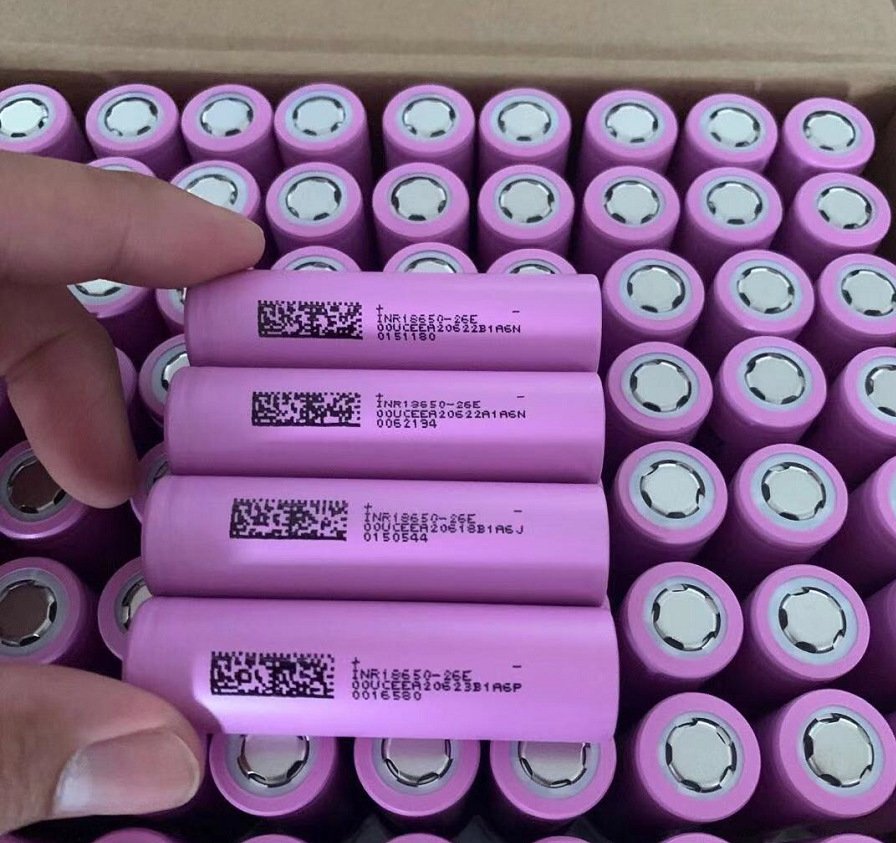
2026 LFP Cylindrical Battery Supplier: Fix Low Self-Discharge in Electric Motorcycle Using 18650 Cells Factory Direct
The electric motorcycle industry is experiencing unprecedented growth in 2026, with manufacturers increasingly prioritizing battery reliability and longevity. Among critical performance metrics, self-discharge rate stands as a decisive factor determining real-world usability. For technical procurement teams and engineering specialists seeking dependable power solutions, LFP (LiFePO₄) cylindrical 18650 cells from factory-direct suppliers offer compelling advantages over conventional lithium-ion alternatives.
Understanding Self-Discharge in LFP 18650 Cells
Self-discharge refers to the gradual loss of stored energy when a battery remains unused. Premium LFP 18650 cells typically demonstrate monthly self-discharge rates between 1.5% to 2.5% at 25°C ambient temperature—significantly lower than NCM (Nickel-Cobalt-Manganese) counterparts. This characteristic proves essential for electric motorcycles that experience intermittent usage patterns, particularly in fleet operations and seasonal markets.
The superior performance stems from LFP’s stable olivine crystal structure, which minimizes side reactions during storage. Unlike cobalt-based chemistries, lithium iron phosphate exhibits reduced electrolyte decomposition and superior thermal stability, directly translating to extended shelf life and consistent voltage retention.
Key Technical Parameters for Electric Motorcycle Applications
When evaluating 18650 LFP cells for electric motorcycle integration, engineering teams should prioritize these specifications:
| Parameter | Specification | Testing Condition |
|---|---|---|
| Nominal Capacity | 2,500-3,000mAh | 0.5C discharge @ 25°C |
| Self-Discharge Rate | ≤2%/month | 25°C, 60% SOC, 30 days |
| Cycle Life | ≥2,000 cycles | 80% DOD, 1C charge/discharge |
| Operating Temperature | -20°C to 60°C | Standard testing protocol |
| Internal Resistance | ≤35mΩ | AC 1kHz measurement |
These parameters directly impact motorcycle range consistency, battery management system (BMS) complexity, and total cost of ownership. Factory-direct suppliers enable customized specifications aligned with specific regional requirements and application demands.
Standardized Testing Methodologies for Self-Discharge Validation
Reliable self-discharge assessment requires controlled testing environments following international standards. Professional evaluation protocols include:
1. Open Circuit Voltage (OCV) Monitoring
Cells are charged to 100% SOC, then stored at controlled temperature (25±2°C). OCV measurements occur at 7-day intervals over 90 days. Acceptable voltage drop should not exceed 0.05V per month for premium LFP cells.
2. Capacity Retention Testing
Following IEC 61960 guidelines, cells undergo initial capacity measurement, storage for 28 days at specified temperature, then discharge capacity verification. Retention rates above 95% indicate superior cell quality.
3. Impedance Spectroscopy Analysis
Electrochemical impedance spectroscopy (EIS) identifies internal degradation mechanisms contributing to self-discharge. This non-destructive method enables predictive maintenance scheduling for fleet operators.
4. Temperature Accelerated Testing
Per UN 38.3 transportation standards, cells undergo elevated temperature storage (45°C, 60°C) to accelerate aging effects. Results extrapolate to predict long-term performance under various climate conditions.
Regional Compliance and Technical Barriers
Global market access requires adherence to region-specific certification frameworks. For European Union distribution, LFP 18650 cells must comply with:
- CE Marking under Battery Directive 2006/66/EC (updated 2023)
- UN 38.3 transportation safety certification
- IEC 62133-2 safety requirements for portable applications
- REACH chemical substance regulations
United States market entry demands:
- UL 1642 cell safety standard certification
- UL 2580 electric vehicle battery system requirements
- DOT 38.3 hazardous materials transportation compliance
- California Title 20 energy efficiency regulations
Factory-direct manufacturers with established certification infrastructure significantly reduce time-to-market and compliance risks. Direct engagement enables technical teams to verify test reports, audit manufacturing processes, and customize documentation for specific regional submissions.
Strategic Advantages of Factory-Direct Procurement
Partnering directly with certified manufacturers offers multiple technical and commercial benefits:
Quality Traceability: Complete batch tracking from raw materials to finished cells enables rapid root-cause analysis if performance deviations occur.
Customization Flexibility: Engineering teams can specify capacity, discharge rates, and terminal configurations matching exact motorcycle platform requirements.
Cost Optimization: Eliminating distributor margins reduces per-cell costs by 15-25%, particularly valuable for high-volume production runs.
Technical Support: Direct access to application engineers accelerates integration troubleshooting and BMS calibration.
For comprehensive product specifications and technical documentation, visit our cylindrical battery cell catalog. Engineering teams seeking manufacturing partnership opportunities can explore our battery manufacturers in China directory for verified supplier qualifications.
Conclusion: Building Reliable Electric Motorcycle Power Systems
The transition to LFP 18650 cylindrical cells represents a strategic decision balancing performance, safety, and total cost of ownership. Low self-discharge characteristics directly enhance user experience through consistent range availability and reduced maintenance requirements. For technical procurement professionals evaluating 2026 supply chain options, factory-direct partnerships with certified manufacturers provide optimal pathways to market-compliant, high-performance battery solutions.
Regional compliance frameworks continue evolving, with EU Battery Regulation 2023/1542 introducing enhanced sustainability and recycling requirements effective 2027. Early engagement with qualified suppliers ensures smooth transitions to upcoming regulatory landscapes while maintaining competitive advantages in the rapidly expanding electric motorcycle sector.
For direct technical consultation and quotation requests, contact our engineering team at CNS Battery Contact. Our specialists support global customers with region-specific certification guidance, custom cell specifications, and volume production planning aligned with 2026-2027 market demands.