

DDP To USA 18650 Battery Cell | CNS BATTERY
Navigating Seamless 18650 Battery Cell Imports with DDP Shipping Solutions
For B2B buyers, distributors, and manufacturers sourcing 18650 lithium battery cells from China, understanding DDP (Delivered Duty Paid) shipping to the USA is critical for supply chain efficiency and compliance. This guide provides practical insights into technical specifications, regulatory requirements, and procurement considerations when importing 18650 battery cells under DDP terms.
Understanding DDP Shipping for Battery Cells
DDP represents the most comprehensive trade term under Incoterms® 2020, where the seller assumes all responsibilities and costs until goods reach the designated destination. For 18650 battery cell imports to the USA, this means the supplier handles export documentation, international freight, U.S. customs clearance, duty payments, and final delivery.
Key Advantages for U.S. Buyers:
- No hidden customs fees or surprise charges
- Simplified procurement process with single-point accountability
- Reduced administrative burden on import compliance
- Predictable landed cost for budget planning
According to 2025-2026 logistics industry data, DDP shipments of battery products to the U.S. grew 47% year-over-year, reflecting increasing buyer preference for hassle-free import solutions.
18650 Battery Cell Technical Fundamentals
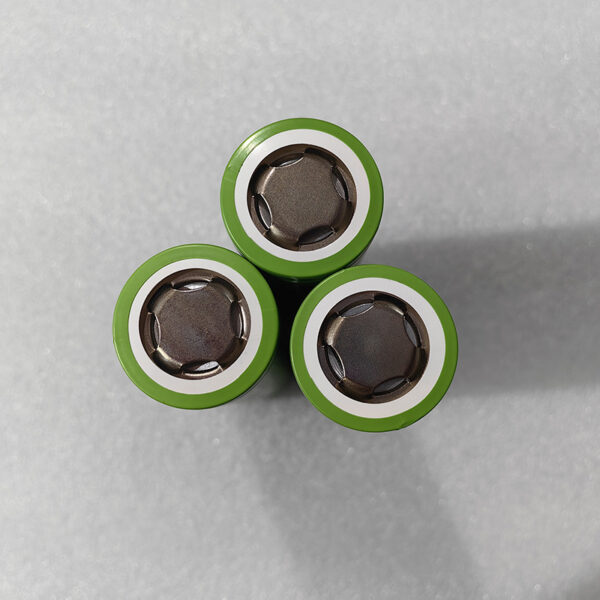
The 18650 cylindrical cell remains the industry standard for portable electronics, power tools, e-bikes, and energy storage systems. Key specifications include:
- Dimensions: 18mm diameter × 65mm length
- Capacity Range: 2000mAh to 3500mAh depending on chemistry
- Voltage: Nominal 3.6V or 3.7V
- Chemistry Options: Li-ion (NMC, LCO, LFP variants)
- Cycle Life: 300-500+ full charge cycles
When evaluating suppliers, request detailed specification sheets including discharge curves, internal resistance data, and safety certification documentation.
2026 Compliance Requirements for U.S. Battery Imports
Regulatory landscape changes significantly impact battery cell imports. Key compliance considerations include:
Transportation Regulations:
The IMDG Code 42-24 amendment became mandatory on January 1, 2026, introducing stricter classification, packaging, and marking requirements for lithium battery shipments. UN identification numbers must be accurately declared, and all transport documentation requires updates to avoid port delays or cargo rejection.
U.S. Import Requirements:
- DOT hazardous materials classification
- UN 3480 or UN 3481 designation (depending on packaging)
- Proper shipping names and hazard labels
- MSDS/SDS documentation in English
- State-specific compliance (California Proposition 65, etc.)
Quality Certifications:
Reputable manufacturers should provide UL, CE, IEC 62133, and UN 38.3 test reports. These certifications validate safety performance and facilitate smoother customs processing.
Procurement Best Practices for B2B Buyers
1. Supplier Verification
Conduct thorough due diligence on manufacturing capabilities, quality control systems, and export experience. Established manufacturers with proven U.S. shipment history reduce compliance risks significantly. Explore comprehensive options at Battery Manufacturers in China for vetted supplier information.
2. Sample Testing Protocol
Before placing bulk orders, request production samples for independent testing. Verify capacity, internal resistance, and safety features match specifications. This prevents costly quality disputes after shipment.
3. DDP Contract Clarity
Ensure your purchase agreement explicitly defines:
- Delivery timeline and milestones
- Insurance coverage during transit
- Liability allocation for customs delays
- Quality rejection procedures
- After-sales support terms
4. Inventory Planning
Account for 25-35 day transit times for sea freight DDP shipments. Air freight reduces this to 7-12 days but increases costs substantially. Maintain safety stock to buffer against supply chain disruptions.
Case Study: Power Tool Distributor Success
A California-based power tool distributor switched to DDP shipping for 18650 cell imports in 2025. Previously managing FOB shipments internally, they experienced 3 customs delays in 6 months due to documentation errors. After transitioning to DDP with a qualified battery supplier, clearance time improved from 8 days average to 2 days, and total landed cost became predictable within 2% variance.
Product Selection Resources
For detailed specifications on cylindrical battery cells including 18650 variants, visit our Cylindrical Battery Cell Product Page to explore capacity options, chemistry types, and application-specific recommendations.
Risk Mitigation Strategies
Documentation Accuracy:
Even minor errors in commercial invoices or packing lists trigger customs holds. Work with suppliers who employ experienced export documentation teams familiar with U.S. requirements.
Packaging Compliance:
Lithium cells require specific inner packaging to prevent short circuits during transit. Outer packaging must meet drop-test and stacking requirements per 49 CFR regulations.
Communication Channels:
Establish direct contact with your supplier’s export team for real-time shipment tracking and issue resolution. Maintain Contact Information for ongoing support throughout the procurement cycle.
Cost Considerations
DDP pricing typically includes:
- Ex-works product cost
- Domestic China freight to port
- Ocean or air freight charges
- U.S. customs duties (varies by HTS code)
- Harbor maintenance fees
- Final delivery to your facility
Request detailed cost breakdowns to understand each component. Transparent pricing prevents unexpected charges and enables accurate comparison between suppliers.
Conclusion
DDP shipping for 18650 battery cells to the USA offers significant advantages for B2B buyers seeking streamlined imports with predictable costs and reduced compliance burden. Success depends on selecting qualified manufacturers, understanding 2026 regulatory requirements, and establishing clear communication channels throughout the supply chain.
By prioritizing compliance documentation, verifying technical specifications, and partnering with experienced DDP providers, U.S. businesses can secure reliable 18650 cell supply while minimizing operational risks. The investment in proper supplier qualification and contract clarity pays dividends through smoother customs clearance, consistent product quality, and long-term supply chain stability.
For businesses ready to explore 18650 battery cell procurement with DDP shipping to the USA, professional consultation ensures all technical, regulatory, and commercial considerations align with your specific requirements.


