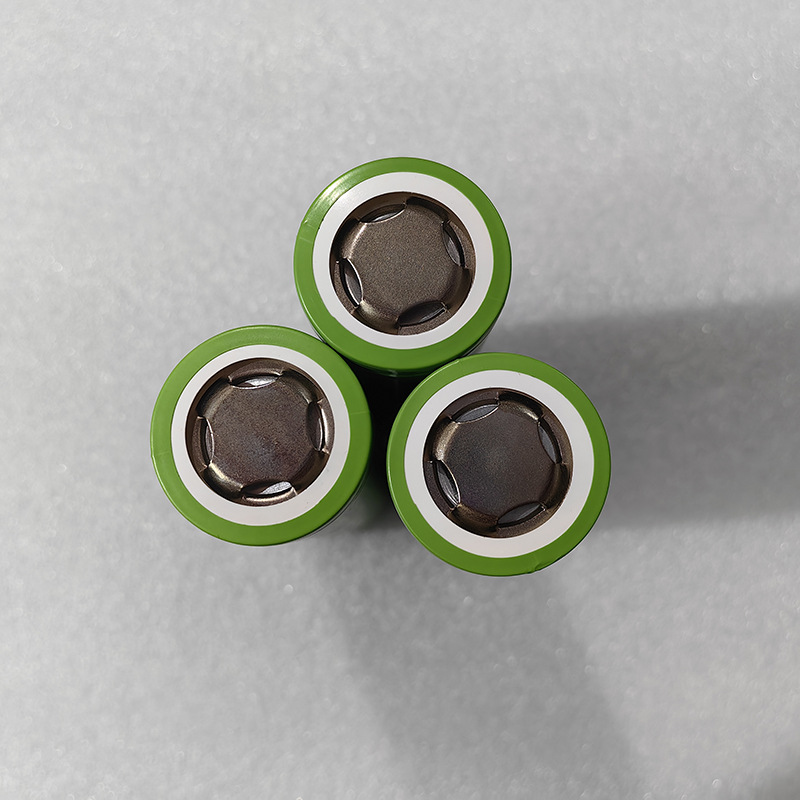
26650 Battery Cell RoHS Compliant | EU Market CNS BATTERY
Introduction: Navigating EU Compliance for Cylindrical Lithium Cells
For engineering teams and technical procurement specialists targeting the European Union market, regulatory compliance represents more than a checkbox—it is a fundamental prerequisite for market access. The 26650 cylindrical lithium battery cell, with its standardized dimensions (26mm diameter × 65mm height), has become a cornerstone specification for high-drain applications ranging from power tools to energy storage systems. However, achieving RoHS compliance alongside adherence to the newer EU Battery Regulation (EU) 2023/1542 demands rigorous technical validation and supply chain transparency. This article provides a comprehensive technical breakdown for professionals evaluating 26650 cells for EU deployment.
Understanding RoHS 3.0 Requirements for Battery Cells
The Restriction of Hazardous Substances (RoHS) Directive 2011/65/EU, commonly referred to as RoHS 3.0, mandates strict limits on ten hazardous substances within homogeneous materials of electrical and electronic equipment. For 26650 battery cells, compliance requires systematic verification across all component layers:
| Substance | Maximum Concentration Value |
|---|---|
| Lead (Pb) | 0.1% (1000 ppm) |
| Mercury (Hg) | 0.1% (1000 ppm) |
| Cadmium (Cd) | 0.01% (100 ppm) |
| Hexavalent Chromium (Cr VI) | 0.1% (1000 ppm) |
| Polybrominated Biphenyls (PBB) | 0.1% (1000 ppm) |
| Polybrominated Diphenyl Ethers (PBDE) | 0.1% (1000 ppm) |
| DEHP, BBP, DBP, DIBP (Phthalates) | 0.1% (1000 ppm) each |
Critical compliance zones within a 26650 cell include the cathode current collector (typically aluminum foil), anode current collector (copper foil), electrolyte formulation, separator coating, and external casing materials. Each must undergo independent testing via IEC 62321-series methodologies to confirm substance concentrations remain below threshold limits.
Technical Specifications: 26650 Cell Architecture and Chemistry Options
The 26650 form factor supports multiple lithium-ion chemistries, each presenting distinct compliance considerations:
INR26650 (NMC Chemistry)
- Nominal Voltage: 3.6V / 3.7V
- Capacity Range: 4,500–6,500 mAh
- Charge Cut-off: 4.2V ± 0.05V
- Application Focus: High energy density requirements
IFR26650 (LiFePO₄ Chemistry)
- Nominal Voltage: 3.2V
- Capacity Range: 3,000–4,000 mAh
- Charge Cut-off: 3.65V ± 0.05V
- Cycle Life: 2,000+ cycles at 80% DOD
- Application Focus: Safety-critical and long-lifecycle deployments
From a RoHS perspective, LiFePO₄ chemistry inherently presents lower compliance risk due to the absence of cobalt and nickel compounds that may contain trace heavy metal impurities. However, both chemistries require full supply chain documentation to verify raw material sourcing meets EU substance restrictions.
EU Battery Regulation (EU) 2023/1542: Beyond RoHS Compliance
Effective August 2023 with enforcement from February 2024, Regulation (EU) 2023/1542 supersedes the previous Battery Directive 2006/66/EC, introducing comprehensive lifecycle requirements:
- CE-Battery Certification: Mandatory conformity marking demonstrating compliance with safety, chemical, and performance standards
- Carbon Footprint Declaration: Required for industrial and EV batteries (phased implementation through 2025-2026)
- Battery Passport: Digital documentation tracking origin, composition, and recycling information
- Extended Producer Responsibility (EPR): Manufacturer obligations for end-of-life collection and recycling
For 26650 cells classified as portable batteries (sealed, under 5kg), immediate requirements include CE-Battery marking, hazardous substance testing per IEC 62133-2, and preparation for upcoming carbon footprint reporting obligations.
Supply Chain Verification and Documentation Requirements
Technical procurement teams must establish robust verification protocols:
- Material Declaration Sheets (MDS): Complete substance disclosure from cell manufacturers
- Third-Party Test Reports: Accredited laboratory certification (TÜV, SGS, Intertek)
- Declaration of Conformity (DoC): Legal document affirming EU regulation compliance
- Traceability Records: Batch-level documentation for audit purposes
Manufacturers operating certified production facilities with ISO 9001 and ISO 14001 management systems provide enhanced compliance assurance through documented quality control procedures and environmental management protocols.
Partnering with Compliant Battery Manufacturers
Selecting a battery supplier with established EU market experience significantly reduces compliance risk. CNS BATTERY maintains comprehensive RoHS and EU Battery Regulation compliance across their cylindrical cell portfolio, including 26650 specifications engineered for European market requirements.
For technical specifications, compliance documentation, or customization inquiries regarding 26650 RoHS-compliant cells, visit our Cylindrical Battery Cell product range to review available chemistries and capacity options.
Organizations seeking verified manufacturing partners with full EU regulatory compliance capabilities can explore our credentials as Battery Manufacturers in China with established export certification frameworks.
For direct technical consultation, compliance documentation requests, or volume procurement discussions, contact our engineering support team through our Contact Page.
Ensuring RoHS compliance for 26650 battery cells requires systematic technical validation, comprehensive supply chain documentation, and partnership with manufacturers committed to EU regulatory standards. By prioritizing compliance from the specification phase, engineering teams can accelerate market entry while mitigating regulatory risk across European deployment scenarios.