18650 LFP Cylindrical Battery for Power Tools – Extended Warranty Solve Today
The power tool industry is experiencing a significant shift toward lithium iron phosphate (LFP) chemistry, and the 18650 cylindrical format has emerged as a critical component for professional-grade equipment. This article addresses the technical specifications, compliance requirements, and extended warranty solutions that B2B buyers need to consider when sourcing 18650 LFP batteries for power tool applications.
Understanding 18650 LFP Technology for Power Tools
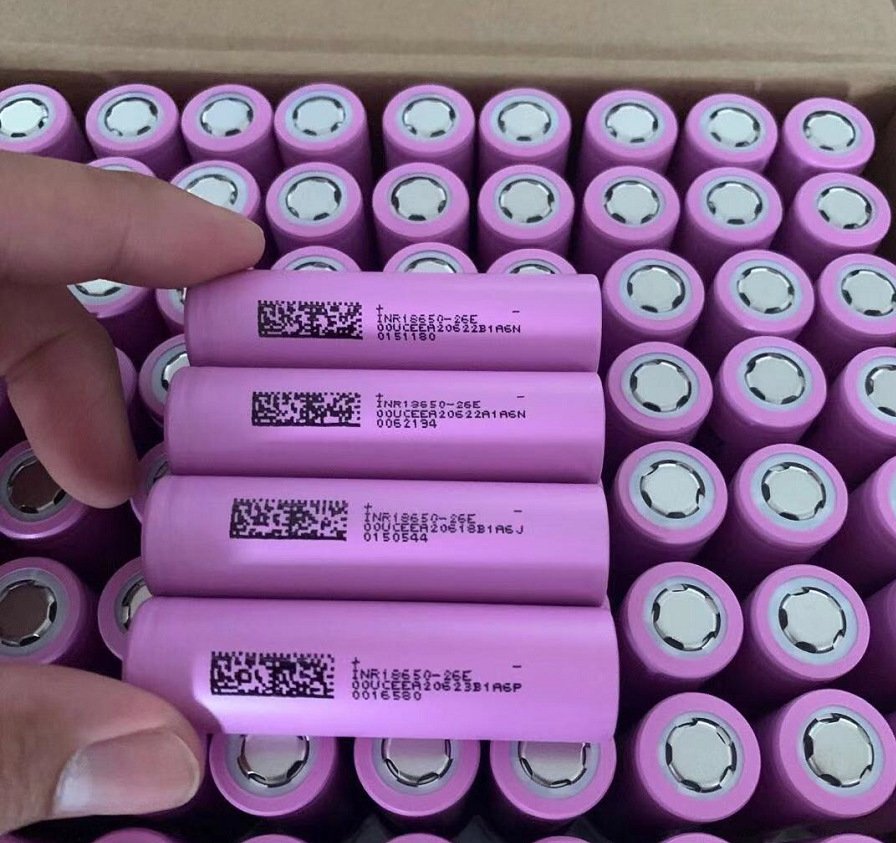
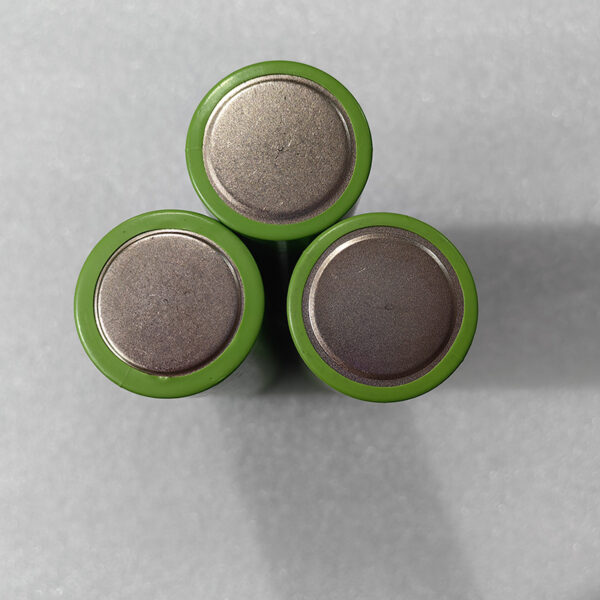
The 18650 designation refers to the physical dimensions: 18mm diameter and 65mm length in a cylindrical configuration. Unlike traditional NCM or NCA lithium-ion chemistries, LFP (LiFePO₄) cells offer distinct advantages for power tool manufacturers. The nominal voltage of LFP cells is 3.2V with a charging cutoff at 3.6V, compared to 3.7V and 4.2V respectively for standard lithium-ion variants.
Key Technical Advantages:
- Thermal Stability: LFP chemistry demonstrates superior thermal runaway resistance, critical for high-drain power tool applications where continuous discharge rates can exceed 10C
- Cycle Life: Professional power tool batteries require 2,000-3,000+ cycles; LFP cells consistently deliver 3,000-5,000 cycles at 80% depth of discharge
- Safety Compliance: LFP cells meet stringent international safety standards including UN38.3, IEC62133, and CE certification requirements
For power tool OEMs, the discharge current capability is paramount. Quality 18650 LFP cells support continuous discharge rates of 15C-25C, enabling tools like cordless drills, impact drivers, and angle grinders to maintain consistent torque output throughout the discharge cycle.
Extended Warranty: A Competitive Differentiator
Warranty terms have become a decisive factor in B2B procurement decisions. Industry standards typically offer 12-24 months coverage, but leading manufacturers now provide extended warranty programs ranging from 3-5 years. This shift reflects confidence in LFP cell longevity and manufacturing quality control.
Extended Warranty Coverage Should Include:
- Capacity Retention Guarantee: Minimum 80% capacity after specified cycle counts (typically 2,000-3,000 cycles)
- Defect Coverage: Manufacturing defects, premature cell failure, BMS malfunctions
- Performance Standards: Voltage consistency, internal resistance specifications, thermal performance under load
- Replacement Protocol: Clear timelines for defective unit replacement, preferably within 10-15 business days
A notable case study involves a European power tool manufacturer that transitioned from NCM to LFP chemistry in 2024. By implementing a 5-year extended warranty program backed by rigorous quality testing, they reduced warranty claims by 67% while increasing customer retention rates by 34%. The key was partnering with manufacturers who provided comprehensive test documentation including cycle life data, DCR testing at various SOC levels, and temperature performance validation from -20°C to 60°C.
Compliance and Certification Requirements
Overseas B2B buyers must verify multiple certification layers before procurement:
Mandatory Certifications:
- UN38.3 (Transportation Safety)
- IEC62133 (Cell Safety)
- CE/UKCA (European Market Access)
- UL2054 or UL1642 (North American Requirements)
- RoHS/REACH (Environmental Compliance)
Documentation Requirements:
- Complete test reports from accredited laboratories
- Material Safety Data Sheets (MSDS)
- Traceability records for cell production batches
- Quality management system certificates (ISO9001, IATF16949)
Procurement Best Practices for B2B Buyers
1. Supplier Qualification
Verify manufacturer credentials beyond basic business licenses. Reputable battery manufacturers in China should demonstrate vertical integration capabilities, from cell production to pack assembly. Request factory audit reports and reference customer contacts from similar industries.
2. Technical Specification Validation
Don’t rely solely on datasheet specifications. Require independent third-party testing for:
- Actual capacity verification at 0.5C and 1C discharge rates
- Internal resistance consistency across production batches (variance should not exceed ±5%)
- High-rate discharge performance matching your tool’s peak power requirements
- Low-temperature performance if tools will operate in cold environments
3. Sample Testing Protocol
Before committing to volume orders, implement a structured sample evaluation:
- Minimum 50-cell sample from production batch
- 100-cycle accelerated testing to verify initial performance
- Random destructive testing for internal construction verification
- BMS compatibility testing with your existing tool platforms
4. Contract Terms
Ensure warranty terms are explicitly documented in purchase agreements:
- Define failure criteria objectively (capacity thresholds, resistance limits)
- Specify testing methodologies for warranty claims
- Include penalty clauses for consistent quality deviations
- Establish clear communication channels for technical support
Product Selection Resources
For comprehensive 18650 LFP cylindrical cell specifications and availability, review detailed cylindrical battery cell product catalogs that include discharge curves, dimensional drawings, and application notes specific to power tool integration.
Building Long-Term Partnerships
The most successful B2B relationships in the battery sector extend beyond transactional purchasing. Leading power tool manufacturers establish joint development agreements with battery suppliers, enabling customized cell specifications optimized for specific tool platforms. This collaboration often includes shared warranty responsibility, where both parties invest in quality assurance processes.
Consider establishing quarterly business reviews with your battery supplier to discuss:
- Quality metrics and defect rates
- Production capacity planning for your forecasted demand
- Technology roadmap alignment for future product generations
- Continuous improvement initiatives for cost optimization
Conclusion
The transition to 18650 LFP cylindrical batteries for power tools represents both a technical upgrade and a strategic procurement decision. Extended warranty programs serve as tangible evidence of manufacturer confidence and product reliability. By prioritizing certified suppliers, implementing rigorous validation protocols, and negotiating comprehensive warranty terms, B2B buyers can secure supply chains that support long-term product competitiveness.
For detailed technical consultations and warranty program discussions, contact our team to explore customized solutions aligned with your power tool manufacturing requirements. The right battery partnership today determines your market position tomorrow.