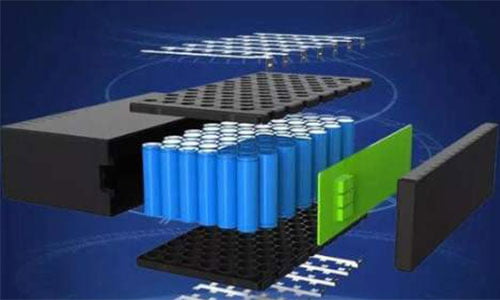
Minimal Capacity Fade 18650 LFP Cells for ESS – Ultimate Guide
Introduction
Energy Storage Systems (ESS) represent the backbone of modern renewable energy infrastructure, demanding battery solutions that deliver exceptional longevity and minimal capacity degradation. Among available chemistries, 18650 LFP (Lithium Iron Phosphate) cells have emerged as the preferred choice for commercial and industrial ESS applications, offering superior cycle life, thermal stability, and minimal capacity fade over extended operational periods. This comprehensive guide examines the technical advantages of 18650 LFP cells for ESS deployments while highlighting critical selection criteria for international buyers.
Understanding Capacity Fade in LFP Chemistry
Capacity fade refers to the gradual reduction in a battery’s ability to store energy over time and usage cycles. LFP chemistry demonstrates inherently lower capacity fade rates compared to NMC or NCA alternatives, typically retaining 80% of initial capacity after 3,000-5,000 full cycles. This characteristic stems from the stable olivine crystal structure of lithium iron phosphate, which minimizes structural degradation during lithium ion intercalation and deintercalation processes.
For ESS applications requiring 10-15 year operational lifespans, minimal capacity fade translates directly to reduced levelized cost of storage (LCOS) and improved return on investment. Commercial buyers should prioritize cells demonstrating less than 0.02% capacity loss per cycle under standard testing conditions.
Key Technical Advantages for ESS Applications
Thermal Stability and Safety
LFP cells operate safely across wider temperature ranges (-20°C to 60°C) with significantly reduced thermal runaway risks. This makes them ideal for utility-scale installations where safety compliance meets stringent international standards including UL 1973, IEC 62619, and UN 38.3 transportation requirements.
Cycle Life Performance
Premium 18650 LFP cells deliver 4,000+ cycles at 80% depth of discharge while maintaining minimal capacity degradation. This exceeds typical NMC performance by 2-3 times, reducing replacement frequency and total cost of ownership for ESS operators across North America, Europe, and Asia-Pacific markets.
Consistent Voltage Profile
The flat discharge curve of LFP chemistry enables more accurate state-of-charge estimation and simplified battery management system (BMS) design. This technical advantage reduces system complexity while improving overall energy management efficiency.
Selection Criteria for International Buyers
When sourcing 18650 LFP cells for ESS projects, international B2B buyers should evaluate manufacturers based on:
- Certification Compliance: Ensure cells meet destination market requirements including CE, UL, IEC, and regional safety standards
- Capacity Consistency: Request batch testing data showing capacity variation below 3% within production lots
- Warranty Terms: Seek manufacturers offering 5-10 year performance warranties with guaranteed capacity retention thresholds
- Supply Chain Transparency: Verify raw material sourcing and manufacturing processes align with ESG compliance requirements
For comprehensive manufacturer evaluation, explore established battery manufacturers in China at https://cnsbattery.com/battery-manufacturers-in-china/ which provides insights into qualified suppliers meeting international quality standards.
Geographic Considerations for ESS Deployments
Regional climate conditions significantly impact LFP cell performance and capacity fade rates. European installations benefit from moderate temperatures extending cycle life, while Middle Eastern deployments require enhanced thermal management systems. North American utility-scale projects increasingly mandate domestic content requirements, making supplier location and manufacturing transparency critical selection factors.
Australian and Southeast Asian markets prioritize humidity resistance and tropical climate performance specifications. Buyers should request climate-specific testing data from manufacturers to ensure optimal performance in target deployment regions.
CNS BATTERY Product Advantages
CNS BATTERY specializes in premium 18650 LFP cells engineered specifically for ESS applications with minimal capacity fade characteristics. Our cylindrical battery cell lineup https://cnsbattery.com/products-3/cylindrical-battery-cell/ features:
- Guaranteed 4,500+ cycle life at 80% DoD
- Capacity retention exceeding 85% after 10 years
- Full compliance with UL, CE, IEC, and UN 38.3 standards
- Batch consistency within 2% capacity variation
- Comprehensive technical support for system integration
Our manufacturing facilities maintain ISO 9001 and ISO 14001 certifications, ensuring consistent quality while meeting environmental compliance requirements for European, North American, and Asia-Pacific markets.
Conclusion
Minimal capacity fade 18650 LFP cells represent the optimal solution for modern ESS deployments requiring long-term reliability and predictable performance. International buyers should prioritize manufacturers demonstrating proven track records, comprehensive certifications, and transparent supply chains. By selecting quality LFP cells from established suppliers, ESS operators can maximize project economics while ensuring safe, reliable energy storage operations across diverse geographic regions.
For technical consultations and customized ESS battery solutions, contact our international sales team at https://cnsbattery.com/contact-2/ to discuss your specific project requirements and regional compliance needs.