Dangerous Goods Shipping Expert CNS BATTERY: Navigating Lithium Battery Transport Compliance in 2026
In the rapidly evolving landscape of global electronics and energy storage, lithium battery transportation has become one of the most critically regulated areas of international trade. As we advance into 2026, the regulatory framework surrounding dangerous goods shipping continues to tighten, with the International Air Transport Association (IATA) Dangerous Goods Regulations (DGR) 66th Edition and updated IMDG Code requirements reshaping how manufacturers and exporters approach compliance. For engineering teams and technical procurement specialists working with lithium battery suppliers, understanding these regulations is no longer optional—it’s essential for maintaining supply chain integrity and avoiding costly shipment delays.
Understanding UN Classification Systems for Lithium Batteries
The foundation of compliant lithium battery shipping lies in proper UN classification. The United Nations Model Regulations categorize lithium batteries under Class 9 Dangerous Goods, with specific UN numbers determining transport requirements:
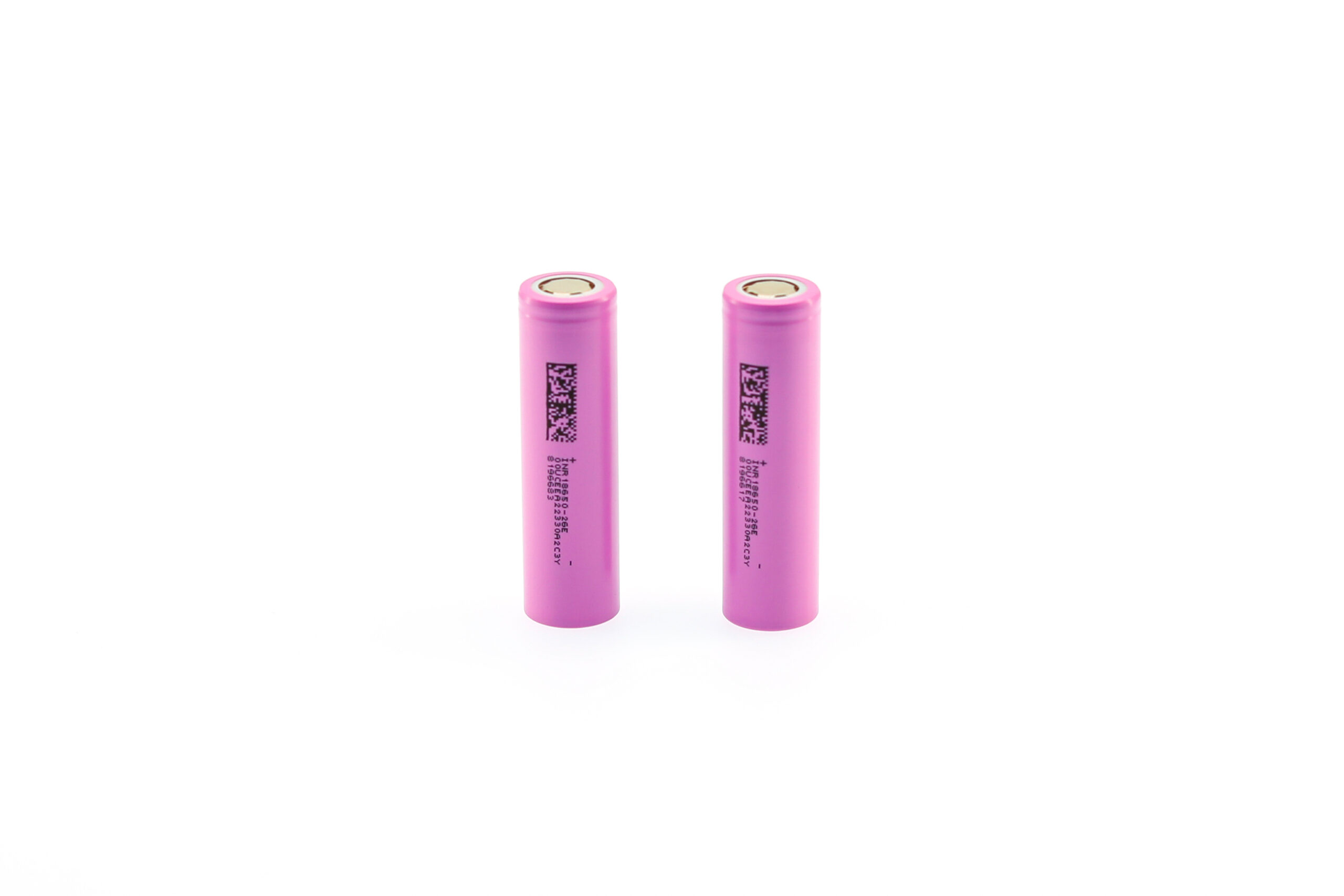
UN3480 applies to lithium-ion batteries shipped as standalone units without equipment. This classification covers cylindrical battery cells, battery packs, and energy storage modules destined for integration into end products. Since January 2025, UN3480 shipments require mandatory State of Charge (SoC) restrictions not exceeding 30% for air transport, significantly reducing thermal runaway risks during transit.
UN3481 encompasses lithium-ion batteries packed with equipment or installed within devices. The regulatory treatment varies based on watt-hour ratings, with batteries exceeding 2.7Wh facing stricter SoC limitations enforced from January 2026 onwards. This distinction proves crucial for procurement teams evaluating shipping options for consumer electronics, IoT devices, and industrial equipment.
UN3090 and UN3091 cover lithium metal batteries, which face even more restrictive transport conditions due to their higher energy density and different failure modes.
Critical 2025-2026 Regulatory Updates Impacting Global Shipments
The IATA DGR 66th Edition introduced transformative changes that directly affect battery manufacturers and exporters. Key modifications include enhanced packaging requirements, updated testing protocols, and new documentation standards. Perhaps most significantly, the regulations now differentiate between large-format battery systems (such as EV batteries and ESS installations) and smaller consumer-grade cells, applying proportionate safety measures based on risk profiles.
For technical buyers evaluating battery manufacturers in China, verifying supplier compliance with these updated standards becomes a critical due diligence step. Manufacturers must demonstrate UN38.3 testing certification, proper dangerous goods packaging certification, and established quality management systems aligned with international transport requirements.
Technical Considerations for Safe Battery Transport
Beyond regulatory compliance, engineering teams must address several technical factors influencing shipping safety and efficiency:
Packaging Design: Inner packaging must provide individual insulation for each battery cell or module, preventing short circuits through conductive materials. Anti-static bags combined with shock-absorbing materials like pearl cotton form the industry standard for cylindrical battery cell shipments.
State of Charge Management: Maintaining batteries at reduced SoC levels during transport minimizes available energy for potential thermal events. This requires coordination between production scheduling and shipping timelines to ensure batteries don’t self-discharge below operational thresholds before reaching customers.
Temperature Controls: Extreme temperatures during transit can affect battery stability. Shipping protocols should account for seasonal variations and route-specific climate conditions, particularly for ocean freight passing through tropical regions.
Documentation Accuracy: Dangerous Goods Declarations, Shipper’s Declarations, and emergency response information must align precisely with actual cargo contents. Discrepancies commonly trigger customs holds and regulatory penalties.
Building Compliant Supply Chain Partnerships
Successful lithium battery procurement extends beyond product specifications to encompass complete logistics compliance. Technical procurement professionals should establish clear communication channels with suppliers regarding shipping classifications, required certifications, and contingency procedures for regulatory changes.
When evaluating potential partners, request comprehensive documentation including UN38.3 test reports, dangerous goods packaging certificates, and evidence of staff training in hazardous materials handling. Reputable manufacturers maintain dedicated compliance teams tracking regulatory updates across target markets, ensuring shipments meet destination-country requirements without modification.
For organizations seeking expert guidance on lithium battery shipping compliance, establishing direct communication with qualified suppliers proves invaluable. Professional manufacturers can provide tailored support addressing specific transport scenarios, whether air freight for urgent prototypes or ocean containers for production volumes. You can reach out through their contact page for detailed consultations on your particular shipping requirements.
Future Outlook: Emerging Technologies and Evolving Regulations
The regulatory landscape continues evolving alongside battery technology advancements. Sodium-ion batteries recently received dedicated UN numbers (UN3551), reflecting the industry’s expansion beyond traditional lithium chemistries. Solid-state batteries, currently in development, will likely trigger additional regulatory frameworks as commercial production scales.
Procurement teams should maintain flexibility in supplier relationships, prioritizing partners demonstrating adaptability to regulatory changes and commitment to continuous compliance improvement. This proactive approach minimizes disruption risks while positioning organizations to capitalize on emerging battery technologies as they achieve commercial viability.
Conclusion
Navigating dangerous goods shipping requirements for lithium batteries demands technical expertise, regulatory awareness, and strong supplier partnerships. As 2026 regulations continue tightening around SoC restrictions, packaging standards, and documentation accuracy, organizations must invest in compliance infrastructure matching their battery procurement strategies. By understanding UN classification systems, staying current with IATA DGR updates, and partnering with compliant manufacturers, engineering and procurement teams can ensure smooth, safe, and cost-effective battery shipments across global supply chains.
The stakes extend beyond individual shipments—compliance failures can damage supplier relationships, trigger regulatory scrutiny, and compromise customer trust. Investing in dangerous goods shipping expertise today builds resilient supply chains capable of supporting tomorrow’s energy storage demands.