

E-bike OEM Pain Points Solved by 46800 LiFePO4 Cylindrical Batteries 2026 Buyer’s Guide
The global e-bike market is experiencing unprecedented growth, projected to reach $62.25 billion by 2030. For OEM manufacturers and brand owners, selecting the right battery technology has become a critical decision point. In 2026, 46800 LiFePO4 cylindrical batteries emerge as the definitive solution to longstanding industry pain points. This comprehensive buyer’s guide examines how this advanced cell format addresses key challenges facing e-bike manufacturers across Europe, North America, and Asia-Pacific markets.
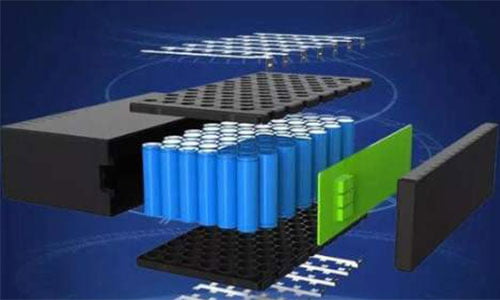
Understanding the 46800 LiFePO4 Cylindrical Cell Architecture
The 46800 designation refers to cylindrical cells measuring 46mm in diameter and 80mm in height. When paired with LiFePO4 (Lithium Iron Phosphate) chemistry, this format delivers exceptional performance characteristics. Unlike traditional 18650 or 21700 cells, the 46800 format offers 5x energy capacity and 6x power output improvements while maintaining superior thermal stability.
LiFePO4 chemistry provides a nominal voltage of 3.2V with charging cutoff at 3.6-3.65V. The P-O bonds in the crystal structure remain stable even under high temperatures or overcharging conditions, with decomposition temperatures reaching approximately 600°C. This inherent safety advantage makes 46800 LiFePO4 cells particularly suitable for e-bike applications where reliability and user safety are paramount.
Critical OEM Pain Points Addressed
1. Supply Chain Consistency and Quality Control
E-bike OEMs frequently encounter inconsistent cell quality from multiple suppliers, leading to pack performance variations and warranty claims. The 46800 format standardizes cell dimensions, enabling automated assembly lines with tighter tolerances. Reputable battery manufacturers in China now offer Grade A cells with comprehensive certification including CE, RoHS, MSDS, and UN38.3 compliance—essential for EU and North American market access.
2. Cycle Life and Total Cost of Ownership
Traditional NMC batteries typically deliver 1,000-1,500 cycles before reaching 80% capacity retention. In contrast, 46800 LiFePO4 cells achieve 6,000+ cycles under standard operating conditions. For e-bike manufacturers, this translates to reduced warranty exposure and enhanced brand reputation. The extended lifespan directly improves end-user ROI, particularly for commercial fleet operators and bike-sharing programs across major metropolitan areas.
3. Thermal Management Complexity
Heat dissipation remains a persistent engineering challenge in e-bike battery pack design. The cylindrical form factor provides superior surface-area-to-volume ratios compared to prismatic cells, facilitating more efficient thermal management. Combined with LiFePO4’s inherent thermal stability, OEMs can simplify cooling system designs while maintaining optimal performance across temperature ranges from -20°C to 60°C during discharge.
4. Regulatory Compliance Burden
The EU Battery Regulation entered substantive enforcement in 2026, establishing the world’s most stringent entry barriers. Battery Passport requirements demand complete traceability from raw materials through end-of-life recycling. Partnering with certified manufacturers ensures compliance documentation is readily available, reducing time-to-market for European distribution.
Technical Specifications for OEM Evaluation
When evaluating 46800 LiFePO4 suppliers, OEM procurement teams should verify the following parameters:
| Specification | Standard Range | Premium Grade |
|---|---|---|
| Capacity | 12-18Ah | 18-25Ah |
| Continuous Discharge | 1C-2C | 3C-5C |
| Cycle Life | 4,000+ | 6,000+ |
| Operating Temperature | -10°C to 50°C | -20°C to 60°C |
| Self-discharge Rate | ≤3%/month | ≤2%/month |
Advanced manufacturing techniques including tabless electrode design and dry electrode processing further enhance performance characteristics. These innovations reduce internal resistance, enabling faster charging capabilities without compromising cell longevity.
Geographic Market Considerations
European Market: OEMs targeting Germany, Netherlands, and France must prioritize UN38.3 transportation certification and CE marking. The Battery Passport requirement demands digital traceability systems integrated from cell production through pack assembly.
North American Market: UL 2271 and UL 2849 certifications remain essential for e-bike battery systems. LiFePO4 chemistry’s superior safety profile simplifies certification processes compared to high-nickel alternatives.
Asia-Pacific Region: Growing markets in Australia, Japan, and Southeast Asia require localized compliance documentation. Manufacturing partners with established export experience streamline market entry processes.
Integration and Manufacturing Efficiency
The standardized 46800 dimensions enable modular pack designs that accommodate various e-bike frame geometries. Automated welding processes achieve higher consistency rates compared to mixed cell formats. This standardization reduces assembly time by approximately 30% while improving overall pack reliability metrics.
OEMs should evaluate potential suppliers based on production capacity, quality management systems (ISO 9001, IATF 16949), and technical support capabilities. Comprehensive product specifications should include detailed test reports, batch traceability, and performance guarantees.
2026 Procurement Recommendations
For e-bike OEMs planning 2026-2027 production cycles, we recommend:
- Establish long-term supply agreements with certified manufacturers to secure capacity amid growing demand
- Request sample cells for independent validation testing before committing to volume orders
- Verify certification documentation matches target market requirements
- Evaluate total landed cost including shipping, duties, and compliance expenses
- Assess technical support availability for pack design optimization
The transition to 46800 LiFePO4 cylindrical batteries represents more than a component upgrade—it’s a strategic positioning decision that impacts product quality, brand reputation, and long-term profitability.
Conclusion
As the e-bike industry matures, battery technology selection becomes a key differentiator. The 46800 LiFePO4 cylindrical format addresses fundamental OEM challenges including supply chain consistency, cycle life expectations, thermal management, and regulatory compliance. Manufacturers who adopt this technology in 2026 position themselves competitively for the evolving market landscape.
For detailed technical consultations and customized battery solutions, OEM buyers are encouraged to contact our engineering team for comprehensive project evaluation and sampling programs.
This buyer’s guide reflects current market conditions and technical specifications as of March 2026. Specifications may vary by manufacturer and should be verified through direct supplier engagement.


