Ultimate Guide to 32135 LFP Cells for E-bike 2026 – Complete Low Temperature Performance Focus
As we enter 2026, the e-bike industry faces unprecedented demands for battery performance, particularly in cold climate regions. The 32135 LFP (Lithium Iron Phosphate) cylindrical cell has emerged as a critical solution for engineers and technical purchasers seeking reliable power systems that maintain efficiency across extreme temperature ranges. This comprehensive guide examines the technical specifications, low-temperature performance characteristics, and practical implementation considerations for 32135 LFP cells in modern e-bike applications.
Understanding 32135 LFP Cell Architecture
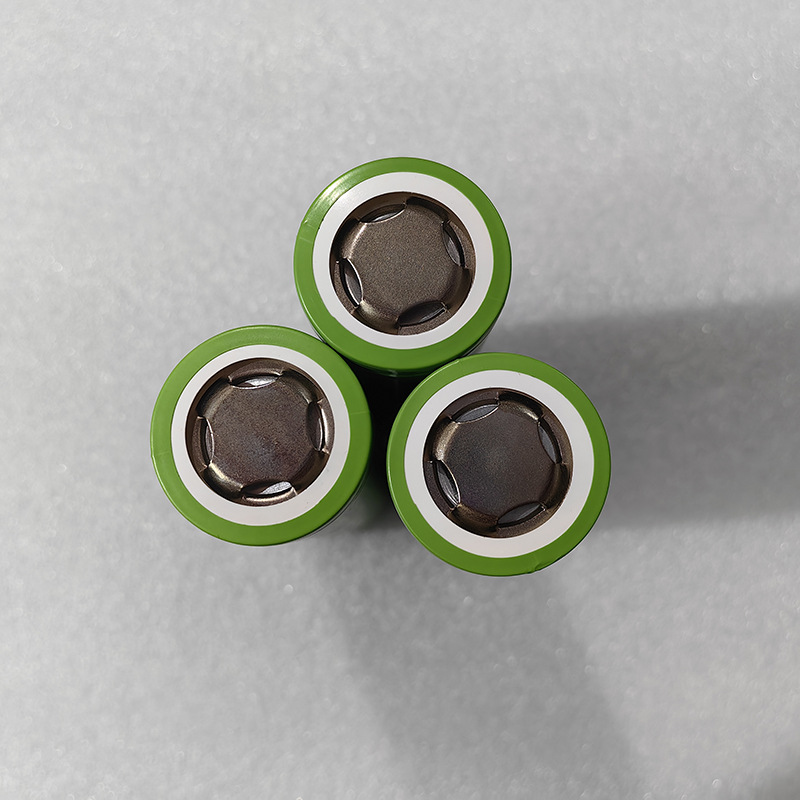
The 32135 designation refers to a cylindrical lithium iron phosphate cell with dimensions of 32mm diameter and 135mm length. This form factor offers significant advantages over traditional 18650 or 21700 cells, including higher capacity per cell, improved thermal management, and reduced assembly complexity for battery pack manufacturers.
Key Technical Specifications:
- Nominal Voltage: 3.2V
- Typical Capacity: 12-15Ah depending on manufacturer
- Continuous Discharge Rate: 3C-5C standard, up to 10C for high-power variants
- Cycle Life: 3,000-5,000 cycles at 80% DOD
- Operating Temperature Range: -20°C to 60°C
For detailed product specifications and manufacturer options, visit Cylindrical Battery Cell Products.
Low Temperature Performance: The Critical Factor
Cold weather performance remains the most significant challenge for e-bike battery systems. Traditional LFP chemistry historically suffered from reduced capacity and increased internal resistance below 0°C. However, 2026 manufacturing advancements have dramatically improved these characteristics.
Temperature-Dependent Capacity Retention
Modern 32135 LFP cells demonstrate remarkable low-temperature performance:
- At 0°C: 95-98% capacity retention compared to 25°C baseline
- At -10°C: 85-90% capacity retention with optimized electrolyte formulations
- At -20°C: 75-85% capacity retention with advanced cell chemistry
- At -30°C: 60-70% capacity retention (requires pre-heating for optimal performance)
The improvement stems from several technological advances including optimized electrolyte additives, enhanced electrode coatings, and improved separator materials that maintain ionic conductivity at reduced temperatures.
Internal Resistance Characteristics
Internal resistance increases exponentially as temperature decreases, affecting both power delivery and charging efficiency. Premium 32135 LFP cells feature:
- Room temperature DC resistance: 0.3-0.5 mΩ
- At -20°C: Resistance increases to 1.5-2.5 mΩ
- Advanced cells maintain below 2.0 mΩ even at -20°C through electrode optimization
E-bike Application Considerations
Battery Pack Design
When integrating 32135 cells into e-bike battery systems, engineers must consider:
- Series-Parallel Configuration: Typical 48V systems require 15S configurations (15 cells in series)
- Thermal Management: Passive cooling suffices for most applications, but active heating elements improve cold-weather charging
- BMS Requirements: Advanced battery management systems must monitor individual cell voltage, temperature, and balance charging across all cells
Safety and Compliance
The 2026 regulatory landscape mandates stricter safety standards for e-bike batteries. Key requirements include:
- Mandatory use of new cells (no recycled automotive cells)
- Unique traceability codes for all battery packs
- Fire-resistant casing materials
- Integrated protection against overcharging and short circuits
For manufacturers seeking compliant supply chains, explore verified Battery Manufacturers in China.
Charging Protocols for Cold Weather
Charging LFP cells below 0°C requires special consideration to prevent lithium plating, which permanently damages cell capacity and creates safety hazards.
Recommended Practices:
- Disable charging below 0°C without pre-heating
- Implement self-heating technology for cold climate applications
- Use reduced charging currents (0.2C-0.5C) in temperatures between 0-10°C
- Full-rate charging only above 10°C ambient temperature
Cost-Benefit Analysis for Technical Purchasers
While 32135 LFP cells carry higher initial costs compared to smaller form factors, the total cost of ownership favors this technology:
- Reduced Assembly Costs: Fewer cells per pack decreases welding and assembly time
- Extended Service Life: 3,000+ cycle life translates to 5-7 years of typical e-bike usage
- Lower Warranty Claims: Superior thermal stability reduces failure rates
- Simplified Inventory: Standardized cell dimensions streamline procurement
Future Outlook: 2026 and Beyond
The e-bike battery market continues evolving rapidly. Key trends affecting 32135 LFP adoption include:
- Solid-State Integration: Next-generation cells incorporating solid-state electrolytes promise improved low-temperature performance
- Smart BMS Technology: AI-powered battery management optimizing performance based on usage patterns
- Sustainability Requirements: Increasing demand for ethically sourced materials and recyclable designs
Conclusion
The 32135 LFP cell represents a mature, reliable solution for e-bike manufacturers prioritizing safety, longevity, and cold-weather performance. While technical challenges remain for extreme temperature operation, current 2026 technology delivers acceptable performance down to -20°C with proper system design.
For technical purchasers evaluating supply chain partners, due diligence should focus on manufacturer certifications, quality control processes, and after-sales support capabilities. Professional consultation ensures optimal cell selection for specific application requirements.
To discuss your specific battery requirements or request technical documentation, please Contact Us for personalized support from our engineering team.
This guide provides technical information for professional evaluation. Actual performance varies based on specific cell chemistry, manufacturing quality, and system integration. Always consult manufacturer specifications for critical application decisions.