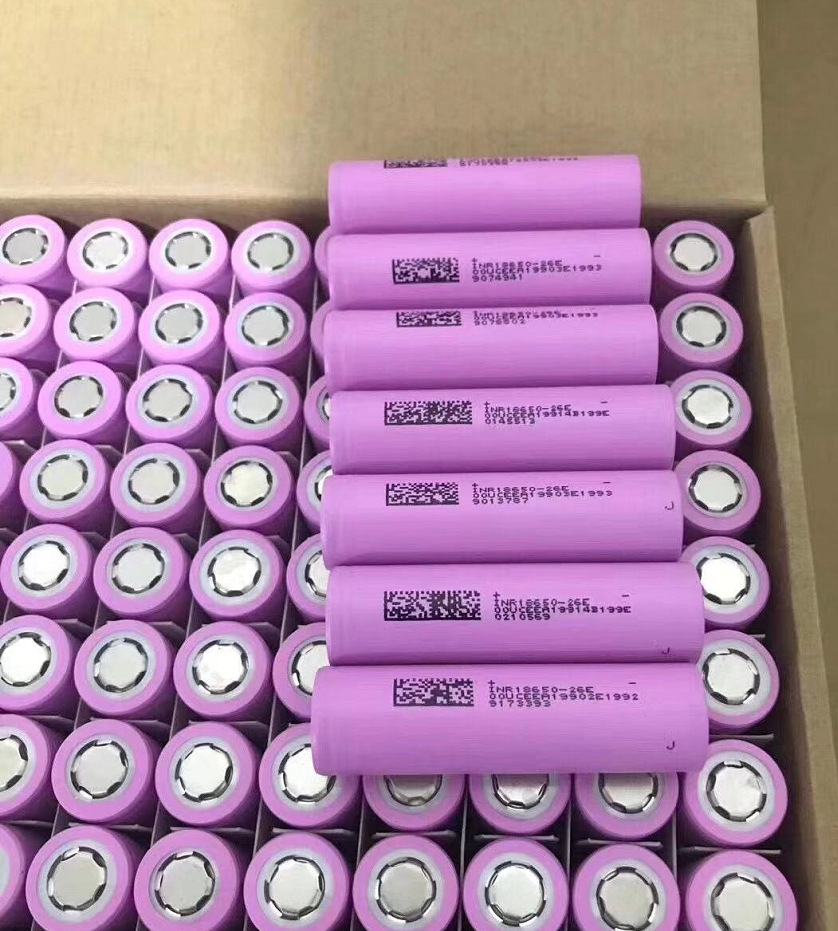
Factory Direct 18650 LFP Cells China Export: No High Discharge Rate for Solar Storage Projects
By Battery Technology Specialist | March 2026
When sourcing lithium battery cells directly from Chinese manufacturers for solar energy storage systems, technical procurement teams must understand a critical limitation: 18650 LFP (LiFePO₄) cells are not designed for high discharge rate applications. This fundamental characteristic significantly impacts system design, performance expectations, and long-term reliability in photovoltaic storage installations.
Understanding 18650 LFP Cell Specifications
The 18650 designation refers to the cylindrical cell’s physical dimensions—18mm diameter and 65mm length. When configured with LiFePO₄ chemistry, these cells offer a nominal voltage of 3.2V with a charging cutoff at 3.65V, distinguishing them from NCM/NCA counterparts that operate at 3.7V nominal and 4.2V maximum.
For solar storage projects, the discharge rate specification becomes paramount. Standard 18650 LFP cells typically support continuous discharge rates of 0.5C to 1C, meaning a 2000mAh cell can safely deliver 1000-2000mA continuously. This contrasts sharply with high-power applications requiring 3C-10C discharge capabilities.
Why High Discharge Rates Matter in Solar Storage
Solar energy storage systems operate under specific load profiles that differ fundamentally from power tools or electric vehicles. The primary function involves:
- Energy shifting: Storing excess photovoltaic generation during daylight hours
- Load leveling: Providing power during evening peak consumption periods
- Backup power: Supplying electricity during grid outages
These applications prioritize energy density and cycle life over peak power delivery. A typical residential solar storage system discharges at 0.2C-0.5C rates, making standard 18650 LFP cells technically suitable when properly configured in battery packs.
Technical Limitations for High-Drain Applications
Attempting to use 18650 LFP cells in high discharge scenarios creates multiple risks:
Thermal Management Challenges: Exceeding recommended C-rates generates excessive heat, accelerating electrolyte decomposition and SEI layer degradation. Without sophisticated thermal management systems, cell temperatures can exceed safe operating limits (typically 45-60°C).
Voltage Sag: High current draw causes significant voltage drops due to internal resistance (typically 30-60mΩ for quality LFP 18650 cells). This reduces effective capacity and may trigger premature low-voltage cutoffs in battery management systems.
Cycle Life Reduction: Operating beyond specified discharge rates can reduce cycle life from the expected 2000-4000 cycles to under 1000 cycles, compromising the economic viability of solar storage investments.
Factory Direct Sourcing Considerations
When procuring 18650 LFP cells directly from Chinese manufacturers for export projects, technical buyers should verify:
Grade Classification: Ensure Grade A cells with documented capacity testing. Lower grades may have inconsistent performance characteristics unsuitable for long-term storage applications.
Certification Compliance: Verify UN38.3, CE, and IEC 62619 certifications for international shipping and installation compliance.
Batch Traceability: Request manufacturing date codes and batch documentation for quality assurance and warranty purposes.
For comprehensive product specifications and technical documentation, visit our cylindrical battery cell catalog to review available 18650 LFP options with detailed discharge curves and performance data.
System Design Recommendations
For solar storage projects utilizing 18650 LFP cells, engineers should implement:
Parallel Configuration: Increase capacity through parallel cell arrangements rather than pushing individual cells beyond rated discharge limits. A 4P configuration quadruples current capability while maintaining safe per-cell C-rates.
BMS Integration: Deploy sophisticated battery management systems with individual cell monitoring, temperature sensors, and current limiting functionality to prevent over-discharge conditions.
Thermal Design: Incorporate passive or active cooling systems when ambient temperatures exceed 35°C or when pack configurations limit natural heat dissipation.
Cost-Benefit Analysis
The factory direct pricing model offers significant advantages for large-scale solar storage deployments. Current market rates for Grade A 18650 LFP cells range from US$0.85-0.89 per unit at volume quantities (10,000+ pieces), making them cost-competitive for stationary storage applications where energy density outweighs power density requirements.
However, total system cost must account for BMS integration, thermal management, and assembly labor. Working with established battery manufacturers in China ensures technical support throughout the project lifecycle.
Conclusion
18650 LFP cells represent a viable solution for solar storage projects when discharge rate expectations align with technical capabilities. The key lies in proper system design, realistic performance specifications, and quality sourcing from verified manufacturers.
For technical consultation on your specific solar storage requirements or to discuss factory direct procurement options, contact our engineering team at CNS Battery for personalized project support and specification validation.
This technical analysis reflects current industry standards as of March 2026. Always consult manufacturer datasheets and perform application-specific testing before finalizing battery selection for commercial deployments.