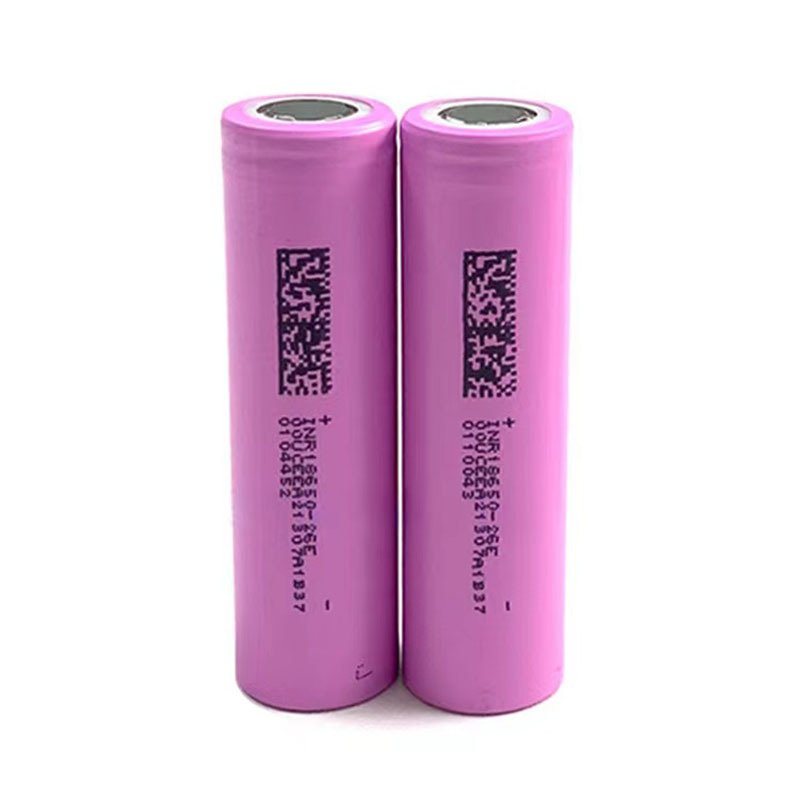
21700 3.7V 5500mAh 3C EV Battery Cell: Technical Specifications and Procurement Guide for B2B Buyers
The 21700 cylindrical lithium-ion battery cell has become the industry standard for electric vehicle (EV) applications, energy storage systems, and high-power consumer electronics. Among various specifications, the 3.7V 5500mAh 3C configuration represents an optimal balance between energy density and discharge capability. This article provides B2B buyers with essential technical insights, compliance considerations, and procurement guidelines for this battery category.
Core Technical Specifications
The 21700 cell designation refers to its physical dimensions: 21mm diameter and 70mm length. This form factor offers approximately 20% higher energy density compared to traditional 18650 cells while reducing the total cell count in battery packs by nearly 30%. The 3.7V nominal voltage with 5500mAh capacity delivers approximately 20.35Wh of energy per cell, making it suitable for applications requiring extended runtime without compromising power delivery.
The 3C discharge rating indicates a maximum continuous discharge current of 16.5A (5500mAh × 3), which accommodates moderate to high-power applications including electric bicycles, light electric vehicles, portable power stations, and industrial equipment. Key electrical parameters include:
- Nominal Voltage: 3.6V-3.7V
- Rated Capacity: 5500mAh @ 0.2C discharge rate
- Charging Cut-off Voltage: 4.2V ± 0.05V
- Discharge Cut-off Voltage: 2.5V
- Internal Resistance: ≤ 25mΩ
- Cycle Life: 1000+ cycles at 80% depth of discharge
- Operating Temperature: -20°C to 60°C (discharge), 0°C to 45°C (charge)
Compliance and Certification Requirements
For international B2B transactions, regulatory compliance represents a critical procurement consideration. Reputable manufacturers should provide comprehensive certification documentation including UN38.3 transportation safety certification, IEC 62133 international safety standards, and regional certifications such as CE (Europe), UL (North America), or CCC (China domestic market).
Battery importers must verify that cells meet destination country requirements. European buyers should confirm REACH compliance for chemical substances, while North American purchasers need to ensure proper hazardous materials documentation for shipping. Quality-focused manufacturers maintain ISO 9001 certification for quality management systems and ISO 14001 for environmental management.
Application Compatibility Assessment
The 5500mAh 3C specification suits multiple application categories:
Electric Mobility: E-bikes, e-scooters, and light electric vehicles benefit from the capacity-discharge balance. A typical 48V e-bike battery pack requires 13-14 cells in series, delivering approximately 260-280Wh total energy.
Energy Storage Systems: Residential and commercial ESS applications utilize these cells for their stable discharge characteristics and long cycle life. Parallel configurations enable scalable capacity while maintaining system voltage.
Industrial Equipment: Portable tools, medical devices, and communication equipment require reliable power sources with consistent performance across temperature variations.
When evaluating compatibility, buyers should consider battery management system (BMS) requirements, thermal management needs, and mechanical integration constraints. Cell matching within packs is essential—voltage variation should not exceed 10mV, and capacity variation should remain under 3% for optimal pack performance.
Procurement Best Practices
Supplier Verification: Engage only with established manufacturers possessing verifiable production capacity and quality control systems. Request factory audit reports or arrange third-party inspections before committing to large orders. Learn more about qualified battery manufacturers in China to identify reliable production partners.
Sample Testing: Always request production samples for independent testing before bulk procurement. Verify capacity, internal resistance, self-discharge rate, and cycle life against specifications. Reputable suppliers provide detailed test reports with traceable batch numbers.
Pricing Structure: Understand that pricing varies based on order volume, customization requirements, and delivery terms. Typical MOQ ranges from 1,000 to 5,000 cells for standard specifications. Custom configurations may require higher minimum orders. Request comprehensive quotations including packaging, documentation, and shipping costs.
Lead Time Management: Standard cells typically ship within 2-4 weeks after order confirmation. Customized specifications or large volumes may extend lead times to 6-8 weeks. Build buffer time into project schedules to accommodate potential delays.
Quality Assurance: Establish clear acceptance criteria covering capacity tolerance (±3%), voltage consistency, appearance standards, and packaging requirements. Define procedures for handling non-conforming products and establish warranty terms covering manufacturing defects.
Technical Support and After-Sales Considerations
Reliable suppliers provide comprehensive technical documentation including specification sheets, safety data sheets (SDS), transportation documentation, and application guidelines. Post-sales support should include technical consultation for pack design, troubleshooting assistance, and warranty claim processing.
For ongoing partnership development, maintain open communication channels with your supplier. Regular performance reviews help identify improvement opportunities and ensure consistent quality across production batches.
Conclusion
The 21700 3.7V 5500mAh 3C battery cell represents a mature, reliable solution for diverse EV and energy storage applications. Successful procurement requires thorough supplier evaluation, comprehensive compliance verification, and clear quality expectations. Partner with manufacturers who demonstrate technical expertise, production capability, and commitment to long-term customer relationships.
For detailed product specifications and customization options, explore our cylindrical battery cell catalog. To discuss your specific requirements or request samples, contact our team for personalized consultation and competitive quotations.
Investing time in proper supplier selection and technical validation delivers significant returns through reduced quality issues, minimized project delays, and optimized total cost of ownership for your battery-powered products.