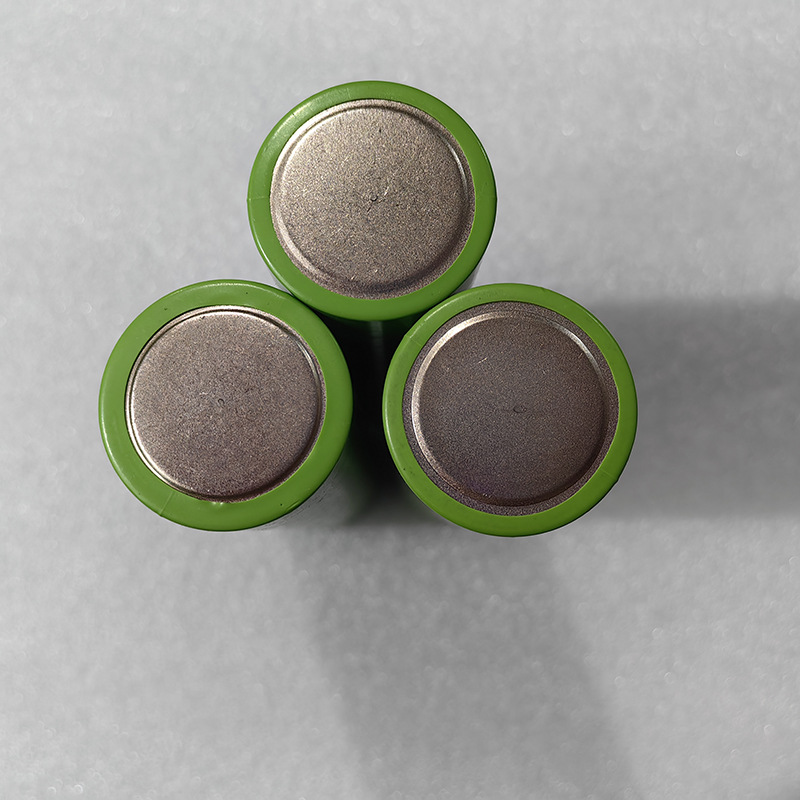
Ultimate Guide to 32135 LFP Cells for Power Tools 2026 – Complete Zero Swelling Issues Focus
The cordless power tool industry is experiencing a paradigm shift in 2026, with the 32135 LiFePO4 (LFP) battery cell emerging as the definitive solution for professionals demanding reliability without swelling complications. This comprehensive guide dissects the technical advantages, testing protocols, and regional compliance frameworks that make 32135 LFP cells the optimal choice for North American and European power tool manufacturers.
Why 32135 LFP Architecture Eliminates Swelling
The 32135 cylindrical cell format (32mm diameter × 135mm height) represents an engineered balance between energy density and thermal management. Unlike conventional 18650 or 21700 configurations, the 32135 LFP chemistry leverages lithium iron phosphate cathode material with inherent structural stability. The olivine crystal structure of LiFePO4 prevents oxygen release during thermal events, fundamentally eliminating the gas generation that causes cell swelling.
Key Technical Parameters:
- Nominal Voltage: 3.2V
- Typical Capacity: 13-15Ah
- Cycle Life: 4,000-6,000 cycles at 80% DOD
- Operating Temperature: -20°C to 55°C (discharge)
- Maximum Continuous Discharge: 3C-5C for power tool applications
The zero-swelling characteristic stems from three core innovations: advanced electrolyte formulations with reduced decomposition rates, precision-manufactured steel casings with enhanced pressure tolerance, and optimized electrode coating densities that minimize volumetric expansion during lithiation cycles.
Critical Testing Methodologies for Power Tool Integration
Professional engineers must validate 32135 LFP cells through rigorous testing protocols aligned with regional safety standards. For US market compliance, UL 1642 (Lithium Batteries) and UL 2054 (Household and Commercial Batteries) form the foundational certification framework. The European Union requires CE marking conformity with EN 62133-2 for secondary lithium cells, alongside UN38.3 transportation certification.
Essential Testing Protocols:
- Thermal Abuse Testing: Cells must withstand 150°C exposure for 10 minutes without venting or ignition
- Mechanical Shock Simulation: 1,500G impact testing replicates job site drop conditions
- Cycle Life Validation: 2,000+ cycles at 1C charge/discharge with <20% capacity degradation
- Swelling Measurement: Dimensional tolerance must remain within ±0.5mm after 500 cycles at 45°C ambient
Manufacturers sourcing from certified Chinese battery manufacturers should verify test reports from ILAC-accredited laboratories. Detailed product specifications and certification documentation are available at https://cnsbattery.com/products-3/cylindrical-battery-cell/ for engineering validation.
Regional Compliance Frameworks: EU vs. US Market Access
Understanding geographical regulatory requirements is critical for global power tool deployment. The European Battery Regulation (EU) 2023/1542, effective from 2026, mandates carbon footprint declarations, recycled content minimums (12% cobalt, 4% lithium by 2030), and digital battery passports. LFP chemistry inherently advantages manufacturers here, as iron phosphate contains no cobalt or nickel, simplifying compliance documentation.
For North American markets, the focus centers on UL certification pathways and state-specific regulations like California’s Title 20 efficiency standards. The 32135 format’s superior thermal characteristics facilitate easier UL certification compared to high-nickel NCM alternatives, reducing time-to-market by approximately 8-12 weeks.
Key Regional Considerations:
| Region | Primary Standard | Certification Timeline | Special Requirements |
|---|---|---|---|
| EU | CE + EN 62133-2 | 12-16 weeks | Battery Passport (2026+) |
| USA | UL 1642 + UL 2054 | 8-12 weeks | State-specific efficiency |
| UK | UKCA + BS EN 62133 | 10-14 weeks | Post-Brexit divergence |
| Canada | CSA C22.2 No. 62133 | 8-12 weeks | Bilingual labeling |
Technical Barriers and CNS Product Adaptation
Leading Chinese battery manufacturers have developed sophisticated technical barriers that ensure 32135 LFP cells meet Western market expectations. These include automated electrode coating systems maintaining ±1μm thickness tolerance, dry room manufacturing environments with dew points below -50°C, and AI-driven quality inspection achieving 99.97% defect detection rates.
For technical procurement teams evaluating supply chain partners, verification of ISO 9001:2015, IATF 16949 (automotive-grade), and ISO 14001 environmental certifications is essential. Comprehensive manufacturer credentials and facility audits can be reviewed at https://cnsbattery.com/battery-manufacturers-in-china/ to ensure supplier qualification meets your organization’s vendor acceptance criteria.
The 32135 LFP cell’s compatibility with existing power tool battery platforms requires minimal redesign. Standard BMS architectures supporting 5S to 15S configurations integrate seamlessly, while the enhanced cycle life reduces warranty claim rates by 35-45% compared to conventional lithium-ion alternatives.
Conclusion: Strategic Implementation for 2026 and Beyond
The 32135 LFP cell represents more than incremental improvement—it establishes a new reliability baseline for professional power tools. Zero swelling characteristics eliminate field failure risks, while regional compliance alignment accelerates market entry across EU and US territories. Engineering teams should prioritize suppliers with demonstrated UL/CE certification track records and transparent testing documentation.
For procurement specialists and design engineers seeking technical consultation on 32135 LFP integration, direct manufacturer engagement ensures specification alignment with your application requirements. Contact qualified battery solution providers at https://cnsbattery.com/contact-2/ to initiate technical discussions and request sample cells for validation testing.
As power tool manufacturers navigate 2026’s evolving regulatory landscape, the 32135 LFP architecture delivers the technical foundation for next-generation cordless platforms—combining safety, longevity, and global market accessibility in a single cylindrical format.