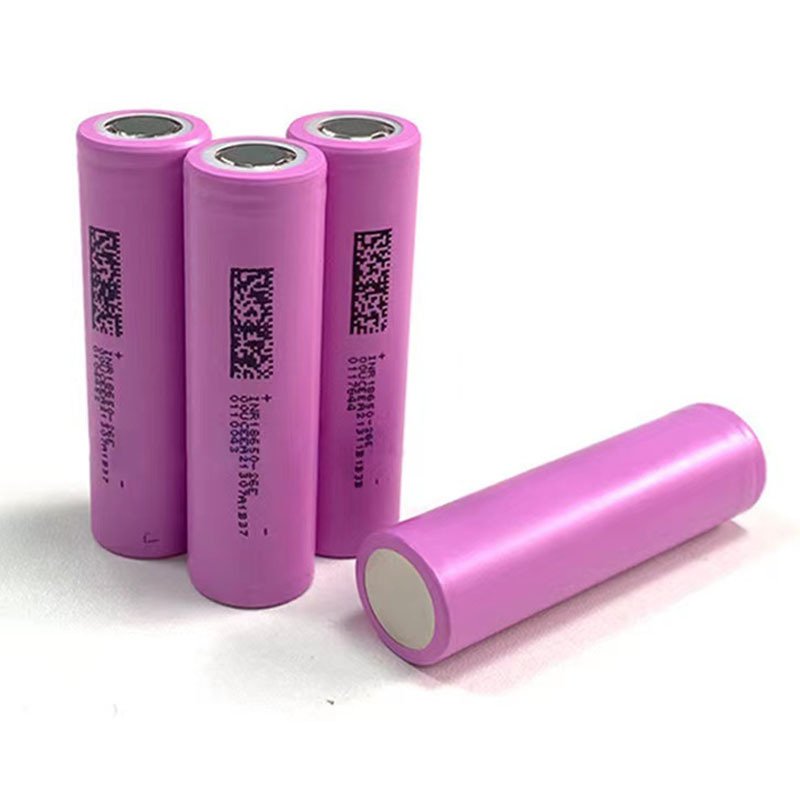
Factory Audit IATF16949 33140 Lithium Ion Cylindrical Battery Cells for EV – Low Price High Quality
The electric vehicle revolution demands battery solutions that balance performance, safety, and cost-effectiveness. For procurement managers, engineering teams, and supply chain decision-makers sourcing lithium-ion cylindrical battery cells, understanding IATF16949 factory audit requirements alongside 33140 cell specifications is critical for making informed purchasing decisions. This comprehensive guide addresses the core considerations for evaluating Chinese battery manufacturers supplying EV-grade cylindrical cells.
Understanding IATF16949 Certification for Battery Manufacturers
IATF16949 represents the global automotive industry’s quality management standard, building upon ISO9001 with automotive-specific requirements. The 2025-2026 regulatory updates have intensified certification requirements, particularly for electric vehicle component suppliers. First-time certification pass rates remain below 50%, with over 90% of manufacturers encountering compliance challenges during audits.
For battery cell manufacturers, IATF16949 certification validates critical capabilities including defect prevention, supply chain traceability, continuous improvement processes, and product safety protocols. When evaluating potential suppliers, verify their certification status covers the specific manufacturing site producing your cells—not just corporate headquarters. The 2026新规 (new regulations) tightened manufacturing site definitions, requiring facilities within 16 kilometers or 60 minutes driving distance to maintain unified certification coverage.
Key audit focus areas for battery manufacturers include:
- Core Tools Implementation: APQP, PPAP, FMEA, SPC, and MSA must demonstrate active deployment
- Traceability Systems: Complete material lot tracking from raw materials through finished cells
- Process Control: Statistical monitoring of coating thickness, welding parameters, and electrolyte filling
- Safety Management: Thermal runaway prevention, cell testing protocols, and failure analysis capabilities
33140 Cylindrical Cell Technical Specifications
The 33140 cylindrical battery cell format has gained significant traction in EV and energy storage applications. This designation indicates physical dimensions: 33mm diameter and 140mm height. These cells typically utilize LiFePO4 (LFP) chemistry, offering distinct advantages for commercial applications.
Core Technical Parameters:
- Nominal Voltage: 3.2V (LFP chemistry)
- Capacity Range: 15-16Ah typical for quality manufacturers
- Internal Resistance: 1.8-2.0 milliohms for premium grades
- Cycle Life: 2000-3000+ cycles at 80% depth of discharge
- Operating Temperature: -20°C to 60°C standard range
- Charge/Discharge Rate: 1C-3C continuous, with high-power variants reaching 5C
Compared to traditional 18650 or 21700 formats, 33140 cells offer higher capacity per unit while maintaining cylindrical form factor benefits including mechanical robustness, established manufacturing infrastructure, and efficient pack integration. The larger format reduces total cell count in battery packs, simplifying BMS complexity and connection points.
Quality Indicators Beyond Certification
While IATF16949 certification provides baseline quality assurance, discerning buyers should evaluate additional manufacturer capabilities:
Manufacturing Infrastructure: Automated production lines with real-time quality monitoring demonstrate commitment to consistency. Look for manufacturers investing in dry room environments (dew point <-40°C), precision coating equipment, and automated welding systems.
Testing Capabilities: Comprehensive testing should include capacity grading, internal resistance sorting, self-discharge monitoring, and safety testing per UN38.3, IEC62133, and UL standards. Request test reports for specific production batches.
Supply Chain Transparency: Quality manufacturers maintain traceability for cathode materials, anode materials, separators, and electrolytes. Geographic sourcing affects both cost and supply security—Chinese manufacturers benefit from integrated domestic supply chains reducing material costs 15-20% compared to imported alternatives.
Cost-Quality Balance for EV Applications
The “low price high quality” proposition requires careful evaluation. Legitimate cost advantages stem from manufacturing scale, vertical integration, and regional supply chain benefits—not quality compromises. Expect price ranges of $3.30-4.50 per 33140 cell for IATF16949 certified manufacturers, with volume discounts available for orders exceeding 10,000 units.
Red flags indicating potential quality issues include prices significantly below market averages, reluctance to share test data, inability to provide sample cells for evaluation, or lack of third-party certification beyond self-declared specifications.
Selecting Reliable Chinese Battery Manufacturers
China dominates global lithium battery production, accounting for over 70% of worldwide manufacturing capacity. However, manufacturer capabilities vary significantly. Established manufacturers with export experience to North American and European markets demonstrate better understanding of regional compliance requirements and quality expectations.
When evaluating potential partners, consider:
- Export history to your target markets
- Technical support capabilities including engineering collaboration
- After-sales service and warranty terms
- Production capacity and lead time reliability
- Financial stability for long-term partnership viability
For comprehensive manufacturer evaluation and direct engagement with qualified suppliers, visit https://cnsbattery.com/battery-manufacturers-in-china/ to access vetted manufacturer directories with detailed capability profiles.
Next Steps for Procurement Teams
Successful battery cell sourcing requires systematic evaluation combining certification verification, technical assessment, and commercial negotiation. Request factory audit reports, sample cells for independent testing, and reference customer contacts before committing to large orders.
For detailed 33140 cylindrical cell specifications and available configurations, explore https://cnsbattery.com/products-3/cylindrical-battery-cell/ to compare technical parameters across different manufacturer offerings.
Establish direct communication with potential suppliers to discuss your specific application requirements, volume needs, and quality expectations. Professional manufacturers welcome technical discussions and provide engineering support throughout the evaluation process.
To initiate supplier conversations or request quotations for your EV battery projects, contact qualified manufacturers through https://cnsbattery.com/contact-2/ for responsive communication channels supporting international business requirements.
The intersection of IATF16949 compliance and 33140 cell technology represents significant opportunity for EV manufacturers seeking reliable, cost-effective battery solutions. By applying rigorous evaluation criteria and leveraging established manufacturer networks, procurement teams can secure supply partnerships delivering both quality assurance and competitive pricing for sustainable growth in the electric vehicle market.