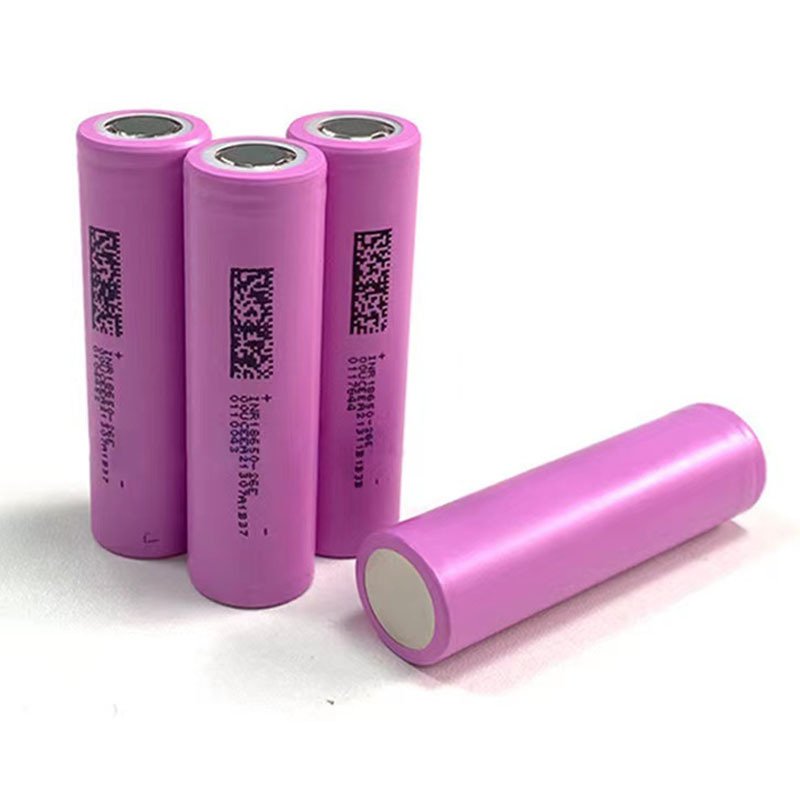
40135 LFP Battery Cells for Electric Yacht OEMs: High Discharge Rate & Low Self Discharge Solve Issues Completely
The electric yacht industry faces unique power storage challenges that demand specialized battery solutions. Marine environments require cells that deliver consistent high-power output during navigation while maintaining charge integrity during extended docking periods. The 40135 LFP (Lithium Iron Phosphate) cylindrical battery cell has emerged as the optimal solution for electric yacht OEMs, addressing both high discharge rate requirements and low self-discharge concerns comprehensively.
Understanding the 40135 LFP Cell Architecture
The 40135 designation refers to cylindrical cell dimensions: 40mm diameter and 135mm length. This form factor provides an excellent balance between energy density and thermal management capabilities. LFP chemistry offers inherent safety advantages critical for marine applications, including superior thermal stability and resistance to thermal runaway compared to NCM alternatives.
High Discharge Rate: Powering Marine Propulsion Systems
Electric yacht propulsion systems demand sustained high-current discharge during acceleration and maneuvering. The 40135 LFP cells achieve discharge rates of 3C to 5C continuously, with peak capabilities reaching 10C for short bursts. This performance stems from optimized electrode design and reduced internal impedance.
Technical Foundation: The low DC internal resistance (typically below 4.5mΩ at 20% SOC) enables efficient power delivery without excessive heat generation. During highway cruising equivalents in marine contexts, this translates to consistent thrust availability even at lower state-of-charge levels. The olivine crystal structure of LiFePO4 provides stable voltage platforms throughout discharge cycles, ensuring predictable propulsion performance.
For OEMs designing battery packs, this high discharge capability means reduced cell count requirements for equivalent power output, lowering overall system weight and complexity. Explore cylindrical battery cell specifications for detailed technical parameters applicable to marine configurations.
Low Self-Discharge: Solving Extended Docking Challenges
Marine vessels frequently experience extended idle periods between voyages. Traditional battery chemistries suffer significant capacity loss during storage, requiring frequent recharging and increasing operational costs. The 40135 LFP cells demonstrate self-discharge rates below 3% per month at 25°C, dramatically outperforming alternative chemistries.
Mechanism Explanation: The stable SEI (Solid Electrolyte Interphase) layer on LFP anodes minimizes parasitic reactions during storage. Additionally, the thermodynamically stable Fe-P-O bonding structure reduces internal chemical degradation. This characteristic proves essential for yacht owners who store vessels seasonally or maintain multiple boats in rotation.
Practical implications include:
- Reduced maintenance charging frequency
- Lower energy costs during storage periods
- Immediate availability upon deployment without preconditioning
- Extended calendar life exceeding 10 years under proper storage conditions
Testing Methodologies and Validation Protocols
Comprehensive cell validation requires standardized testing procedures aligned with international marine battery standards. Key testing parameters include:
Performance Testing: Capacity verification at C/3, 1C, and 3C discharge rates across temperature ranges from -20°C to 60°C. Voltage curve analysis ensures consistent power delivery throughout discharge cycles.
Safety Testing: Overcharge, over-discharge, short-circuit, and thermal abuse tests per IEC 62619 standards. Marine-specific vibration and shock testing simulates wave impact conditions.
Environmental Testing: Salt spray corrosion resistance (IEC 60068-2-52), humidity exposure (85% RH at 85°C), and IP67 waterproofing validation for cells installed below deck.
Cycle Life Validation: Minimum 3000 cycles at 80% DOD with less than 20% capacity degradation, verified through accelerated aging protocols.
Regional Compliance and Technical Barriers
Electric yacht OEMs targeting global markets must navigate varying certification requirements. CNS battery products address these regional compliance needs through comprehensive certification portfolios.
European Union Compliance: CE marking requires adherence to IEC 62619 (secondary lithium cells safety), IEC 62133 (portable equipment), and UN38.3 (transportation). The updated IMDG Code 42-24 (effective January 2026) mandates UN3556 classification for lithium battery-powered vessels, replacing previous UN3171 designations. CNS products maintain full compliance with these evolving regulations.
United States Standards: UL 1642 (lithium cells) and UL 2054 (battery packs) certifications ensure market access. Additional state-specific requirements, particularly California’s energy storage regulations, demand rigorous documentation of cell chemistry and safety systems.
Technical Barrier Navigation: Chinese battery manufacturers have established significant competitive advantages through vertical integration of supply chains and scaled production capabilities. However, successful market penetration requires more than cost competitiveness. Learn about battery manufacturers in China and their approach to meeting international quality benchmarks.
The geographical adaptability of 40135 LFP cells extends beyond certification compliance. Thermal management systems designed for Mediterranean climates differ from Nordic conditions, requiring flexible BMS programming and cell balancing algorithms. CNS engineering teams provide region-specific customization support, ensuring optimal performance across diverse operating environments.
Conclusion: Complete Solution for Electric Yacht OEMs
The 40135 LFP battery cell represents a mature technology platform addressing the dual challenges of high discharge rate demands and low self-discharge requirements inherent to electric yacht applications. OEMs selecting this chemistry benefit from established supply chains, comprehensive testing data, and global certification coverage.
For technical procurement teams evaluating battery suppliers, verification of manufacturing consistency, quality control protocols, and after-sales support capabilities proves equally important as cell specifications. Contact CNS battery specialists to discuss project-specific requirements and obtain samples for validation testing.
The electric yacht market continues expanding rapidly, with regulatory pressure favoring zero-emission vessels in coastal waters worldwide. Battery technology selection today determines competitive positioning for the next decade. The 40135 LFP platform offers the reliability, performance, and compliance foundation necessary for successful OEM partnerships in this evolving maritime sector.