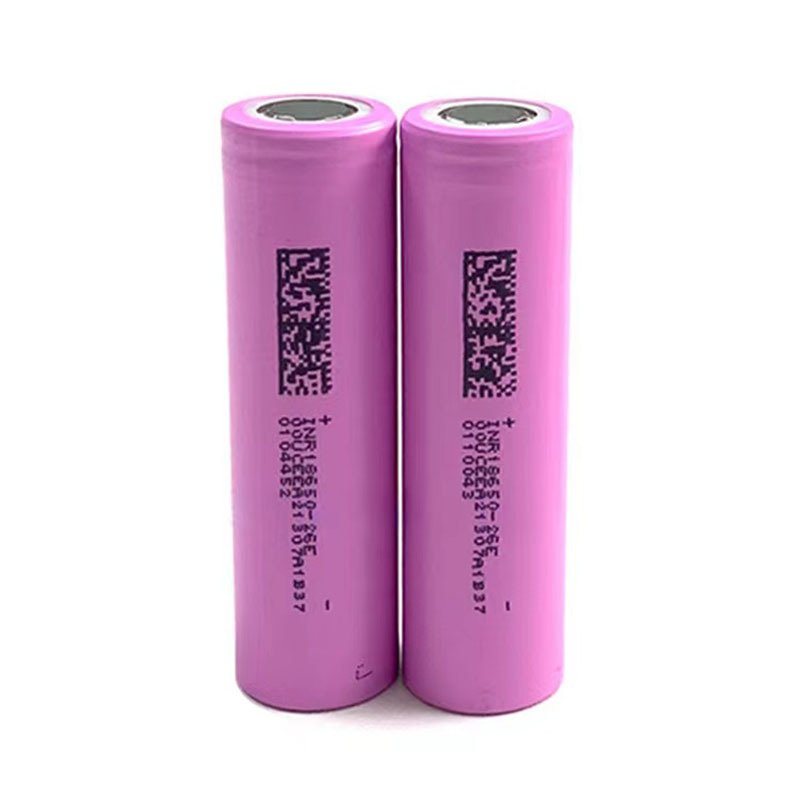
EU Battery Regulation Compliant LFP Cylindrical Battery Cell | 2024 Standard
The European Union’s new Battery Regulation (EU) 2023/1542 has fundamentally reshaped the global lithium battery landscape, establishing stringent requirements for sustainability, safety, and traceability. For engineers and technical procurement specialists evaluating power solutions, understanding compliance implications for LFP (Lithium Iron Phosphate) cylindrical battery cells is critical for 2024 and beyond.
Understanding the EU Battery Regulation Framework
The regulation introduces comprehensive obligations covering carbon footprint declaration, recycled content minimums, due diligence for raw materials, and end-of-life management. For LFP cylindrical cells, several technical parameters demand particular attention:
Carbon Footprint Documentation: Manufacturers must provide lifecycle carbon emissions data per kWh, calculated according to PEF (Product Environmental Footprint) methodology. LFP chemistry inherently offers advantages here, as iron and phosphate sourcing typically generates lower embedded carbon compared to nickel-rich alternatives.
Battery Passport Requirements: Each industrial battery requires digital identification containing technical specifications, manufacturing location, and compliance certificates. This traceability system ensures full supply chain transparency from raw material extraction to final assembly.
Technical Advantages of LFP Cylindrical Architecture
LFP cylindrical cells present distinct engineering benefits for EU market applications:
Thermal Stability: The olivine crystal structure of LiFePO₄ provides superior thermal runaway resistance, with decomposition temperatures exceeding 270°C. This characteristic simplifies thermal management system design and enhances overall pack safety—critical for meeting EU safety standards.
Cycle Life Performance: Properly manufactured LFP cylindrical cells achieve 3,000-5,000 full cycles at 80% depth of discharge while maintaining 80% capacity retention. The cylindrical format enables uniform pressure distribution during cycling, reducing mechanical degradation.
Manufacturing Consistency: Cylindrical cells benefit from mature winding technology and automated quality control processes. Standard formats (such as 26650, 32650, and 4680) ensure compatibility with existing production equipment while meeting regulation-mandated quality thresholds.
Compliance Verification for Technical Procurement
When evaluating suppliers for EU-compliant LFP cylindrical cells, technical buyers should verify:
Certification Documentation: Request UN38.3, IEC62619, CE marking, and specific EU Battery Regulation conformity assessments. Reputable battery manufacturers in China maintain comprehensive certification portfolios for export markets.
Material Traceability: Confirm cobalt-free composition documentation and supply chain audit reports. LFP chemistry eliminates cobalt dependency, simplifying due diligence requirements under the regulation’s critical raw materials provisions.
Performance Validation: Require third-party test reports confirming capacity, internal resistance, and cycle life claims. Cylindrical cell specifications should align with application requirements while exceeding minimum regulatory thresholds.
Integration Considerations for System Designers
System engineers must account for several factors when integrating compliant LFP cylindrical cells:
Voltage Configuration: LFP’s nominal 3.2V cell voltage requires careful series-parallel arrangement to match application voltage windows. The flat discharge curve provides stable power delivery but demands accurate BMS calibration for state-of-charge estimation.
Temperature Operating Range: While LFP offers enhanced safety, low-temperature performance requires attention. Charging below 0°C necessitates heating protocols to prevent lithium plating, affecting system energy budget calculations.
Mechanical Integration: Cylindrical cells require precise fixture design to maintain contact pressure while accommodating thermal expansion. Standard formats simplify mechanical design and facilitate future replacement or recycling.
Partner Selection for Regulatory Compliance
Selecting the right manufacturing partner ensures ongoing compliance as regulations evolve. Established manufacturers maintain dedicated compliance teams monitoring regulatory updates and adapting production processes accordingly. For detailed technical specifications on compliant cylindrical solutions, explore our cylindrical battery cell product range designed for EU market requirements.
Technical procurement decisions should prioritize manufacturers with proven export track records, transparent supply chains, and responsive technical support. Direct communication with engineering teams facilitates custom solutions addressing specific application requirements while maintaining full regulatory compliance.
For comprehensive technical consultation and compliance documentation, contact our engineering team through our contact page. Our specialists provide detailed carbon footprint calculations, battery passport preparation support, and integration guidance for EU market deployment.
The transition to EU Battery Regulation compliance represents both challenge and opportunity. LFP cylindrical technology, combined with experienced manufacturing partnerships, delivers the performance, safety, and documentation required for successful European market entry in 2024 and beyond.