

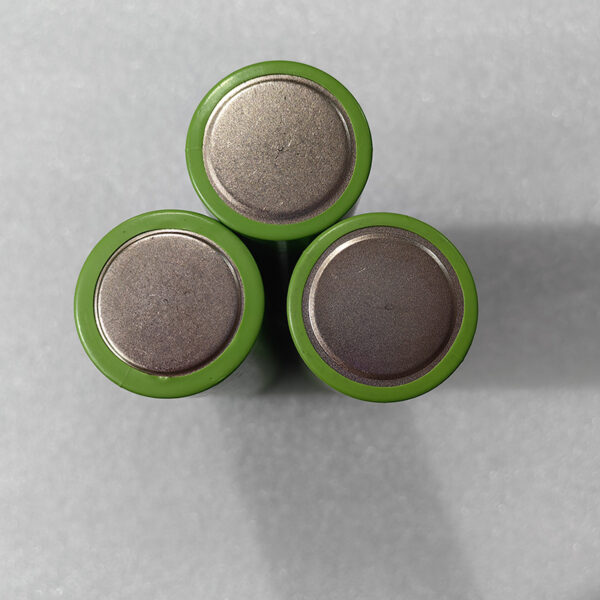
Top 5 Sample Test Report Problems with 46135 Cells in E-bike Applications & Solutions Low Price High Quality
The rapid expansion of the global e-bike market has intensified demand for reliable, high-performance battery solutions. Among various cell formats, the 46135 cylindrical lithium battery cell has emerged as a preferred choice for e-bike manufacturers seeking optimal balance between energy density, thermal management, and cost efficiency. However, sample test reports frequently reveal critical issues that can compromise product quality and market competitiveness. As professional lithium battery practitioners, we identify the top 5 test report problems and provide actionable solutions for B2B buyers worldwide.
1. Capacity Inconsistency Across Cell Batches
Problem: Test reports often show capacity variations exceeding ±3% between cells from the same production batch, violating industry standards requiring ±2% tolerance for e-bike applications.
Technical Analysis: This inconsistency stems from uneven coating thickness during electrode manufacturing and variations in electrolyte filling volumes. For 46135 cells targeting 15-18Ah capacity, even minor deviations impact pack-level performance significantly.
Solution: Implement strict incoming quality control (IQC) protocols with random sampling rates of minimum 5% per batch. Partner with established battery manufacturers in China who maintain ISO 9001 certified production lines with automated coating systems ensuring uniform electrode thickness within ±1.5μm tolerance.
2. Premature Cycle Life Degradation
Problem: Sample tests reveal capacity retention below 80% after 500 cycles, falling short of the 800-1000 cycle expectation for quality e-bike batteries.
Technical Analysis: The 46135 format’s larger diameter creates thermal gradients during high-current discharge (15-20A continuous). Without proper thermal management, localized heating accelerates SEI layer growth and lithium plating on the anode.
Solution: Specify cells with advanced electrolyte additives including VC (vinylene carbonate) and FEC (fluoroethylene carbonate) at 2-3% concentration. Request cycle test data at multiple C-rates (0.5C, 1C, 2C) and temperature conditions (0°C, 25°C, 45°C). Our cylindrical battery cell range incorporates these formulations, delivering 85% capacity retention after 800 cycles at 1C discharge.
3. Internal Resistance Variation
Problem: Test reports document DC internal resistance (DCIR) spreads of 8-12mΩ within single batches, causing uneven current distribution in parallel configurations.
Technical Analysis: For 46135 cells, acceptable DCIR should remain below 6mΩ with batch variation under ±0.5mΩ. Higher resistance generates excessive heat during peak power demands (hill climbing, acceleration), reducing overall pack efficiency by 3-5%.
Solution: Demand comprehensive DCIR testing at multiple SOC points (20%, 50%, 80%). Implement cell matching protocols grouping cells within ±0.3mΩ tolerance for parallel strings. Work with suppliers providing detailed test certificates including AC impedance spectroscopy data for comprehensive quality verification.
4. Thermal Runaway Safety Test Failures
Problem: Sample cells fail nail penetration and overcharge tests, posing significant safety risks for e-bike applications where battery packs operate in confined spaces near riders.
Technical Analysis: The 46135’s larger form factor stores more energy (approximately 50-55Wh per cell), making thermal management critical. Failure typically occurs due to inadequate separator quality or insufficient safety vent design.
Solution: Specify ceramic-coated separators (minimum 2μm coating) with shutdown temperature below 135°C. Require UN 38.3, IEC 62133, and UL 1642 certification documentation. Conduct independent third-party testing for nail penetration, external short circuit, and thermal abuse scenarios before mass production approval.
5. BMS Communication Compatibility Issues
Problem: Test reports indicate communication failures between battery management systems and cells, particularly with smart BMS requiring precise voltage and temperature feedback.
Technical Analysis: Voltage measurement accuracy must remain within ±5mV across the full SOC range. Temperature sensor placement and NTC thermistor calibration significantly impact BMS decision-making for charge/discharge control.
Solution: Validate BMS compatibility during sample evaluation phase. Request cells with integrated temperature sensors at multiple points. Ensure supplier provides comprehensive technical documentation including OCV-SOC curves, impedance characteristics, and recommended charge/discharge protocols for seamless BMS integration.
Strategic Sourcing Recommendations for Global Buyers
For B2B purchasers evaluating 46135 cells for e-bike applications, we recommend:
- Request comprehensive test reports including capacity, DCIR, cycle life, and safety test data from minimum 3 production batches
- Conduct factory audits verifying production capacity, quality control systems, and testing equipment calibration
- Establish clear specifications documenting acceptable tolerance ranges for all critical parameters
- Implement incoming inspection protocols before production integration
- Maintain long-term partnerships with qualified suppliers ensuring consistent quality and technical support
Quality 46135 cells combine competitive pricing with uncompromising performance standards. By addressing these 5 common test report problems proactively, e-bike manufacturers can reduce warranty claims, enhance brand reputation, and accelerate market penetration across Europe, North America, and emerging markets.
For detailed technical specifications, sample requests, or manufacturing partnership inquiries, please contact us to discuss how our certified production facilities can support your e-bike battery requirements with low price, high quality solutions tailored to your specific application needs.
This technical analysis reflects current industry standards as of 2026, incorporating lessons learned from global e-bike battery deployments across diverse operating conditions and regulatory environments.


