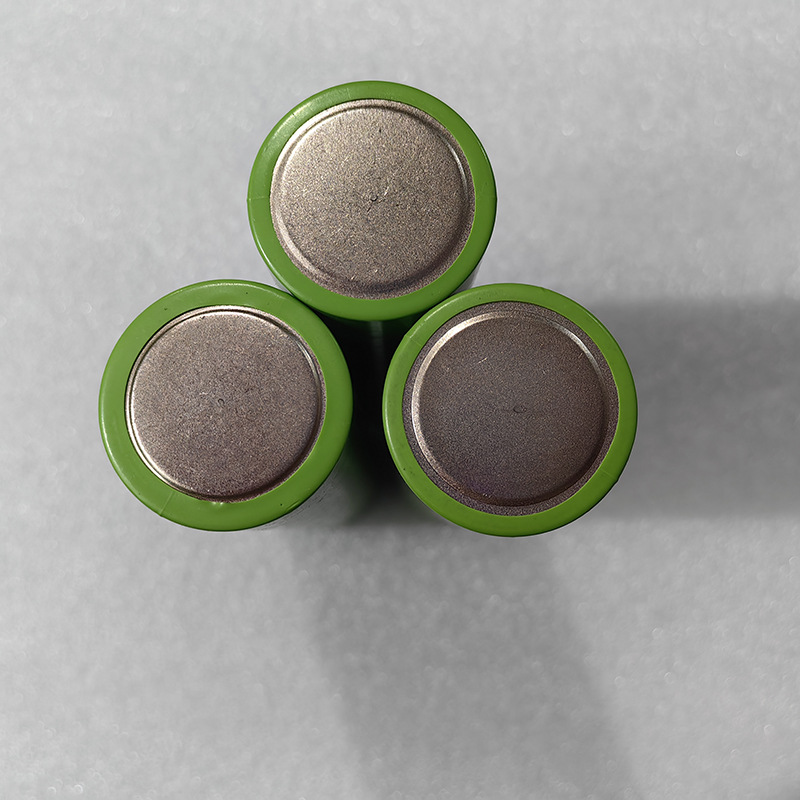
No Fake Rating NCM Cylindrical Battery: Ensuring Authentic Performance in Lithium Cell Procurement
In the rapidly evolving lithium battery industry, rating authenticity has become a critical concern for engineers and technical purchasers worldwide. The term “No Fake Rating” represents more than a marketing claim—it signifies a commitment to transparent specifications, verified performance metrics, and reliable quality assurance in NCM (Nickel-Cobalt-Manganese) cylindrical battery cells. This article examines why authentic ratings matter, how to verify them, and what procurement professionals should prioritize when sourcing cylindrical battery cells from Chinese manufacturers.
Understanding NCM Cylindrical Battery Ratings
NCM cylindrical batteries have become the backbone of numerous applications, from power tools and e-bikes to energy storage systems and electric vehicles. The chemistry composition—typically expressed as NCM 523, 622, or 811—indicates the ratio of nickel, cobalt, and manganese, directly influencing energy density, thermal stability, and cycle life.
However, the market faces a significant challenge: inflated capacity ratings and misrepresented performance specifications. Some manufacturers claim capacities exceeding actual deliverable energy, leading to system design failures, reduced operational lifespan, and safety concerns. A cell rated at 3000mAh that delivers only 2600mAh under standard discharge conditions creates cascading problems in battery pack design and BMS (Battery Management System) calibration.
Key Verification Parameters for Authentic Ratings
Technical purchasers must evaluate multiple parameters beyond nominal capacity:
1. Rated Capacity Verification
Authentic ratings require testing under standardized conditions (typically 0.2C discharge at 25°C). Reputable manufacturers provide detailed test reports showing capacity retention across multiple cycles. The discrepancy between claimed and actual capacity should not exceed 3% for premium-grade cells.
2. Voltage Profile Consistency
NCM cylindrical cells should maintain stable voltage platforms during discharge. Significant voltage drops or irregular curves indicate inferior electrode materials or inconsistent manufacturing processes. Technical teams should request voltage-vs-capacity curves for validation.
3. Internal Resistance (AC/DC)
Low and consistent internal resistance ensures efficient power delivery and reduced heat generation. Cells with elevated resistance experience accelerated degradation and thermal runaway risks. Specification sheets should include both AC impedance and DC resistance measurements.
4. Cycle Life Data
Authentic manufacturers provide cycle life data based on actual testing, not theoretical projections. Look for documented results showing capacity retention after 500, 1000, and 2000 cycles under specified charge-discharge conditions.
Why Chinese Manufacturers Matter in Global Supply Chains
China has established itself as the dominant force in lithium battery manufacturing, accounting for over 70% of global production capacity. However, quality varies significantly across suppliers. Working with verified manufacturers ensures access to cells meeting international standards while maintaining cost competitiveness.
Professional procurement teams should prioritize manufacturers with:
- ISO 9001 and IATF 16949 certifications
- In-house testing laboratories with calibrated equipment
- Transparent supply chain documentation
- Third-party verification reports from organizations like UL, TÜV, or SGS
For comprehensive information about qualified battery manufacturers in China, technical purchasers can reference this resource: Battery Manufacturers in China
Technical Due Diligence Checklist
Before finalizing procurement decisions, engineering teams should implement the following verification protocol:
Sample Testing Protocol
- Request pre-production samples for independent validation
- Conduct capacity testing at multiple C-rates (0.2C, 0.5C, 1C)
- Measure internal resistance across temperature ranges (-20°C to 60°C)
- Perform accelerated aging tests to verify cycle life claims
Documentation Requirements
- Material Safety Data Sheets (MSDS)
- UN 38.3 transportation certification
- Cell-level test reports with batch traceability
- Warranty terms with clear performance guarantees
Manufacturing Audit
- Facility inspection (virtual or on-site)
- Quality control process review
- Raw material sourcing verification
- Production capacity assessment
CNS Battery: Commitment to Rating Authenticity
CNS Battery has built its reputation on transparent specifications and verified performance. Every NCM cylindrical cell undergoes rigorous testing before shipment, with data available for customer review. The company maintains strict quality control protocols ensuring that rated specifications match actual performance across production batches.
For detailed technical specifications and product catalogs, engineers can explore the complete range of cylindrical battery cells: Cylindrical Battery Cell Products
Industry Trends and 2026 Standards
The lithium battery industry is moving toward stricter regulatory frameworks. New safety standards implemented in 2026 require enhanced thermal runaway prevention, improved traceability, and mandatory third-party verification for cells used in transportation and energy storage applications. Manufacturers failing to meet these standards face market exclusion.
Technical purchasers should anticipate:
- Increased documentation requirements
- Mandatory cell-level serialization
- Enhanced safety testing protocols
- Stricter warranty enforcement
Building Long-Term Supplier Relationships
Authentic ratings represent the foundation of trust between manufacturers and purchasers. Establishing long-term partnerships with verified suppliers reduces procurement risks, ensures consistent quality, and provides access to technical support throughout product development cycles.
For direct communication with technical teams and procurement specialists, contact information is available at: Contact CNS Battery
Conclusion
“No Fake Rating” is not merely a slogan—it’s a commitment to engineering integrity and customer transparency. In an industry where performance discrepancies can lead to costly failures and safety incidents, verifying NCM cylindrical battery specifications has become essential. Technical purchasers must implement comprehensive due diligence protocols, prioritize certified manufacturers, and demand transparent documentation.
By partnering with reputable suppliers who stand behind their specifications, engineering teams can ensure reliable battery performance, optimized system design, and long-term operational success. The future of lithium battery procurement lies in authenticity, verification, and unwavering commitment to stated performance metrics.
For technical inquiries, product specifications, or procurement consultations, reach out to CNS Battery’s engineering team through the contact portal. Verified specifications, transparent testing, and reliable performance—this is the standard the industry demands.