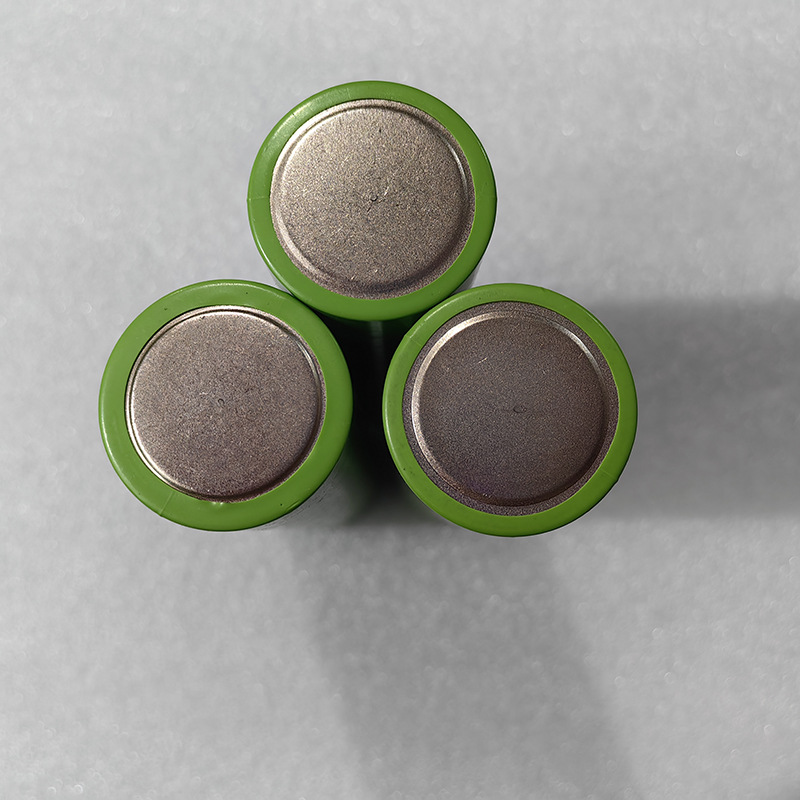
2026 LFP Cylindrical Battery Supplier: Fix Perfect Cell Matching in Electric Motorcycle Using 18650 Cells vs Competitors
As we navigate through 2026, the electric motorcycle (e-moto) sector continues to experience unprecedented growth. Driven by stricter emission regulations and the global push for sustainable urban mobility, manufacturers are increasingly turning to Lithium Iron Phosphate (LFP) chemistry for its inherent safety and long cycle life. Among the various form factors, the 18650 cylindrical cell remains a cornerstone for modular battery packs due to its mechanical robustness and mature supply chain. However, the difference between a reliable battery pack and a field failure often boils down to one critical manufacturing parameter: cell matching.
For B2B procurement managers and engineering teams, understanding the nuances of cell matching is no longer optional—it is a prerequisite for product longevity and brand reputation. This article dissects the technical requirements for perfect cell matching in 2026, compares supplier capabilities, and outlines key procurement strategies.
The Technical Imperative: Why Cell Matching Matters
In a series-parallel (S-P) configuration typical of e-motorcycles, the pack is only as strong as its weakest cell. When 18650 LFP cells are grouped without precise matching, inconsistencies in voltage, capacity, and internal resistance (IR) lead to uneven current distribution.
- Capacity Matching: If cells with different capacities are connected in series, the lower-capacity cell will reach its voltage limit faster during charging and discharging. This triggers the Battery Management System (BMS) to cut off power prematurely, reducing usable range, or worse, leads to overcharging of the weaker cell, causing thermal instability.
- Internal Resistance (IR) Matching: Variations in IR cause uneven heat generation. A cell with higher resistance heats up faster, accelerating degradation and creating a thermal runaway risk within the pack. In 2026, top-tier suppliers aim for an IR delta of less than 5mΩ within a group.
- Voltage Matching: Pre-assembly voltage sorting ensures that all cells start at the same state of charge (SOC), minimizing initial stress on the BMS.
Competitors often cut costs by skipping rigorous grading processes, sourcing “B-grade” or unsorted cells. While the upfront price per watt-hour may be lower, the total cost of ownership increases due to warranty claims and safety recalls.
Supplier Comparison: Standard vs. Premium Grading
Not all battery manufacturers in China operate with the same quality control protocols. In the current market, a clear divide exists between commodity suppliers and technical partners.
- Commodity Suppliers: Typically perform basic voltage sorting only. They often lack the equipment to test dynamic internal resistance under load. Their cells may meet nominal specifications but fail under the high-vibration and high-discharge conditions of an electric motorcycle.
- Premium Partners (e.g., CNS Battery): Implement multi-stage grading. This includes OCV (Open Circuit Voltage) tracking over 7-14 days to identify self-discharge anomalies, capacity testing at specific C-rates (e.g., 1C/3C), and AC/DC internal resistance measurement.
For e-motorcycle applications, where vibration and temperature fluctuations are common, the mechanical integrity of the 18650 cell is also vital. Premium suppliers ensure the steel casing and weld points meet automotive-grade standards, reducing the risk of connection failures during operation. You can explore specific technical specifications for high-consistency cells at our cylindrical battery cell product page.
Compliance and Procurement Checklist for 2026
When sourcing LFP 18650 cells for export markets, compliance is non-negotiable. Regulatory landscapes in Europe and North America have tightened significantly. Procurement teams must verify the following before signing a contract:
- UN38.3 Certification: Essential for air and sea freight. Ensure the test report covers the specific cell model, not just a generic family.
- IEC 62133 & CE Marking: Critical for European market access. This certifies safety regarding electrical, mechanical, and chemical risks.
- Traceability: Each batch should have a unique QR code or laser mark linking to production data. This is vital for recalls or quality audits.
- Cycle Life Data: Request real-world cycle life reports at 80% Depth of Discharge (DOD). In 2026, a standard LFP 18650 should deliver a minimum of 2,000 cycles while retaining 80% capacity.
Case Study: Solving Voltage Drift in Fleet Operations
A recent project involving a European e-scooter fleet highlighted the importance of matching. The client initially sourced cells from a low-cost vendor. Within six months, 15% of the packs exhibited significant voltage drift, leading to BMS errors and reduced range.
After switching to a strictly matched LFP 18650 supply chain, the variance in pack voltage after 500 cycles dropped by 90%. The key was enforcing a tighter capacity tolerance (±50mAh instead of ±150mAh) and ensuring consistent IR matching. This switch eliminated warranty claims and improved customer satisfaction scores. For manufacturers facing similar integration challenges, our engineering team is available to discuss custom matching protocols. Reach out via our contact page for technical consultation.
Conclusion: Strategic Sourcing for Long-Term Success
In the competitive landscape of 2026, the battery cell is not just a component; it is the heart of the electric motorcycle. Opting for the cheapest supplier often results in higher long-term costs due to performance degradation and safety risks.
By prioritizing perfect cell matching—focusing on capacity, internal resistance, and voltage consistency—manufacturers can ensure their products deliver on the promise of safety and durability. Partnering with a supplier who transparently shares testing data and adheres to global compliance standards is the most effective strategy for mitigating risk.
As the industry evolves, the demand for high-quality LFP cylindrical cells will only intensify. Make the informed choice for your next production run. Verify your supplier’s grading capabilities, demand compliance documentation, and prioritize technical consistency over marginal price savings. Your brand’s reputation depends on the reliability of every cell in the pack.