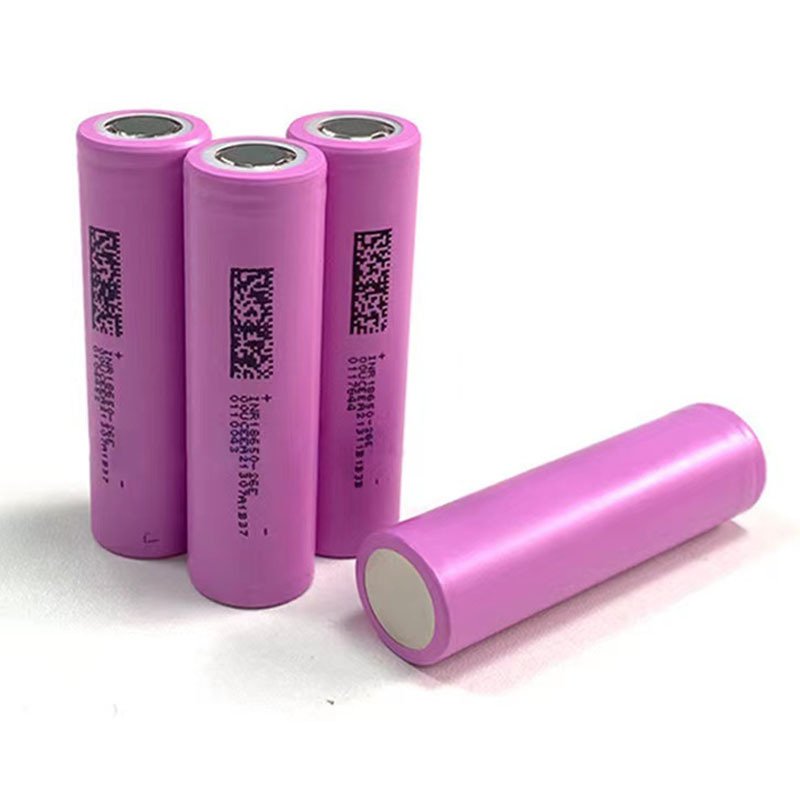
Top 5 High Energy Density Problems with 60110 Cells in ESS Applications & Complete Solutions
The rapid expansion of energy storage systems (ESS) has positioned cylindrical battery cells, particularly the 60110 format, as a critical component in modern energy infrastructure. As lithium battery professionals, we recognize that maximizing energy density while maintaining safety and longevity presents significant engineering challenges. This article examines the top five high energy density problems encountered with 60110 cells in ESS applications and provides comprehensive, actionable solutions for B2B stakeholders.
1. Thermal Management Complexity
Problem: High energy density 60110 cells generate substantial heat during charge-discharge cycles. Inadequate thermal management accelerates degradation and increases thermal runaway risk, particularly in large-scale ESS installations where cell packing density is maximized.
Solution: Implement advanced liquid cooling systems with precision temperature monitoring. Deploy phase-change materials (PCM) between cell modules to absorb heat spikes. Our cylindrical battery cell solutions integrate optimized thermal interface designs that maintain operating temperatures within 15-35°C, extending cycle life by up to 40%.
2. Cell-to-Cell Consistency Variations
Problem: Energy density optimization requires tight voltage and capacity matching across thousands of cells. Manufacturing tolerances create inconsistencies that reduce pack-level performance and accelerate capacity fade in mismatched cells.
Solution: Employ rigorous cell grading protocols with ≤1% capacity variance tolerance. Integrate active balancing BMS architectures that redistribute energy between cells during operation. Partner with established battery manufacturers in China that maintain ISO-certified production lines with automated quality control systems ensuring consistent electrochemical performance across production batches.
3. Voltage Sag Under High Power Demand
Problem: High energy density configurations experience significant voltage depression during peak power discharge, reducing system efficiency and triggering premature low-voltage cutoffs in ESS applications requiring sustained high-current output.
Solution: Optimize electrode architecture with enhanced conductivity additives and reduced internal resistance designs. Implement hybrid configurations combining 60110 cells with supplementary high-power cells for peak shaving. Advanced BMS algorithms predict voltage trajectories and dynamically adjust discharge rates to maintain stable output throughout the discharge curve.
4. State of Charge (SOC) Estimation Accuracy
Problem: Energy density maximization pushes cells closer to operational limits, making accurate SOC estimation critical. Traditional Coulomb counting methods accumulate errors over time, leading to overcharge or overdischarge conditions that compromise safety and longevity.
Solution: Deploy machine learning-enhanced BMS platforms that combine voltage, current, temperature, and impedance data for multi-parameter SOC estimation. Implement regular calibration cycles using open-circuit voltage (OCV) reference points. Our integrated systems achieve ≤2% SOC estimation error across 0-100% range, ensuring optimal utilization without safety compromise.
5. Long-Term Degradation at High Energy Density
Problem: Operating 60110 cells at maximum energy density accelerates SEI layer growth, lithium plating, and electrode structural degradation. This manifests as capacity fade and increased internal resistance, reducing ESS economic viability over the project lifetime.
Solution: Apply optimized charging protocols limiting upper voltage to 3.65V for LFP chemistry variants. Implement temperature-controlled charging that reduces current at extreme temperatures. Utilize electrolyte additives that stabilize SEI formation. Regular contact our technical team for customized degradation modeling based on your specific duty cycle, enabling predictive maintenance and warranty optimization.
Integrated Solution Framework
Addressing these five challenges requires a holistic approach combining cell-level optimization, pack-level engineering, and system-level intelligence. Key implementation priorities include:
- Thermal Design: Minimum 3mm cooling channel spacing between cell modules
- BMS Architecture: Distributed topology with cell-level monitoring every 12-24 cells
- Quality Standards: IEC 62619 and UL 1973 certification for all ESS deployments
- Warranty Support: 10-year performance guarantees with annual capacity retention ≥90%
Conclusion
The 60110 cylindrical cell format offers compelling advantages for ESS applications when engineered with comprehensive problem mitigation strategies. By addressing thermal management, consistency, voltage stability, SOC accuracy, and degradation through integrated solutions, B2B customers can maximize energy density while maintaining safety and economic viability. Partner with experienced manufacturers who provide end-to-end technical support from cell selection through system commissioning and lifecycle management.
For detailed technical specifications and customized ESS solutions, explore our product portfolio and connect with our engineering team to optimize your energy storage deployment for maximum performance and return on investment.