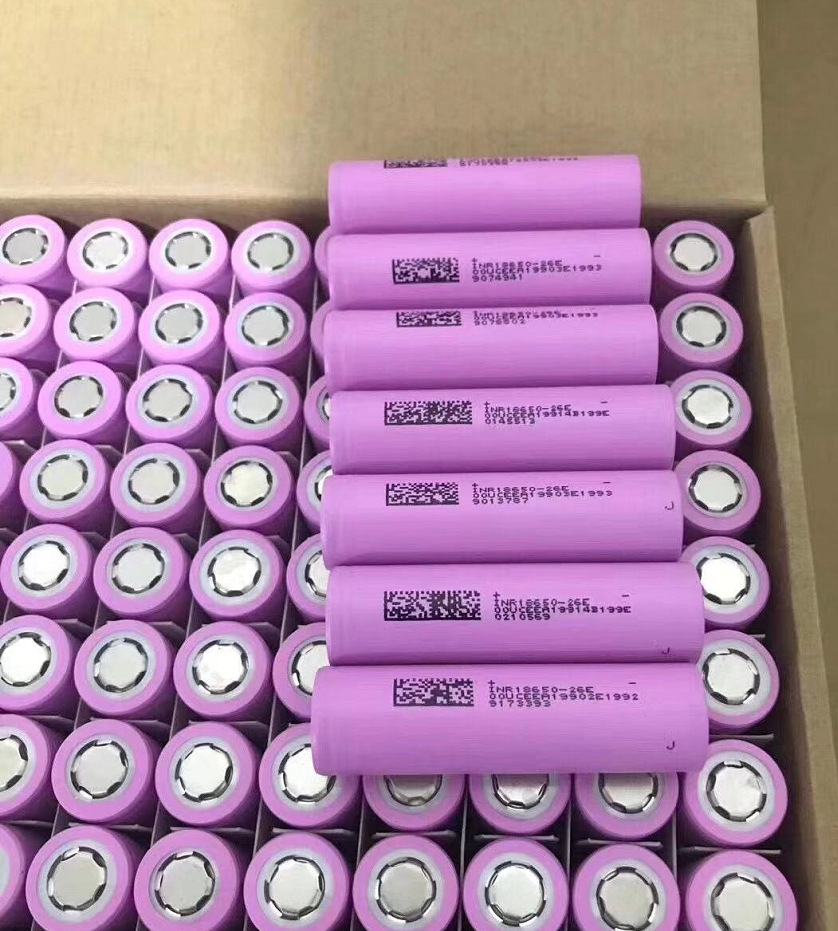
Thermal Runaway Prevention 18650 LFP Cells for E-bike – Factory Direct
Introduction
The rapid expansion of the global e-bike market has intensified scrutiny on battery safety, particularly concerning thermal runaway incidents. As lithium-ion battery technology evolves, 18650 LFP (Lithium Iron Phosphate) cells have emerged as the preferred choice for e-bike manufacturers seeking optimal balance between safety, longevity, and cost-effectiveness. This article examines critical thermal runaway prevention mechanisms in 18650 LFP cells, offering technical insights for engineers and procurement specialists evaluating factory-direct sourcing options from China.
Understanding Thermal Runaway in 18650 LFP Cells
Thermal runaway represents a catastrophic failure mode where battery temperature escalates uncontrollably, potentially leading to fire or explosion. Research indicates that LFP chemistry demonstrates superior thermal stability compared to NMC (Nickel Manganese Cobalt) alternatives. Studies show LFP cells trigger thermal decomposition at approximately 195°C, whereas NMC counterparts reach critical thresholds at 363°C with significantly higher decomposition enthalpy.
The fundamental advantage lies in the olivine crystal structure of lithium iron phosphate cathodes, which maintains structural integrity under elevated temperatures. This inherent stability reduces the probability of oxygen release—a primary catalyst for thermal propagation in conventional lithium-ion systems.
Key Prevention Technologies
1. Advanced Battery Management Systems (BMS)
Modern BMS implementations incorporate real-time temperature monitoring across individual cell groups. The 2025-2026 technology upgrades feature intelligent algorithms capable of predicting thermal anomalies before critical thresholds are reached. Key functions include:
- Cell voltage balancing to prevent overcharging-induced heating
- Thermal gradient detection identifying localized hot spots
- Dynamic current limiting based on temperature feedback
- Isolation protocols disconnecting compromised cells from the pack
Leading manufacturers now integrate active equalization technology ensuring uniform charge distribution, significantly reducing thermal stress during high-load e-bike operations.
2. Structural Safety Enhancements
Factory-direct 18650 LFP cells incorporate multiple physical safeguards:
Ceramic-Coated Separators: High-temperature resistant coatings maintain dimensional stability up to 200°C, preventing internal short circuits when conventional polyethylene separators would melt.
Pressure Relief Vents: Engineered venting mechanisms release internal gas buildup before casing rupture, directing thermal energy away from adjacent cells.
Thermal Barrier Materials: Phase-change materials and aerogel insulation between cells limit heat propagation, containing potential incidents to single-cell level.
3. Manufacturing Quality Control
Consistent cell performance requires stringent production standards. Reputable Chinese battery manufacturers implement:
- Automated electrode coating ensuring uniform active material distribution
- In-line defect detection using X-ray and thermal imaging
- Formation cycling protocols verifying cell stability before shipment
- Traceability systems tracking each cell through production batches
E-bike Application Considerations
E-bike battery packs face unique operational challenges including vibration exposure, variable ambient temperatures, and irregular charging patterns. 18650 cylindrical format offers mechanical advantages over pouch or prismatic cells, with steel casings providing superior structural resilience.
Procurement specialists should evaluate:
- Cycle life specifications (typically 2000-3000 cycles for quality LFP cells)
- Continuous discharge ratings matching motor power requirements
- Operating temperature ranges suitable for regional climate conditions
- Certification compliance (UN38.3, IEC62133, UL standards)
Factory-Direct Sourcing Advantages
Partnering directly with established Chinese battery manufacturers delivers significant benefits:
Cost Efficiency: Eliminating intermediary margins reduces per-cell costs by 25-35% compared to distributor channels.
Technical Support: Direct engineering collaboration enables custom pack configurations and BMS integration assistance.
Quality Assurance: Factory audits and production transparency ensure consistent cell performance across orders.
Supply Chain Reliability: Established manufacturers maintain raw material reserves and diversified production capacity.
For comprehensive product specifications on cylindrical battery cells, visit Cylindrical Battery Cell Products.
Regulatory Compliance and Certification
The 2025 implementation of updated E-bike Safety Standards (GB 17761-2024) in China and corresponding international regulations require rigorous testing documentation. Factory-direct suppliers should provide:
- Third-party test reports from accredited laboratories
- Material safety data sheets (MSDS) for all components
- Transportation certifications for international shipping compliance
- Warranty terms covering performance degradation and safety incidents
Technical Selection Criteria
When evaluating 18650 LFP cells for e-bike applications, engineers should prioritize:
| Parameter | Recommended Specification |
|---|---|
| Nominal Capacity | 2500-3500 mAh |
| Continuous Discharge | 10-20A |
| Internal Resistance | <50 mΩ |
| Operating Temperature | -20°C to 60°C |
| Cycle Life | ≥2000 cycles @80% DOD |
Conclusion
Thermal runaway prevention in 18650 LFP cells combines inherent chemical stability with engineered safety systems. For e-bike manufacturers seeking reliable battery solutions, factory-direct partnerships with qualified Chinese suppliers offer optimal balance of safety, performance, and cost efficiency. The integration of advanced BMS technology, structural safeguards, and stringent quality control establishes comprehensive protection against thermal incidents.
Technical teams evaluating battery sourcing options should conduct thorough supplier assessments, request sample testing, and verify certification documentation before commitment. For detailed manufacturer information and partnership inquiries, contact Battery Manufacturers in China or reach out directly through Contact Page.
The transition toward LFP chemistry in e-bike applications represents not merely a cost optimization strategy, but a fundamental safety enhancement aligning with evolving regulatory requirements and consumer expectations for reliable personal transportation solutions.