2026 LFP Cylindrical Battery Supplier: Fix High Discharge Rate in Power Tools Using 18650 Cells Wholesale Supplier from China
The power tool industry continues to evolve rapidly in 2026, with increasing demands for battery solutions that can sustain high discharge rates without compromising safety or longevity. For engineers and technical procurement specialists seeking reliable lithium iron phosphate (LFP) cylindrical battery cells, particularly 18650 format, understanding the technical fundamentals and sourcing from qualified Chinese manufacturers has become critical. This article addresses the core challenges of high discharge applications and provides actionable insights for selecting the right wholesale supplier.
Understanding LFP 18650 Cell Architecture for High-Drain Applications
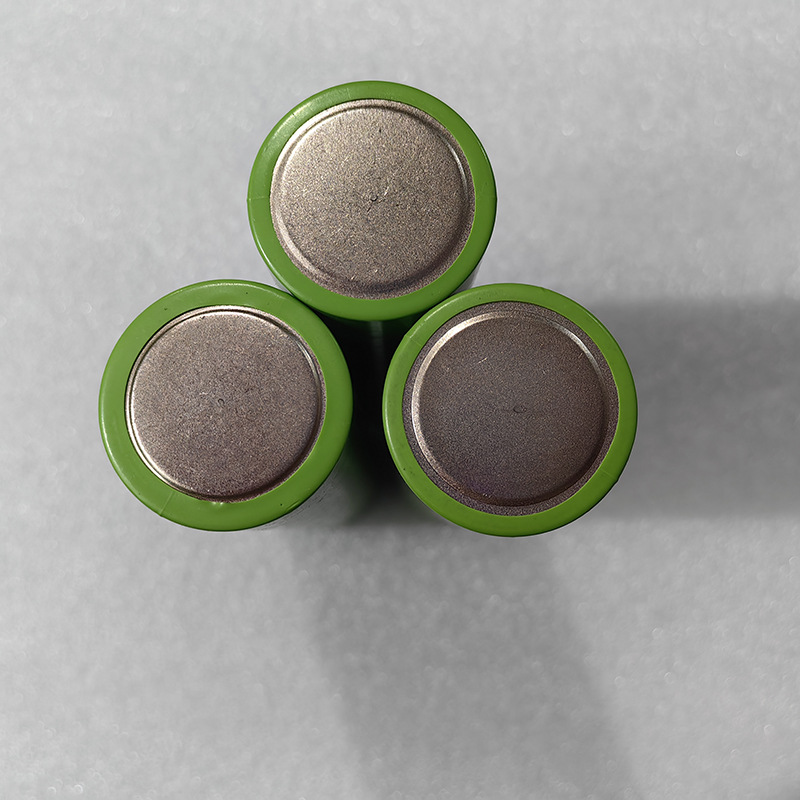
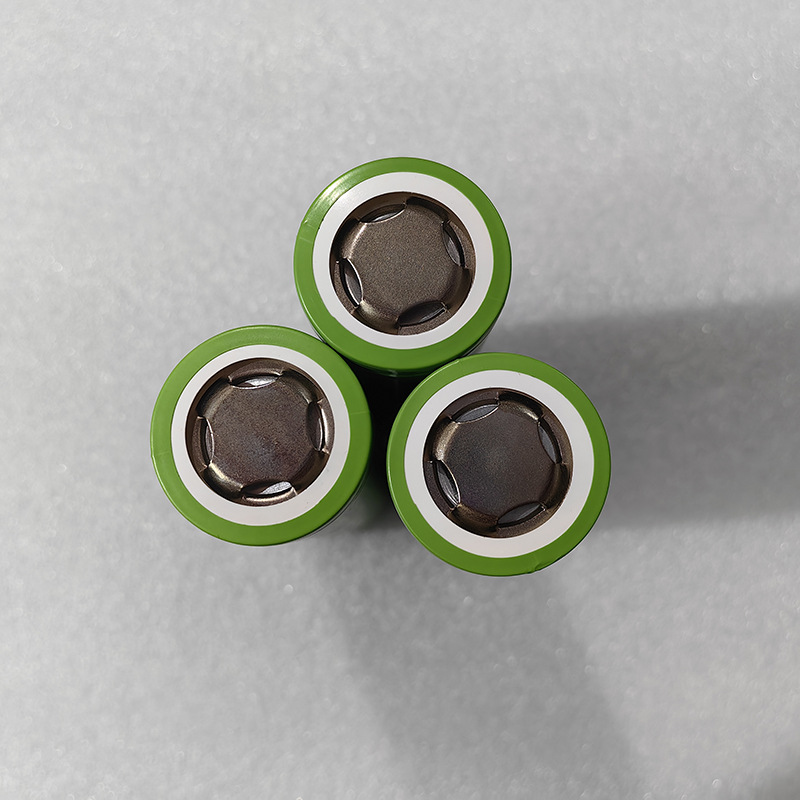
Lithium iron phosphate chemistry has gained significant traction in power tool applications due to its inherent thermal stability and extended cycle life compared to traditional NCM (Nickel Cobalt Manganese) alternatives. The 18650 cylindrical form factor, measuring 18mm in diameter and 65mm in length, remains the industry standard for portable power tools due to its optimal balance between energy density and heat dissipation characteristics.
The fundamental advantage of LFP chemistry lies in its olivine crystal structure, which provides superior structural stability during lithium ion intercalation and de-intercalation. This translates to reduced thermal runaway risk—a critical consideration when batteries experience continuous discharge currents exceeding 10C rates in professional-grade power tools. However, traditional LFP cells historically struggled with high discharge capabilities due to lower electronic conductivity compared to cobalt-based chemistries.
Key Technical Parameters for High Discharge Rate Performance
When evaluating 18650 LFP cells for power tool applications, several technical parameters require careful consideration:
Continuous Discharge Current Rating: Professional power tools typically require cells capable of sustaining 15A to 30A continuous discharge without significant voltage sag. Advanced LFP formulations in 2026 now achieve 10C to 15C continuous discharge rates, making them viable for demanding applications such as cordless drills, impact drivers, and angle grinders.
Internal Resistance (AC-IR): Lower internal resistance directly correlates with reduced heat generation during high-current operation. Quality 18650 LFP cells should demonstrate AC-IR values below 35mΩ to minimize energy loss and thermal buildup during sustained operation.
Cycle Life at High C-Rates: While LFP chemistry inherently offers 2000+ cycle life at 1C discharge rates, high discharge applications require validation of cycle performance at elevated C-rates. Leading manufacturers now guarantee 1500+ cycles even at 5C continuous discharge conditions.
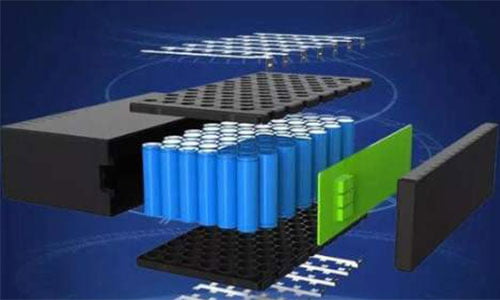
Thermal Management Characteristics: The cylindrical form factor provides superior surface-area-to-volume ratio compared to prismatic cells, facilitating more efficient heat dissipation. This becomes crucial when battery packs experience simultaneous discharge from multiple cells in series-parallel configurations.
Sourcing from Qualified Chinese Manufacturers
China has established itself as the global hub for lithium battery manufacturing, offering competitive pricing without compromising quality when working with certified suppliers. However, the market contains significant variation in manufacturing standards and quality control processes.
Technical procurement teams should prioritize manufacturers with established track records in high-discharge cell production. Key verification points include UL, CE, and RoHS certifications, along with documented testing protocols for high-current applications. Reputable manufacturers maintain comprehensive quality management systems and provide detailed specification sheets with verified performance data.
For engineers seeking reliable LFP 18650 cylindrical battery cells, exploring established product portfolios from verified manufacturers is essential. You can review available cylindrical battery cell options to understand current specifications and performance characteristics matching your power tool requirements.
Integration Considerations for Power Tool Battery Packs
Successful implementation of 18650 LFP cells in power tool applications extends beyond cell selection. Battery pack design must account for several critical factors:
Cell Matching and Sorting: Consistency in capacity, internal resistance, and voltage across all cells within a pack prevents imbalanced discharge and premature failure. Professional manufacturers employ automated sorting equipment to ensure cell matching within 2% capacity variance.
BMS (Battery Management System) Configuration: High-discharge applications require BMS systems capable of handling peak currents while providing accurate state-of-charge estimation. The BMS must incorporate robust over-current, over-temperature, and short-circuit protection mechanisms.
Thermal Design: Adequate spacing between cells and integration of thermal interface materials ensures heat generated during high-discharge operation dissipates efficiently. Poor thermal management accelerates degradation and reduces overall pack lifespan.
Wholesale Procurement Best Practices
When engaging with Chinese battery suppliers for wholesale procurement, technical teams should establish clear communication channels regarding specifications, testing requirements, and quality assurance protocols. Request sample cells for independent validation before committing to large-volume orders.
Documentation should include detailed test reports demonstrating performance under conditions matching your application’s discharge profiles. Reputable suppliers maintain transparent communication and provide technical support throughout the procurement and integration process.
For comprehensive information about working with battery manufacturers in China, technical procurement specialists can reference resources on battery manufacturers in China to understand industry standards and verification processes.
Conclusion
The 2026 landscape for LFP 18650 cylindrical battery cells offers significant opportunities for power tool manufacturers seeking safe, durable, and high-performance energy solutions. Success depends on understanding technical requirements, selecting qualified suppliers, and implementing proper integration practices. By prioritizing verified manufacturers with proven high-discharge cell capabilities, engineering teams can deliver power tools that meet professional user expectations while maintaining competitive cost structures.
For direct communication with qualified suppliers regarding specific technical requirements and wholesale pricing, visit the contact page to initiate discussions with experienced battery solution providers.